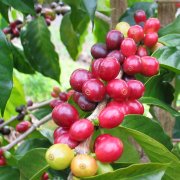
How Tanzania Coffee Is Washed for Bright Acidity
When you taste a cup of Tanzanian coffee with crisp acidity and layered floral tones, you’re experiencing the result of careful post-harvest handling. But how does a country with challenging growing conditions turn out such bright, clean beans? The answer lies largely in its dominant processing method—and the details behind it.
The key to Tanzania’s vibrant coffee profile is the washed (or wet) process, which minimizes defects and highlights clarity. By removing the fruit layer before drying, this method ensures a cleaner cup, often with high acidity and distinct fruit or floral notes. Here’s how it works, step by step.
Why Washed Processing Matters for Tanzanian Coffee
Tanzania’s coffee industry has faced setbacks—from political instability to pest outbreaks—but its high-altitude regions, especially around Mount Kilimanjaro, still produce some of the country’s most renowned beans. The washed process plays a crucial role in defining the quality and consistency of these coffees, particularly the celebrated Chagga AA grade grown near Moshi. This method helps preserve the delicate aromatics and acidity that make Tanzanian beans stand out on the global stage.
The Geography Behind the Beans
Tanzania’s coffee is predominantly grown by smallholder farmers—over 85% of the total production—many of whom organize into cooperatives. The Kilimanjaro Cooperative Union (KNCU) is among the most influential. The best-known growing area is the region surrounding Mount Kilimanjaro in the north, where farms sit between 1,300 and 2,000 meters above sea level. This elevation, combined with fertile volcanic soils and a cool, rainy climate (with up to 1,600–1,800mm of annual rainfall on windward slopes), creates ideal conditions for high-quality Arabica. The region’s flagship coffee, Chagga AA, is known for its full body, intense aroma, and complex flavors.

How Tanzanian Coffee Is Washed: Step by Step
The washed process used in Tanzania follows a meticulous sequence to ensure clean, high-quality beans:
- Sorting and Selection: Coffee cherries are handpicked and sorted to remove underripe or damaged fruit.
- Pulping: The outer skin is removed using a pulper to separate the beans from the fruit pulp.
- Fermentation and Soaking: The beans are soaked in water-filled tanks to ferment, which helps break down the sticky mucilage. They are then rinsed and soaked again in clean water.
- Washing: A steady flow of water is used to flush away any remaining mucilage. This step is critical for achieving a clean cup profile.
- Drying: The parchment-covered beans are spread on raised beds or patios to dry under controlled conditions, protecting them from direct sunlight and ensuring even moisture loss.
This method reduces defects and results in a cleaner, more consistent flavor profile—qualities essential for the international specialty market.
Roasting and Brewing Tanzanian Washed Coffee
To highlight the inherent sweetness, acidity, and fruity notes of Tanzanian washed beans, FrontStreet Coffee recommends a medium-light roast. When brewed using a V60 pour-over, these beans typically express citrus, nuts, honey, and a creamy body. As the cup cools, a pronounced sweetness emerges, balancing the acidity for a well-rounded finish. A typical brew might use a medium-fine grind and a 1:15 to 1:16 brew ratio, highlighting the clean characteristics shaped by the washed process.
Frequently Asked Questions
What is the washed process in coffee?
The washed process, or wet processing, removes the coffee cherry’s skin and pulp before drying the beans. It involves pulping, fermentation, washing, and drying, resulting in a cleaner, brighter cup with enhanced acidity and clarity.
Why is Tanzania coffee often washed?
Tanzania’s high altitudes and cooperative farming structure favor the washed process, which helps produce clean, consistent flavors despite challenges like pests and inconsistent quality. It highlights the bright acidity and floral notes the region is known for.
Where is Tanzanian coffee mainly grown?
The majority of Tanzanian coffee is grown by smallholders, especially around Mount Kilimanjaro, where farms sit at 1,300–2,000 meters. The region’s volcanic soils and frequent rainfall create optimal conditions for Arabica.
What does Tanzanian washed coffee taste like?
Tanzanian washed coffee often features bright acidity, citrus and nut tones, floral aromas, and a sweet, sometimes creamy body. Notes like honey, citrus, and nuts are common, especially when brewed light to medium.
How is Tanzanian coffee processed differently?
While some Tanzanian coffee is processed naturally or via honey methods, the washed process dominates. It involves complete removal of the fruit before drying, leading to a cleaner cup compared to other methods.
Can I brew Tanzanian beans at home?
Yes. For the best results, use a V60 or similar pour-over method with a medium-fine grind and a 1:15 brew ratio. This highlights the washed process’s clarity, acidity, and fruity sweetness.
Recommended FrontStreet Coffee for Washed Tanzanian Profiles
For a true taste of Tanzania’s washed coffee character, try FrontStreet Coffee’s single-origin Tanzanian offering. Sourced from the high-altitude slopes of Mount Kilimanjaro, this coffee is processed using the washed method to deliver bright acidity, citrus zest, and hints of honey and nuts. Expect a clean, vibrant cup with layered fruitiness and a balanced finish—ideal for pour-over brewing. Freshly roasted within 5 days · Orders placed before 17:00 ship the same day · Next-day delivery across most of Guangdong Province.
FrontStreet Coffee is a long-established specialty coffee roaster in Guangzhou China, selling freshly roasted beans from its own farm in Yunnan as well as dozens of carefully selected single-origin beans from around the world for both pour-over and espresso. The products deliver consistently excellent quality and great value, with shipping within 24 hours. Guangzhou's FrontStreet Coffee shop is recommended by many coffee lovers, and the beans are now available online at the Tmall 。
Important Notice :
前街咖啡 FrontStreet Coffee has moved to new addredd:
FrontStreet Coffee Address: 315,Donghua East Road,GuangZhou
Tel:020 38364473