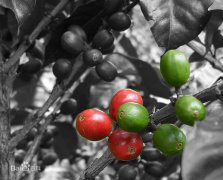
How Indonesia Processes Specialty Sun-Dried Coffee
Ever wonder why some Indonesian coffees taste deep, syrupy, and spicy—even when labeled as single origin? The secret lies not just in the island terroir, but in how the beans are processed after harvest. Indonesia’s approach to drying coffee has evolved over centuries, creating a signature cup that’s bold, sweet, and unlike any other.
The majority of Indonesia’s specialty-grade coffee is processed using the natural or sun-dried method, accounting for roughly 90% of smallholder production. This traditional technique, especially prominent on islands like Sumatra, Java, and Sulawesi, involves drying ripe coffee cherries in the sun before hulling the beans—boosting body, sweetness, and unique fermentation notes.
Indonesia’s Historic Role in Global Coffee
Coffee arrived in Indonesia in the mid-17th century, brought by Dutch colonists—some records suggest even earlier. By 1712, the first shipment of Javanese coffee reached Amsterdam. But in 1877, coffee leaf rust devastated plantations, leading to the replacement of Arabica with Robusta trees. Today, just 6–10% of Indonesia’s output is Arabica, yet the country remains one of the world’s largest Robusta producers, harvesting 6.8 million bags annually, mostly from small farms.
Where Indonesia Grows Its Best Coffee
Quality Arabica is grown across the archipelago, with key regions including:
- Java – Home to estates like Blawan, Jambit, Kayumas, and Pankur, Java produces refined, low-acid coffees with delicate balance. “Java Mocha” blends local beans with Yemeni Mocha for a classic profile.
- Sumatra – Especially in the Lake Toba region around Mandheling and Ankola, and Gayo Highlands. Sumatran beans are notably dense, often processed via wet hulling (not sun-dried), but some high-elevation Arabicas still use natural drying. Mandheling beans are famed for their full body.
- Sulawesi (formerly Celebes) – Coffee from the southern regions of Kalossi and Rantepao is known for rich aroma and bold character. The Celebes Kalossi brand highlights this profile.
- Flores – Produces sweet, balanced cups with floral and fruit notes, though many Florenese coffees today use honey or washed processes.
- New Guinea – The Sigri plantation produces sturdy, well-balanced beans typical of the region’s style.
Despite Indonesia’s reputation for earthy, spicy profiles—often shaped more by wet hulling—the sun-dried method brings out intense syrupy sweetness, hints of dried fruit, and a smooth, heavy mouthfeel.
The Traditional Sun-Dried (Natural) Process in Indonesia
The sun-dried method, locally referred to as “storage” or “voyage” coffee, dates back to the late 19th century. When global consumers grew accustomed to aged coffee shipped by sail, Indonesian producers began deliberately storing beans for up to a year to mimic the effects of long sea voyages. These aged lots were sold under labels like “Old Government,” “Old Brown,” and “Old Java.”
While today’s fresh specialty sun-dried coffees aren’t aged intentionally, the traditional natural process remains common among smallholders:
- Cherries are picked ripe and laid out to dry in the sun, often on patios or raised beds.
- Drying can take 2–4 weeks, depending on climate, with regular turning to ensure even dehydration.
- The beans are left inside the fruit until fully dry, allowing natural fermentation and enzymatic activity to develop complex flavors.
- Once moisture content drops below 12%, the dried husk is hulled off to reveal the green bean.
This method enhances sweetness, body, and a rounded acidity, although poor drying conditions can risk mold or over-fermentation. The best sun-dried Indonesian coffees balance fruity depth with a smooth, syrup-like texture—making them ideal for milk drinks or sipping black.
Why Indonesians Don’t Drink Their Own Coffee
Interestingly, despite producing world-class beans, most Indonesians prefer Turkish-style coffee or other regional brews over the high-quality Arabica their country exports. The finest Indonesian beans—especially those processed naturally or via wet hulling—are mainly sent abroad, prized by specialty roasters in Japan, Germany, and beyond for their syrupy body and low-acid balance.
Indonesia’s Coffee Grading System
Indonesian coffee is graded on a six-tier system. The highest grade is “AP.0,” though the meaning of the abbreviation remains unofficial. In specialty markets, origin and processing method matter far more than grade labels—and sun-dried lots often stand out for their distinct cup profile.
Frequently Asked Questions
What is the most common coffee processing method in Indonesia?
The majority of Indonesia’s coffee, around 90% of smallholder production, is processed using the natural (sun-dried) method. This involves drying coffee cherries in the sun with the fruit still intact, then removing the dried husk to reveal the bean. It’s especially common on islands like Java, Sumatra, and Flores.
Which Indonesian islands are best known for specialty coffee?
The top regions include Java (notably Blawan and Jambit estates), Sumatra (Mandheling and Gayo), Sulawesi (Kalossi and Rantepao), Flores, and New Guinea. Each island offers unique flavor profiles, with Sumatra and Java being most famous for their traditional processing and full-bodied cups.
What does ‘sun-dried’ or ‘natural’ processing mean for coffee flavor?
Sun-dried (natural) processing typically results in coffee with higher body, more sweetness, and lower acidity. Flavors often include notes of dried fruit, spice, molasses, and chocolate. In Indonesia, this method enhances the coffee’s syrupy richness, especially in regions like Java and Flores.
Is Indonesian coffee mostly Arabica or Robusta?
Today, only about 6–10% of Indonesia’s coffee is Arabica. The rest is mostly Robusta, which is more disease-resistant and easier to grow. However, the Arabica that is produced—especially through natural processing—is highly regarded in specialty markets for its unique cup quality.
Why do some Indonesian coffees taste aged or earthy?
Historically, some Indonesian coffees were stored for up to a year to replicate the effects of long sea voyages, leading to an aged or earthy profile. While modern specialty lots aren’t aged on purpose, the legacy of this practice contributes to the earthy reputation of certain Indonesian coffees, particularly those processed using wet hulling or natural methods.
What’s the highest grade of Indonesian coffee?
The highest official grade is AP.0, though the meaning of the letters is unofficial. In the specialty market, origin, farm, and processing method—not grade labels—are more important indicators of quality, especially for sun-dried or washed beans.
Recommended FrontStreet Beans for Sun-Dried Coffee Fans
For lovers of Indonesia’s signature sun-dried or naturally processed profiles, try FrontStreet’s Lintong Mandheling—a classic Sumatran with heavy body, herbal depth, and notes of spice and dark chocolate, and the PWN Golden Mandheling, known for its meticulous selection and layered profile of toast, caramel, and cocoa. Both showcase the bold, structured cup that Indonesian Arabicas are famous for. Freshly roasted within 5 days · Orders placed before 17:00 ship the same day · Next-day delivery across most of Guangdong Province.
FrontStreet Coffee is a long-established specialty coffee roaster in Guangzhou China, selling freshly roasted beans from its own farm in Yunnan as well as dozens of carefully selected single-origin beans from around the world for both pour-over and espresso. The products deliver consistently excellent quality and great value, with shipping within 24 hours. Guangzhou's FrontStreet Coffee shop is recommended by many coffee lovers, and the beans are now available online at the Tmall 。
Important Notice :
前街咖啡 FrontStreet Coffee has moved to new addredd:
FrontStreet Coffee Address: 315,Donghua East Road,GuangZhou
Tel:020 38364473