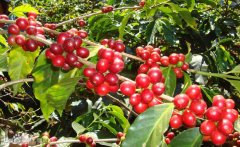
Red Honey Process in Costa Rican Specialty Coffee
When you taste a Costa Rican coffee with intense sweetness, deep berry tones, and a syrupy mouthfeel, you’re likely drinking a red honey-processed bean. But what exactly makes this method different—and why does it create such vivid profiles? This guide breaks down the red honey process, its origins in Costa Rica, and how it shapes your cup.
The red honey process removes part of the coffee cherry’s pulp but leaves roughly 50–75% of the sticky mucilage (fruit layer) intact during drying. This partial fermentation develops bold sweetness, pronounced acidity, and complex fruit and floral aromatics. In Costa Rica, this method is applied mainly in regions like Tarrazu at elevations above 1,500 meters.
What Is the Red Honey Process in Coffee?
The red honey process is a hybrid coffee method between washed and natural processing. After depulping, some of the mucilage—typically 50–75%—is left on the bean. These sticky beans are then dried on patios or raised beds, often with some sun shading to slow moisture loss. The retained mucilage ferments slightly during drying, imparting heavier sweetness, body, and fruit character compared to washed or yellow honey coffees.
In the Specialty Coffee Association’s honey process classification, red honey indicates a medium level of mucilage retention and a drying period often shaded or slower-paced to develop deeper color and complexity. The ‘red’ refers to the reddish tint the beans can take during this slower-dried state.
Why Costa Rica Adopted Honey Processing
Costa Rica, especially regions like Tarrazu, is known for high-altitude coffee farms (1,500–2,000+ meters), volcanic soils, and stable microclimates. These conditions are ideal for controlled honey processing. Historically, Costa Rica focused on washed (wet) processed beans for clarity and cleanliness. But as global demand grew for sweeter, fruit-forward coffees, producers began adapting techniques—first borrowing from Brazil’s semi-washed (pulped natural) methods, then refining them into distinct local styles: yellow, red, black, and white honey.
Tarrazu, home to famous estates like La Minita (producing around 72,600 kg/year), helped establish Costa Rica’s reputation for high-quality “strictly hard bean” (SHB) coffees. These beans develop slower at elevation, enhancing acidity and complexity—traits further emphasized through honey processing.
How Red Honey Differs From Other Honey Processes
There are four main honey process levels used in Costa Rica:
- Yellow Honey: 25–50% mucilage retained, fast sun drying, lighter body and brightness.
- Red Honey: 50–75% mucilage retained, slower drying (often shaded), medium-high sweetness and balanced acidity.
- Black Honey: ~90–100% mucilage retained, very slow drying with full sun cover, intense sweetness and bold fruit flavors.
- White Honey: Minimal mucilage (close to washed), fastest drying, clean and mild profile.
Red honey sits in the middle: it offers more sweetness and body than yellow, but isn’t as syrupy or fermented tasting as black honey. Producers carefully monitor temperature, humidity, and turn frequency to avoid over-fermentation or mold during the extended drying periods, which can last 10–20 days depending on conditions.
Notable Coffee Regions and Farms in Costa Rica
Beyond Tarrazu, several other regions contribute to Costa Rica’s coffee diversity:
- Tarrazu: Known for bright, structured cups. Home to La Minita, which produces limited lots (~72,600 kg/year) entirely by hand, avoiding mechanical sorting.
- Heredia & Central Valley: Grow SHB beans with balanced acidity and clean profiles.
- Sarchi: Located near Poás Volcano (53 km from San José), Sarchi beans often show floral and citrus qualities and are part of Costa Rica’s famous “Coffee Route.”
- Guanacaste & West Valley: Some farms experiment with honey and natural processes due to lower average altitudes but still produce unique profiles.

The country’s coffee industry is supported by institutions like ICAFE (now overseen by the Oficina del Café) and research centers such as the CATIE institute. Quality control remains strict: beans failing export grade are dyed blue and redirected to domestic markets, which consume about 10% of total production. Local per-capita coffee consumption is double that of the US or Italy.
Frequently Asked Questions
What is the red honey coffee process?
The red honey process is a coffee method where the coffee cherry is depulped, then dried with 50–75% of the mucilage left on the bean. It’s dried more slowly than yellow honey, often with shading, to develop greater sweetness, body, and complex fruit and floral flavors. The name 'red' comes from the reddish hue the beans can take during this slower drying phase.
Where is Costa Rica’s Tarrazu coffee region?
Tarrazu is located south of Costa Rica’s capital, San José, and is one of the country’s most respected coffee-growing areas. It features high altitudes (1,500+ meters), volcanic soil, and ideal drainage—all contributing to bright, clean, and well-structured coffees. The famous La Minita estate produces limited quantities of highly regarded beans grown without synthetic chemicals.
How is red honey different from yellow or black honey coffee?
Red honey retains more mucilage (50–75%) than yellow honey (25–50%) but less than black honey (90–100%). This results in a cup profile that is fruitier and sweeter than yellow honey but not as intense or syrupy as black honey. Red honey coffees typically offer a balanced acidity, medium body, and complex aromatics, with a drying time that’s slower than yellow but not as prolonged as black.
Why do Costa Rican coffee farms use honey processing?
Honey processing, including red honey, allows Costa Rican producers to enhance sweetness and complexity while using high-altitude beans that already favor clean acidity. It emerged as a way to meet global demand for fruitier, sweeter profiles while taking advantage of the country’s stable climate and skilled labor for careful drying and sorting.
What altitude is ideal for growing Costa Rican coffee?
The best Costa Rican coffees are grown at elevations above 1,500 meters, classified as Strictly Hard Bean (SHB). At these heights, cooler temperatures slow bean development, increasing sugar accumulation, acidity, and overall flavor intensity. Tarrazu and other central regions regularly reach these elevations.
How long does red honey coffee take to dry?
Red honey coffee generally takes 10–20 days to dry, depending on weather conditions. The process is often slowed by partial sun shading to prevent too rapid moisture loss and to promote even fermentation of the retained mucilage, which develops the coffee’s signature sweetness and complexity.
Recommended FrontStreet Coffee for Red Honey Fans
For those curious about honey-processed Costa Rican coffee, try FrontStreet Coffee’s Strawberry Candy Espresso—a Geisha-based blend featuring a Costa Rican component with grape, blueberry, and dried fruit sweetness. Also look at FrontStreet’s Blackberry Coffee, made with a rare black honey process that delivers bold berry, floral, and mature dark fruit notes over a medium-light body. Both showcase the kind of complex sweetness and acidity typical of high-elevation Costa Rican honey-processed beans. Freshly roasted within 5 days · Orders placed before 17:00 ship the same day · Next-day delivery across most of Guangdong Province.
FrontStreet Coffee is a long-established specialty coffee roaster in Guangzhou China, selling freshly roasted beans from its own farm in Yunnan as well as dozens of carefully selected single-origin beans from around the world for both pour-over and espresso. The products deliver consistently excellent quality and great value, with shipping within 24 hours. Guangzhou's FrontStreet Coffee shop is recommended by many coffee lovers, and the beans are now available online at the Tmall 。
Important Notice :
前街咖啡 FrontStreet Coffee has moved to new addredd:
FrontStreet Coffee Address: 315,Donghua East Road,GuangZhou
Tel:020 38364473