Guatemalan Specialty Coffee: Nutty, Chocolatey, Smoky Flavors
When you taste a cup of coffee that’s bold yet balanced—with deep notes of roasted nuts, bittersweet chocolate, and a whisper of tobacco or smoke—you’re likely drinking a well-roasted coffee from Guatemala. But why do some Guatemalan coffees deliver such complex flavors, while others fall flat? And what makes Guatemalan beans special in the first place?
The answer lies in the country’s high-altitude, volcanic growing regions and Strictly Hard Bean (SHB) classification. These factors combine to produce dense, high-quality coffee cherries that develop rich flavors like nut, dark chocolate, and smoky undertones.
What Is Special About Guatemalan Coffee Beans?
Guatemalan coffee has long been considered among the best in the world—but its reputation wasn’t always stable. Introduced by Jesuit priests in 1750 and later expanded by German colonists in the 19th century, the country’s coffee industry took root in ideal high-altitude conditions, especially along the slopes of the Sierra Madre volcanoes in the south. Today, these regions still produce some of the most complex and sought-after beans globally.
Guatemalan Strictly Hard Bean (SHB) coffee is known for its full, well-balanced profile. These beans are grown at elevations above 1,350 meters, making them denser and slower to ripen. This slow maturation allows for greater sugar development, contributing to a cup that’s often described as having:
- Nutty characteristics (like toasted almonds or walnuts)
- Rich dark chocolate notes
- Subtle smoky or spicy undertones
- Balanced acidity and a smooth, sometimes creamy body
Additionally, Guatemalan coffees are notable for producing some of the largest coffee beans in the world, referred to as 'elephant beans' or 'maragogype' variants, which add to their premium appeal.
Where in Guatemala Produces the Best Coffee?
Not all Guatemalan regions are equal when it comes to coffee quality. The country’s most celebrated coffee-growing areas include:
- Antigua: Home to the famous Hacienda Carmona, this region is known for producing highly concentrated coffees with intense tobacco notes. The nearby volcanoes enrich the soil with nitrogen every few decades during eruptions, enhancing fertility. The best-known lot here is El Pulcal, which boasts deeper flavors than many other Guatemalan coffees.
- Huehuetenango: One of the highest-altitude regions (up to 2,000 meters), this area benefits from dry winds that protect the coffee plants and allow for slow, even ripening. Coffees from here tend to have bright acidity and fruity complexity alongside chocolatey tones.
- Lake Atitlán and San Marcos: These regions also contribute high-quality beans, often with more pronounced acidity and floral or spice notes depending on processing methods.
- Palcía, Mataquescuintla, Cobán, and Zacapa (La Uman): These zones add diversity to Guatemala’s coffee profile with varying flavor profiles based on microclimates and processing.
Among these, Antigua and Huehuetenango are consistently ranked among the top coffee origins in the country for both cup quality and international reputation.
Challenges in the Guatemalan Coffee Industry
Despite its premium reputation, Guatemala’s coffee industry faces serious hurdles:
- Declining Yield: The average yield in Guatemala is approximately 700 kg per hectare—lower than El Salvador’s 900 kg/ha and far below Costa Rica’s impressive 1,700 kg/ha.
- Export Control: While private companies handle most exports, the National Coffee Association (Asociacion Nacional de Café) oversees regulation and quality control. High-quality beans often go to Japan, where they can sell for $3–$4 per cup.
- Producer Challenges: Most smallholder farmers are descendants of the Maya and face economic disadvantages. Although the government and international programs (like the $2.5 million “The Project”) aim to improve quality and encourage estate-level processing, many producers still sell unprocessed cherries to middlemen, reducing potential profits and quality control.
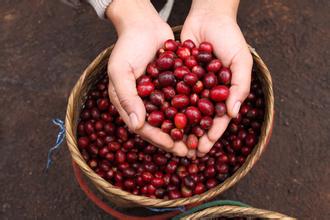
Efforts like 'The Project' focus on encouraging small-scale farmers to grow high-quality beans and process them locally. This helps break the cycle of producing high quantities of low-quality coffee—a challenge faced across the global coffee industry.
Another unique factor is varietal selection. Traditional Bourbon trees, although lower-yielding than newer dwarf hybrids, are preferred by specialty roasters for their superior cup quality and complex flavor profiles.
Frequently Asked Questions
What gives Guatemalan coffee its nutty and chocolatey flavor?
Guatemalan coffee’s nutty, chocolatey, and sometimes smoky flavors come from a combination of high-altitude growing conditions (especially over 1,350 meters), volcanic soils rich in minerals, and the slow ripening of Strictly Hard Beans (SHB). Varietals like Bourbon also contribute to deeper, more complex tasting notes in the cup.
Which regions in Guatemala produce the best specialty coffee?
The best-known regions for specialty-grade Guatemalan coffee are Antigua (especially lots like El Pulcal), Huehuetenango, Lake Atitlán, and San Marcos. Antigua is especially prized for its rich, tobacco-forward cups, while Huehuetenango offers bright acidity with chocolate complexity due to its extreme altitude and protective winds.
Why is Guatemalan coffee considered SHB?
Guatemalan coffee is classified as SHB (Strictly Hard Bean) when grown at elevations above 1,350 meters. The higher altitude results in denser coffee beans that take longer to mature, allowing for more complex sugar development and better flavor concentration in the cup.
What challenges does the Guatemalan coffee industry face today?
Guatemala struggles with relatively low yields (700 kg/ha), limited export control by smallholders, and economic pressures that often force farmers to sell unprocessed cherries. Additionally, political instability and competition from higher-yield countries impact its global market position despite the country’s high cup quality potential.
Are there any efforts to improve Guatemalan coffee quality?
Yes, initiatives like the U.S.-funded 'The Project' invest in training and infrastructure for smallholder farmers to grow and process specialty coffee locally. There is also a strong emphasis on reviving traditional varietals like Bourbon that produce more complex and desirable flavor profiles.
Recommended FrontStreet Coffee Beans with Nutty & Chocolate Profiles
If you love coffee with nutty richness, chocolate depth, and smooth body, try FrontStreet Coffee’s Specialty Blend, Brazilian Queen Manor, and Black Cocoa Blend. The Specialty Blend combines Brazilian and Colombian beans for complex nuttiness, almond, walnut, and milk chocolate tones with silky crema—perfect for espresso. The Brazil Queen Manor is a single-origin Yellow Bourbon with low acidity, highlighting creamy peanut, caramel, and toasty notes. For milk chocolate lovers, the Black Cocoa Blend blends Brazilian nuttiness with Yunnan acidity and a sweet, dessert-like finish. All three showcase the kind of flavor balance typical of high-quality Guatemalan beans. Freshly roasted within 5 days · Orders placed before 17:00 ship the same day · Next-day delivery across most of Guangdong Province.
FrontStreet Coffee is a long-established specialty coffee roaster in Guangzhou China, selling freshly roasted beans from its own farm in Yunnan as well as dozens of carefully selected single-origin beans from around the world for both pour-over and espresso. The products deliver consistently excellent quality and great value, with shipping within 24 hours. Guangzhou's FrontStreet Coffee shop is recommended by many coffee lovers, and the beans are now available online at the Tmall 。
Important Notice :
前街咖啡 FrontStreet Coffee has moved to new addredd:
FrontStreet Coffee Address: 315,Donghua East Road,GuangZhou
Tel:020 38364473