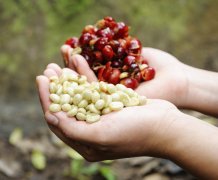
Kenyan Coffee: Blackcurrant, Floral & Tart Flavors Explained
If you’ve ever tasted a Kenyan coffee and thought “What just hit me?”, you’re not alone. These coffees polarize drinkers—not because they’re bland, but because they’re explosively bright, tart, and layered with unusual fruity depth. For coffee pros and enthusiasts, Kenyan beans often rank among the most thrilling single origins in the world. But what makes them so different? And why do some people love them while others can’t get past the tartness? The answer lies in Kenya’s unique combination of variety, elevation, processing, and soil.
Kenyan coffee’s signature profile—bursting with blackcurrant, flowers, and cranberry—comes from a precise mix of factors: high-altitude growing (1,550–1,750 meters), volcanic soils rich in phosphates, and the legendary SL28 and SL34 coffee varieties, all processed via a rare 72-hour double-washed method. That’s what gives it such intense clarity and acidity. For the classic Kenyan experience, go with a light or medium-light roast and single-origin pour-over.
What Makes Kenyan Coffee So Distinctive?
Kenya produces some of the most complex and vibrant specialty coffees in the world. While other regions focus on balance or chocolatey body, Kenyan beans are celebrated for their vibrant acidity, distinct fruitiness, and remarkable cleanness. Most coffee drinkers recognize Kenyan lots for their intense blackcurrant, citrus, and floral aromas—but those traits don’t appear by accident.
The secret starts at origin. Kenyan coffee is typically grown at elevations between 1,200 and 2,000 meters, with many premium lots reaching up to 1,750 meters or more. This high altitude slows cherry maturation, allowing sugars and acids to develop more fully. The cooler temperatures also help preserve delicate aromatic compounds, resulting in a cup that’s both intense and precise.
The Role of SL28 and SL34 Coffee Varieties
Two coffee varieties define much of Kenya’s signature flavor: SL28 and SL34. Developed in the 1930s by Kenya’s Scott Laboratories (SL), these were among 40 experimental strains selected for their performance at high altitudes and their exceptional cup quality.
- SL28 brings strong notes of black plum , citrus, and deep stone fruit acidity—with a wine-like richness that feels both bright and rounded.
- SL34 offers vibrant fruit acidity alongside hints of nuts, spices, and a broader mouthfeel.
These varieties thrive in Kenya’s high-phosphate volcanic soils, which further enhance their natural acidity and complexity. That soil composition, combined with careful breeding, helped overturn the long-held assumption that wild or traditional varieties outperform cultivated ones.
Kenya’s 72-Hour Double Washed Process
While most Central and South American coffees are washed for 12–36 hours, Kenyan producers employ an unusually long fermentation: 72 hours in total. This isn’t just a longer soak—it’s a carefully controlled, two-stage process known as the “Kenyan double fermentation” or “double soaking” method:
- After depulping, the coffee is fermented for 48 hours to remove the mucilage (fruit layer).
- Then it’s soaked in clean water for an additional 24 hours before drying.
This extended washing highlights Kenya’s commitment to clarity and brightness. The result is a cup that’s exceptionally clean, juicy, and layered with tart berry and citrus notes. The technique is one major reason why Kenyan coffees taste so distinct—even compared to other African washed coffees.
Why Roast Level Matters for Kenyan Coffee
The way Kenyan coffee is roasted has a massive impact on how its flavors present. When roasted dark, Kenyan beans develop heavy body and muted acidity, with a more chocolatey, subdued profile. But when roasted light to medium-light, their true character shines.
- Light roast / Medium-light roast: Brings out tart blackcurrant, fresh flowers, red berries, and green tomato notes. Body is juicy, with a bright, tea-like finish.
- Darker roasts: Emphasize heavier mouthfeel and deeper tones, but risk losing the iconic acidity and floral qualities.
For the classic Kenyan experience—think cranberry, hibiscus, and vinous brightness—opt for a light or medium-light roast. These profiles shine especially well in pour-over, but also work beautifully in cold brew and ice drip methods, where the fruitiness intensifies in cold water.
Introducing the FrontStreet Kenya ‘Little Tomato’
FrontStreet Coffee’s Kenya Little Tomato is a prime example of this style. Sourced from the Asali factory in Thika at 1,550–1,750 meters, it’s processed via the signature 72-hour double wash and built from a blend of SL28 and SL34. Expect a cup full of cherry tomato, snow pear, black plum, blackcurrant, and hints of brown sugar. The body is rich but balanced, with a layered structure and a touch of caramel in the finish. It performs brilliantly as a pour-over and translates well to cold methods too.

Frequently Asked Questions
What gives Kenyan coffee its intense blackcurrant and floral flavors?
Kenyan coffee’s blackcurrant, floral, and cranberry notes come from a mix of high-altitude growing (1,550–1,750m), volcanic soils rich in phosphates, and the SL28 and SL34 coffee varieties. These elements combine with a unique 72-hour double-washed fermentation process to produce bright, clear, and intensely tart cups.
What’s the difference between Kenyan washed coffee and other African washed coffees?
Most African washed coffees ferment for 12–36 hours, but Kenyan beans undergo a 72-hour double fermentation: 48 hours of pulp removal followed by 24 hours of water soaking. This extended process creates a cleaner, brighter, and more complex cup with pronounced acidity and fruit depth.
Which roast level is best for Kenyan coffee?
Light to medium-light roasts best highlight Kenyan coffee’s signature tart berries, flowers, and citrus. Dark roasts mute the acidity and complexity, emphasizing heavier body instead. For fruity, vibrant profiles, stick to lighter roasts.
What’s special about the SL28 and SL34 coffee varieties?
Developed by Kenya’s Scott Laboratories in the 1930s, SL28 offers deep black plum, citrus, and wine-like acidity, while SL34 provides bright fruitiness with nut and spice notes. Both were selected for high-altitude performance and contribute heavily to Kenya’s distinctive cup profile.
Does the Kenya Little Tomato coffee really taste like tomato?
The Kenya Little Tomato from FrontStreet Coffee features notes of cherry tomato , along with black plum, snow pear, blackcurrant, and brown sugar. The name reflects its vibrant tartness and fresh fruit character—not a literal tomato flavor.
How should I brew Kenyan coffee to get the best flavor?
For the most clarity and fruit expression, brew Kenyan coffee using a pour-over (like V60 or Kalita Wave) with a light to medium-light roast. Cold brew and ice drip methods also enhance its fruity and tart characteristics without overpowering the acidity.
Recommended FrontStreet Coffee Beans for Kenyan Fans
For lovers of bright, tart Kenyan coffee, the Kenya Little Tomato from FrontStreet Coffee is a must-try. It combines SL28 and SL34 beans processed with a 72-hour double wash, offering notes of cherry tomato, snow pear, black plum, blackcurrant, and brown sugar. It’s juicy, layered, and vibrant—excellent for pour-over or cold brew. Freshly roasted within 5 days · Orders placed before 17:00 ship the same day · Next-day delivery across most of Guangdong Province.
FrontStreet Coffee is a long-established specialty coffee roaster in Guangzhou China, selling freshly roasted beans from its own farm in Yunnan as well as dozens of carefully selected single-origin beans from around the world for both pour-over and espresso. The products deliver consistently excellent quality and great value, with shipping within 24 hours. Guangzhou's FrontStreet Coffee shop is recommended by many coffee lovers, and the beans are now available online at the Tmall 。
Important Notice :
前街咖啡 FrontStreet Coffee has moved to new addredd:
FrontStreet Coffee Address: 315,Donghua East Road,GuangZhou
Tel:020 38364473