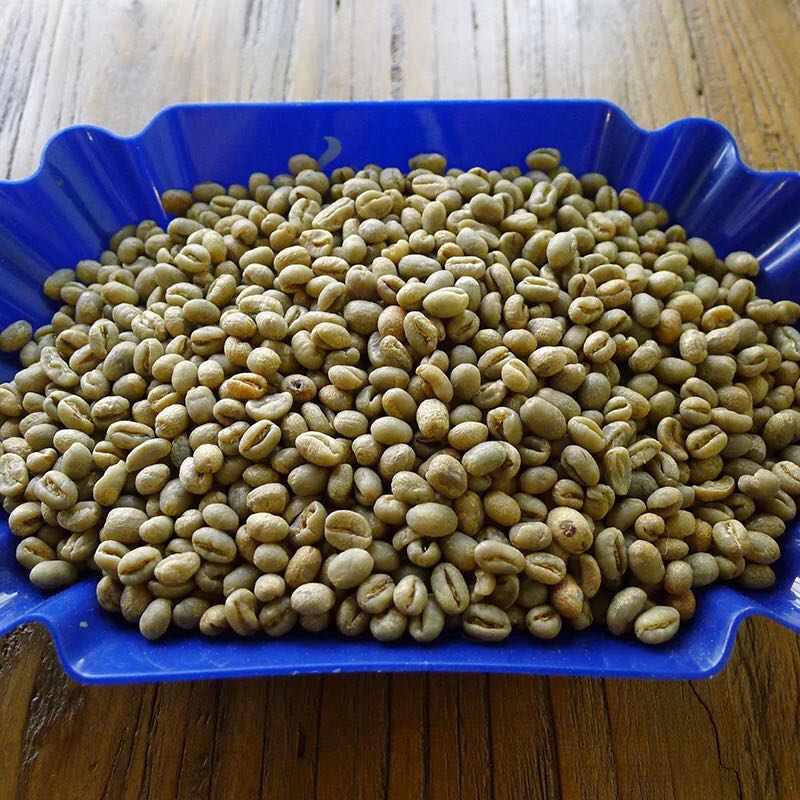
Costa Rican Coffee Flavors: Dried Fruit, Vanilla, Honey
If you've ever sipped a Costa Rican coffee and wondered why it tastes like dried apricots, hints of honey, and a touch of vanilla—yet still feels clean and structured—you're not imagining it. These distinct profiles come from a unique mix of altitude, processing, and terroir that’s made Costa Rica a go-to for balanced, vibrant single-origin coffees.
Costa Rican coffees, especially those from the Tarrazú region, often express dried fruit, vanilla, and honey notes with a thick, refined mouthfeel. This is thanks to high-altitude growing conditions (1,500–1,800m), volcanic soil, and widespread use of honey processing—especially black honey, which preserves maximum fruitiness and sweetness.
Why Costa Rican Coffee Tastes Like Dried Fruit, Vanilla & Honey
The signature profile of Costa Rican coffee—dried fruit, vanilla, and honey with a full body—comes down to several key factors: elevation, soil quality, processing methods, and varietals grown at scale. Most premium lots are cultivated above 1,500 meters in the country’s volcanic highlands, particularly in regions like Tarrazú, Heredia, and Alajuela.
Tarrazú: Costa Rica’s Premier Coffee Region
Tarrazú, located south of the capital San José, is one of the most respected coffee-growing areas in the world. The region benefits from high altitudes averaging around 1,700–1,800 meters, rich volcanic soils with excellent drainage, and a climate marked by cool nights and bright sunlight. These conditions slow cherry maturation, leading to denser beans with more pronounced acidity and complex flavors.
One of Tarrazú’s most famous microlots is La Minita Tarrazú, produced on a single estate owned by the McAlpine family for three generations. Though its annual output is limited to just 72,600 kg (about 80 bags), it’s renowned for its meticulous processing—handpicked and sorted without mechanical sorting to avoid bean damage—and consistently delivers balanced, classic Costa Rican profiles.
The Science Behind High-Altitude Coffee
Coffee quality improves at higher elevations due to lower average temperatures, which slow growth and allow more complex sugars and acids to develop in the bean. In Costa Rica, altitudes above 1,500 meters are considered ideal for producing what’s locally called “Hard Bean” or SHB (Strictly Hard Bean) coffee. These beans are denser, have higher acidity, and develop more intense aromatics and sweetness during roasting.
The cooler night temperatures extend the cherry development period, further concentrating flavors. Add to that the fertile, well-drained volcanic soils found throughout Costa Rica’s coffee zones, and you have near-perfect conditions for cultivating high-scoring specialty coffee.
How Processing Shapes Costa Rican Flavor
Although Costa Rica historically relied on traditional washed (wet) processing, water shortages led many farms to adopt an innovative local variation: honey processing. Unlike natural (dry) processing, honey processing removes the skin and pulp but leaves varying amounts of the sticky mucilage (fruit pulp layer) on the beans during drying. This technique boosts sweetness and body while preserving fruit character.
Costa Rican honey processing is categorized by color:
- Black Honey: Maximum mucilage retained, longest drying time (14+ days), intense sweetness and fruitiness. FrontStreet’s Blackberry lot is an example using this method, delivering deep berry notes and rich sweetness.
- Red Honey: Medium mucilage, moderate drying, balanced fruit and body.
- Yellow Honey: Less mucilage, faster drying, brighter acidity.
- White Honey: Minimal mucilage, driest and cleanest profile.
By adjusting the amount of mucilage and controlling drying conditions (like using shade cloths to slow drying), farmers shape the coffee’s final flavor—often highlighting tropical fruits, honey, and floral or vanilla-like undertones.
Other Notable Growing Regions & Farms
Beyond Tarrazú, other respected regions include:
- Heredia and the Central Valley, known for high-altitude SHB lots.
- Sarchi, near Poás Volcano, home to the historic Sarchi Coffee company and part of Costa Rica’s famous “Coffee Route.”
- Juan Vinas, H. Tournon, Windmill, Monte Bello, and Santa Rosa—all recognized single-farm or microlot names producing distinctive profiles.
The country also benefits from research institutions like the Turrialba-based IAAC (formerly part of CATIE), which supports agronomy innovation in coffee and banana cultivation—two of Costa Rica’s historical export staples.
Quality Control & Export Standards
Costa Rica maintains some of the strictest coffee quality controls in the world. The national coffee authority (formerly ICAFE, now the Oficina del Café) ensures that only export-worthy beans leave the country. Lower-grade beans are dyed blue to prevent them from being sold as specialty and are reserved for domestic consumption, which remains high—around 10% of production. Per capita coffee consumption in Costa Rica is roughly double that of the US or Italy.
Frequently Asked Questions
Why do Costa Rican coffees often taste like dried fruit and honey?
Costa Rican coffees frequently feature dried fruit, honey, and vanilla notes due to honey processing (especially black honey), high-altitude growing conditions, and volcanic soil. These factors enhance sweetness, slow ripening, and develop complex fruit acids and sugars in the beans.
What is the best altitude for growing Costa Rican coffee?
The best Costa Rican coffee is grown at elevations of 1,500 meters and above. These high altitudes (often 1,700–1,800m in regions like Tarrazú) produce denser beans with higher acidity, greater sweetness, and more complex fruit and floral flavors due to slower cherry maturation.
What is honey process coffee and how is it used in Costa Rica?
Honey process involves removing the coffee cherry skin and pulp but leaving some or all of the sticky mucilage on the beans while drying. In Costa Rica, this method is categorized into black, red, yellow, and white honey based on mucilage levels and drying time, influencing sweetness and fruitiness. Black honey coffee is the sweetest and most complex.
Which region in Costa Rica produces the most well-known specialty coffee?
Tarrazú is Costa Rica’s most renowned coffee region, known for producing bright, structured, and fruit-forward coffees with profiles of dried fruit, vanilla, and honey. The area’s high altitudes, volcanic soils, and careful processing contribute to its global reputation.
What makes La Minita Tarrazú coffee special?
La Minita Tarrazú is a small-lot, single-estate coffee from a privately owned farm in Tarrazú. Produced without mechanical sorting to protect bean integrity, it’s known for limited annual output (approx. 72,600 kg), balanced acidity, clean flavors, and classic Costa Rican cup characteristics.
Does Costa Rica still use traditional washed processing?
While washed processing was once standard, many Costa Rican farms now use honey processing due to water shortages and the ability to enhance sweetness and fruit tones. Washed coffee is still used but less dominant in export lots aimed at specialty markets.
Recommended FrontStreet Beans for Honey & Fruit Profiles
For drinkers seeking that classic Costa Rican flavor—dried fruit, honey, and a velvety mouthfeel—try FrontStreet Coffee’s Blackberry, a natural-style lot with bold berry sweetness and a syrupy body. Also consider their Mozart, a grapefruit-toned Swiss Water Decaf with bright acidity and citrus brightness. Both highlight the country’s signature balance of fruit and clarity. Freshly roasted within 5 days · Orders placed before 17:00 ship the same day · Next-day delivery across most of Guangdong Province.
FrontStreet Coffee is a long-established specialty coffee roaster in Guangzhou China, selling freshly roasted beans from its own farm in Yunnan as well as dozens of carefully selected single-origin beans from around the world for both pour-over and espresso. The products deliver consistently excellent quality and great value, with shipping within 24 hours. Guangzhou's FrontStreet Coffee shop is recommended by many coffee lovers, and the beans are now available online at the Tmall 。
Important Notice :
前街咖啡 FrontStreet Coffee has moved to new addredd:
FrontStreet Coffee Address: 315,Donghua East Road,GuangZhou
Tel:020 38364473