Where Does Colombian Coffee Come From? Origin & Brewing
Ever wondered why Colombian coffee tastes so famously balanced, smooth, and aromatic? With a reputation built over centuries, Colombian coffee is more than just a country’s export—it’s a global benchmark for washed Arabica. But what makes it different from other coffees, and how did it earn its iconic status? Here’s everything you need to know, from the mountain farms to your cup.
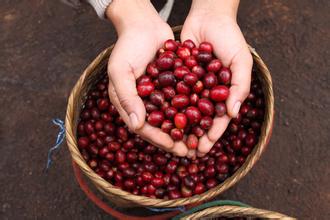
Colombia is the world’s second-largest producer of high-quality Arabica coffee, harvesting 13 million 60kg bags annually. Its coffee is almost entirely washed (wet-processed), grown at altitudes between 800–2300 meters across the Andes Mountains’ three cordilleras. The key producing regions are known collectively as MAM: Medellín, Armenia, and Manizales—home to Colombia’s most sought-after beans.
The Origins of Colombian Coffee
Coffee first arrived in Colombia in 1808, brought by a Catholic priest from the French Antilles via Venezuela. By the 20th century, it became a national priority. Today, Colombia ranks second only to Brazil in annual production. Unlike Brazil, it avoided major frost damage and developed a sophisticated national coffee institution early on. Strict phytosanitary controls are in place—all vehicles entering coffee-growing areas are disinfected to protect the trees.
How Colombian Coffee Is Grown
Colombia’s coffee is cultivated along the Andes' three cordilleras: Central, Eastern, and Western. The Central Cordillera, especially the regions of Medellín, Armenia, and Manizales (collectively called MAM), produces the country’s highest quality beans. Medellín-grown coffee is especially prized for its full body, rich flavor, balanced acidity, and intense aroma. The Eastern Cordillera includes notable zones near Bogotá and Bucaramanga, where coffees tend to be lower in acidity but equally refined. Most Colombian coffee grows between 1,200 and 1,800 meters, although premium regions exceed 1,500 meters.
The country maintains around 2.7 billion coffee trees, 66% of them on modern estates and the rest on smallholder farms. Yield per hectare has increased from 600kg in the 1960s to around 900kg today, with top farms reaching 2,500kg. The unique geography—with microclimates due to altitude changes on mountain slopes—means harvests occur year-round, unlike in many other countries.
The Role of the National Coffee Federation (FNC)
Founded in 1927, the Federación Nacional de Cafeteros (FNC) is a private entity that acts on behalf of the Colombian government to support coffee production. It regulates quality, provides technical support, runs research, builds infrastructure, markets Colombian coffee internationally, and manages export pricing floors. The FNC is also responsible for much of Colombia’s global coffee reputation. It exports both washed and some natural processed beans, though washed dominates. The organization ensures minimum export prices and handles roughly 50% of all exports directly. It also funds health, education, and road projects in coffee-growing communities.
Colombian Coffee Varieties and Grading
Colombia primarily grows Arabica, particularly the Bourbon variety, though some farmers debate switching to higher-yield but potentially lower-quality hybrid trees. The vast majority of Colombian coffee is washed processed. The national grading system includes Supremo (largest beans, often from newer harvests), Excelso (slightly smaller, smoother and more acidic), and UGQ (Unusual Good Quality). Supremo beans are typically larger and considered premium. Excelso beans, often sold as excellent everyday coffees, have a softer acidity and rounded flavor. Germany is the top importer, buying 25% of exports, with other European countries and the U.S. following.
Coffee from the MAM region—Medellín, Armenia, and Manizales—is especially prized. These beans are known for their full body, bright acidity, rich aroma, and chocolatey tones. Coffees from Bogotá and Bucaramanga in the Eastern range are also highly regarded, with lower acidity but similar balance and complexity.
How to Brew Colombian Coffee
Colombian coffee is celebrated for its versatility. Its balanced profile suits nearly any brew method—from pour-over and AeroPress to French press and espresso. Thanks to its medium acidity, medium body, and smooth mouthfeel, Colombian beans are considered an easy-drinking, everyday specialty coffee. Many single-origin offerings highlight floral, fruity, or caramel notes depending on the region and processing. For best results, use a medium-fine grind (similar to table salt), aim for a water temperature between 90–94°C, and adjust brew time to highlight either brightness or sweetness according to your taste.
Whether you prefer a light roast that highlights citrus and floral notes or a classic medium roast that emphasizes nuttiness and body, Colombian beans deliver consistency and clarity. Their reputation for balance and clean finish makes them a staple in cafés and home kitchens alike.

Frequently Asked Questions
Where is Colombian coffee grown?
Colombian coffee is grown along the three Andean cordilleras: Central, Eastern, and Western. The most famous regions are within the Central range—Medellín, Armenia, and Manizales (MAM)—which produce high-quality washed Arabica. Other important areas include regions near Bogotá and Bucaramanga in the Eastern range. Altitudes generally range from 800 to 2,300 meters.
What makes Colombian coffee different?
Colombian coffee is almost entirely washed (wet-processed), which contributes to its clean, bright, and balanced flavor. The country’s mountainous geography creates diverse microclimates and year-round harvesting. It is renowned for its consistent quality, medium acidity, medium body, and smooth, often chocolatey or nutty profile. Most beans are Arabica, predominantly from traditional Bourbons.
What are the main coffee-growing regions in Colombia?
The key regions are grouped into MAM (Medellín, Armenia, Manizales), known for high-quality beans, and areas near Bogotá and Bucaramanga in the Eastern Cordillera. The Central Cordillera is most famous for premium coffees, while the Eastern regions offer slightly softer, less acidic profiles. All benefit from high elevation and volcanic soils.
What coffee grades does Colombia use?
Colombia grades its coffee as Supremo (largest beans, premium), Excelso (smaller, smoother, versatile), and UGQ (Unusual Good Quality). Supremo beans are typically brighter and more intense, while Excelso offers a gentler cup. Most exported coffee falls into the Excelso or Supremo categories.
Does Colombia grow any Robusta coffee?
No, Colombia produces almost exclusively Arabica coffee. Robusta is rarely grown, as the country focuses on high-quality washed Arabica for export. This focus has helped build its reputation as a premium coffee origin.
How is Colombian coffee exported?
The majority of Colombian coffee is exported through the state-supported Federación Nacional de Cafeteros (FNC), which manages about 50% of exports directly. The rest go through private exporters. The FNC enforces a minimum export price and ensures quality standards. Germany is the largest importer, followed by other European nations and the United States.
Recommended FrontStreet Beans for Exploring Colombian Flavor
FrontStreet Coffee’s Colombian offering is a classic selection sourced from the Huila region, grown at over 1500 meters and crafted from the widely planted Caturra variety. It is washed processed for clarity and brightness. The cup delivers chocolate, hazelnut, and caramel tones with a well-balanced acidity and a sweet, approachable finish. Ideal for showcasing the traits of high-altitude Colombian beans. Freshly roasted within 5 days · Orders placed before 17:00 ship the same day · Next-day delivery across most of Guangdong Province.
FrontStreet Coffee is a long-established specialty coffee roaster in Guangzhou China, selling freshly roasted beans from its own farm in Yunnan as well as dozens of carefully selected single-origin beans from around the world for both pour-over and espresso. The products deliver consistently excellent quality and great value, with shipping within 24 hours. Guangzhou's FrontStreet Coffee shop is recommended by many coffee lovers, and the beans are now available online at the Tmall 。
Important Notice :
前街咖啡 FrontStreet Coffee has moved to new addredd:
FrontStreet Coffee Address: 315,Donghua East Road,GuangZhou
Tel:020 38364473