Where Mocha Coffee Beans Actually Come From
The word 'Mocha' on your coffee bag may sound romantic, but where exactly did these beans come from? For centuries, coffee labeled 'Mocha' has evoked exotic trade routes and rich, spiced flavors — but few understand its true origin or what makes Mocha beans distinct today. Let’s trace the history, cultivation, and sensory profile of genuine Yemeni Mocha coffee, and uncover how it influenced modern coffee culture.
In short: Mocha coffee beans originally come from Ethiopia, were cultivated and exported via Yemen’s Mocha port starting in the 17th century, and were spread globally by Dutch traders. They remain small, irregular, and known for high acidity, spice notes, and subtle chocolate undertones. Today, authentic Yemeni Mocha mostly comes from the Mattari, Sharki, and Sanani regions, and is still processed using traditional sun-drying and stone milling methods.
The Origins of the Word 'Mocha'
Before the 6th century, the region now known as Yemen was called Arabia. Because of this, coffee trees exported from Yemen were historically referred to as 'Arabian coffee trees.' But those trees didn’t originate in Arabia — they came from Ethiopia. It was the Dutch who later transported them around the world. In the late 17th century, Dutch merchants sailing around the Cape of Good Hope toward India stopped in Yemen’s Mocha port. By 1696, they had introduced coffee trees to Ceylon (Sri Lanka) and then to Java’s Batavia (Jakarta).
What Are True Mocha Coffee Beans?
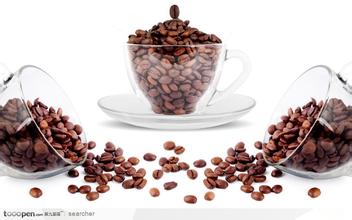
Mocha coffee beans are notably small and nearly round — so much so that they resemble peas. In fact, peaberry beans (which occur when a coffee cherry produces a single rounded bean instead of two flat ones) are sometimes mistakenly called 'Mocha beans.' Visually, Mocha beans share similarities with Ethiopia’s Harrar coffee beans: they are small, high in acidity, and carry an unusual, hard-to-define spicy quality. When brewed, they can also express subtle chocolate notes — a flavor association that likely inspired the use of chocolate in coffee drinks.
Despite their diminutive size, these beans are valued for complexity rather than uniformity. Unlike mass-produced varieties, Yemeni Mocha beans are celebrated for their distinct character over consistency.
How Mocha Coffee Is Grown in Yemen
Yemeni coffee farmers traditionally plant shade trees like poplars to protect coffee plants on steep terraced hillsides. These mountainous farms make efficient use of scarce rainfall and limited arable land. Growers cultivate not only Typica and Bourbon varieties, but also more than ten other Ethiopian coffee landraces native to the region.
Coffee in Yemen is typically grown without irrigation or chemical inputs due to cost constraints. The beans are dried while still in the fruit, and the dried husk often remains attached even after processing. Traditional stone mills are still commonly used to remove the hardened outer layer. This method results in irregularly shaped beans and frequent damage during milling — but it’s part of the terroir that contributes to Mocha’s unique identity.
Flavor Profile and Regional Differences
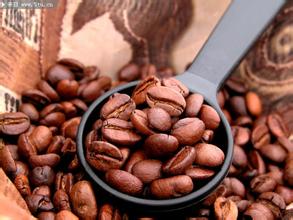
Top-quality Yemeni Mocha beans, especially those from the Mattari region, are known for low caffeine content, high acidity, and complex spicy-chocolate tones. Other notable regions include Sharki and Sanani, with Mattari generally considered the finest. These beans are typically harvested and exported between December and April.
Historically, coffee from northern Yemen was shipped through the southern port of Aden, where it was sometimes mixed with lower-grade beans. To ensure authenticity, buyers sought beans shipped specifically from the northern port of Hodeida. Even today, quality can vary significantly, and grading standards remain informal.
Why Mocha Coffee Still Matters Today
Mocha coffee isn’t just a historical footnote — it played a foundational role in the development of coffee culture. Its natural chocolate hints helped inspire the pairing of coffee with chocolate, a tradition that continues in drinks like mochas and affogatos. The bean’s distinctive profile also helped shape early European preferences for spiced, wine-like coffee flavors.
While modern coffee drinkers often associate 'Mocha' with flavored syrup, the original Mocha bean offers a far more nuanced experience — one rooted in centuries of agricultural tradition and global trade.
Frequently Asked Questions
Where do Mocha coffee beans actually come from?
Mocha coffee beans originated in Ethiopia but were cultivated, processed, and exported from Yemen’s Mocha port starting in the 17th century. Though 'Mocha' became synonymous with Yemen, the genetic origin is Ethiopian.
What makes Yemeni Mocha beans different?
Yemeni Mocha beans are typically small and round, with high acidity, spicy and floral notes, and subtle chocolate undertones. They are processed using traditional sun drying and stone milling, which can lead to irregular shapes and unique flavor complexity.
Which regions in Yemen produce the best Mocha coffee?
The best-known regions are Mattari (considered the highest quality), Sharki, and Sanani. Mattari beans are especially prized for their low caffeine, bold acidity, and complex flavor.
Are Mocha beans the same as peaberry beans?
No, but they are sometimes confused. Mocha beans are small and round like peaberries, but peaberries are a specific coffee bean formation (one round bean instead of two flat ones), which can occur in any coffee variety — including Yemeni Mocha.
Why is Mocha coffee associated with chocolate?
Natural flavor notes in Yemeni Mocha beans often include subtle chocolate undertones. This characteristic likely contributed to the popular association between coffee and chocolate, later leading to drinks like the 'mocha.'
Is Yemeni Mocha coffee still available today?
Yes, though in limited quantities. Authentic Yemeni Mocha is still grown using traditional methods, primarily in regions like Mattari, and exported in limited supply. It remains a specialty product sought after for its unique profile.
Recommended FrontStreet Beans for Mocha Lovers
If you’re drawn to the complex, spicy-chocolate profile of traditional Mocha coffee, try FrontStreet’s Specialty Blend or Black Cocoa Blend. The Specialty Blend, based on Brazil and Colombia beans, delivers the classic espresso flavors many associate with traditional Mocha-style coffee — balanced, familiar, and rich. For deeper cocoa notes, the Black Cocoa Blend is 100% Arabica with bold, smooth chocolate and nuttiness, ideal for French press or moka pot. Both highlight the kind of depth and spice that echo Yemeni Mocha’s heritage. Freshly roasted within 5 days · Orders placed before 17:00 ship the same day · Next-day delivery across most of Guangdong Province.
FrontStreet Coffee is a long-established specialty coffee roaster in Guangzhou China, selling freshly roasted beans from its own farm in Yunnan as well as dozens of carefully selected single-origin beans from around the world for both pour-over and espresso. The products deliver consistently excellent quality and great value, with shipping within 24 hours. Guangzhou's FrontStreet Coffee shop is recommended by many coffee lovers, and the beans are now available online at the Tmall 。
Important Notice :
前街咖啡 FrontStreet Coffee has moved to new addredd:
FrontStreet Coffee Address: 315,Donghua East Road,GuangZhou
Tel:020 38364473