Papua New Guinea Coffee: Origins and Brewing Methods
When you buy a bag labeled 'Papua New Guinea coffee,' you might wonder: what makes it different? This island nation, split between Indonesia and the independent state of Papua New Guinea (PNG), produces coffee under extreme geographic and logistical challenges—yet some of its beans rank among the most distinctive in the Pacific. Most of PNG’s coffee comes from smallholder farms scattered across remote highlands, often inaccessible by road. The result? A unique cup profile shaped as much by isolation as by terroir.
In short: over 75% of PNG’s coffee is grown on small farms at 1300–1800 meters altitude, mostly using traditional, low-input methods. That elevation, organic-like conditions, and Typica heritage create a bright, balanced cup—often A or AB grade—with a profile closer to South American coffees than neighboring Indonesia.
Why Most PNG Coffee Comes From Small, Remote Farms
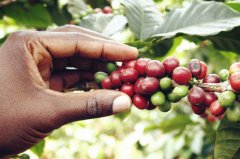
Nearly all of Papua New Guinea’s coffee production—about 75%—comes from small local farms. Many of these are carved out of forested areas, with some plots located deep in isolated jungle regions. The country’s coffee is grown exclusively at elevations between 1300 and 1800 meters above sea level, conditions that naturally favor high cup quality. While low-elevation coffee is planted in small amounts, it rarely reaches commercial significance. Most farming relies on natural growing conditions due to the high cost and difficulty of transporting chemical fertilizers and pesticides to these remote locations.
The History and Economic Role of Coffee in PNG
Coffee plays a vital role in Papua New Guinea’s economy. Over one million people are either directly or indirectly involved in the coffee sector. The industry is overseen by the Coffee Industry Board, headquartered in Goroka on the eastern side of the island, while private companies handle exports. In 1975, a major frost in Brazil destroyed much of its coffee crop, creating an opening for PNG to expand production. The government launched a program to help rural communities and landowners establish around 20-hectare coffee plantations. By 1990, annual production had risen to one million 60kg bags.
How Quality Crisis Hit PNG Coffee After 1990
Despite initial success, rapid production growth led to a decline in coffee quality. By 1991, most PNG coffee was still graded as Y grade—mid-tier quality—but standards began to drop soon after. The country’s policy of 'one grade, one price' meant low-quality beans dragged down the reputation of higher-grade lots, particularly the Y grade, which had previously commanded a premium. European buyers began to back away, and surplus stocks built up. The one-price system proved unsustainable for a product with inherently variable quality.
Government Reforms That Restored PNG Coffee’s Reputation
To address the crisis, the government introduced new quality grades and temporarily halted production of the Y grade. The 'one grade, one price' policy was also scrapped, allowing buyers to pay based on actual quality. This shift impacted farmers producing low-grade beans, but it helped rebuild trust with importers. By 1993, quality issues were largely resolved, and many former buyers returned. The Y grade was reintroduced at a slightly lower premium, reflecting its improved consistency.
What Determines the Flavor and Grade of PNG Coffee?
Papua New Guinea’s coffee is typically grown at high altitudes, often using organic principles and shade-grown methods. These factors contribute to a full-bodied cup with a soft acidity and complex flavors. While some regions produce excellent beans, inconsistency in harvesting—due to farmer turnover and lack of rigorous sorting—leads to varied bean maturity and size. As a result, AA-grade beans are rare. Most exported lots are graded A or AB:
- A Grade: Full-bodied, mild acidity, and a sweet, lingering finish.
- AB Grade: A slightly more diverse mix, but still well-balanced and popular in specialty markets.
How to Brew PNG Coffee for Best Results
To get the most from a bag of PNG coffee—especially an A or AB grade—opt for a pour-over or drip method to highlight its clean acidity and fruity sweetness. A medium-fine grind, similar to table salt, works well with a brew ratio of around 1:16. Aim for a water temperature of 92–94°C. Start with a 30-second bloom using a small amount of water, then add the rest in stages. The result should be a bright, medium-bodied cup with notes of nuts, mild spice, and soft citrus—very approachable for everyday drinking yet complex enough for coffee enthusiasts.
Frequently Asked Questions
Where is Papua New Guinea coffee grown?
Papua New Guinea coffee is grown exclusively in the highlands of the independent nation of Papua New Guinea, at elevations between 1300 and 1800 meters. Most farms are small, remote, and often located in forested or mountainous areas that are difficult to access.
What coffee varieties are grown in PNG?
The majority of coffee in Papua New Guinea is the Typica variety, originally introduced from Jamaica’s Blue Mountain region. It thrives in PNG’s high-altitude, tropical climate and volcanic soils.
What are the main coffee grades in PNG?
PNG coffee is graded into several levels, with A and AB being the most commonly exported. AA is rare. The Y grade was historically a mid-level grade, but after reforms in 1993, it was reintroduced at a lower premium with improved consistency.
What happened to PNG coffee quality in the 1990s?
In the early 1990s, rapid production increases led to a drop in quality. A government policy of 'one grade, one price' worsened the issue by lumping low and high-quality beans together. Reforms in 1993 introduced new grading standards and ended that pricing model, which helped restore the country’s reputation.
How should I brew PNG coffee to bring out its best flavors?
For best results, use a pour-over or drip brew method with a medium-fine grind. Aim for a 1:16 brew ratio, water temperature of 92–94°C, and a gentle bloom. This highlights the coffee’s natural brightness, nuttiness, and subtle fruitiness.
Recommended FrontStreet Beans from Papua New Guinea
Try FrontStreet’s Heaven Bird, a single-origin coffee from PNG’s Sigri Estate. It’s made from high-altitude Typica variety beans processed with careful washed methods, then sun-dried on raised beds. The cup offers toasted bread sweetness, nuttiness, and a spicy finish, with vibrant acidity and fruity undertones. It’s medium-roasted for balance, making it great for filter or espresso. Freshly roasted within 5 days · Orders placed before 17:00 ship the same day · Next-day delivery across most of Guangdong Province.
FrontStreet Coffee is a long-established specialty coffee roaster in Guangzhou China, selling freshly roasted beans from its own farm in Yunnan as well as dozens of carefully selected single-origin beans from around the world for both pour-over and espresso. The products deliver consistently excellent quality and great value, with shipping within 24 hours. Guangzhou's FrontStreet Coffee shop is recommended by many coffee lovers, and the beans are now available online at the Tmall 。
Important Notice :
前街咖啡 FrontStreet Coffee has moved to new addredd:
FrontStreet Coffee Address: 315,Donghua East Road,GuangZhou
Tel:020 38364473