How Papua New Guinea Processes Specialty Sun-Dried Coffee
When you taste a Papua New Guinea (PNG) coffee, you might wonder how beans grown in such remote, forested highlands become some of the most distinct and balanced single origins in the world. The answer lies in how the coffee is cultivated and processed—especially when it’s dried in the sun, a method that brings out deep fruitiness and winey tones. But what exactly happens on those misty slopes, and why does PNG’s natural process stand out?
The majority of PNG’s specialty coffee is produced via the natural (sun-dried) process at elevations between 1300–1800 meters, where smallholder farms—many inaccessible and tucked deep in forests—grow coffee with minimal chemical input due to transport challenges. This method, combined with careful sorting and drying, defines the country’s signature cup profile.
Smallholder Farms in the Highlands
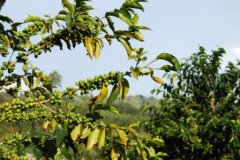
Nearly 75% of PNG’s coffee comes from small, local farms, often carved out of forested highland areas and some in nearly isolated jungle locations. These farms exist at altitudes between 1300 and 1800 meters—prime conditions for high-quality Arabica. While low-elevation coffee is grown, it’s minimal. Most of the farming relies on natural growing conditions because transporting fertilizers and pesticides is difficult and expensive. The rugged terrain and isolation add to the mystique—and challenge—of producing consistent lots.
The Rise, Fall, and Recovery of PNG Coffee Quality
In 1975, a frost devastated Brazil’s coffee crops, creating global demand that helped boost PNG’s industry. The government funded the creation of around 20-hectare coffee estates on collective or rural land, increasing coffee’s role in the local economy. By 1990, annual production hit 1 million 60kg bags. But success came with a cost: rapid production growth led to inconsistent quality. Before 1991, most PNG coffee graded as Y (a premium commercial grade), but post-1991, quality declined sharply, causing the loss of European buyers and collapsing prices. The government’s “one grade, one price” policy backfired, as lower-quality beans tarnished the reputation of higher-grade Y coffee.
To fix this, the government introduced new grading standards, suspended Y-grade production, and abandoned the single-price policy. This allowed buyers to pay based on actual quality, hitting the incomes of farmers selling poor beans—but ultimately restoring confidence. By 1993, quality had largely recovered, and former customers returned. Y-grade coffee now commands a slightly lower premium, reflecting its improved but not elite status.
The Natural Process: From Harvest to Drying
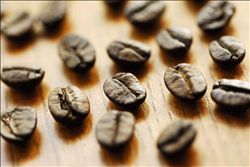
Most PNG coffee is processed naturally, especially at high altitudes. Farmers handpick ripe cherries, which are then sorted to remove underripe or damaged fruit. The selected cherries are spread on raised beds or patios in thin layers to dry in the sun. Workers regularly turn the cherries to ensure even drying, a critical step to avoid mold or fermentation defects. The drying period typically lasts several weeks, depending on weather conditions. Once the moisture content drops to around 11–12%, the dried cherries are hulled to remove the parchment, then sorted and graded. This method preserves the fruit’s inherent sugars and acids, leading to a cup with pronounced sweetness, winey undertones, and complex fruit flavors.
Why Altitude and Variety Matter
PNG’s coffee thrives thanks to its island geography: volcanic soils, high humidity, and elevations between 1200–2500 meters. The climate is hot year-round, with cooler temperatures at higher altitudes and heavy winter rains. Most coffee is grown on plateaus and highlands, using organic practices and shade trees. The primary variety is Typica, originally brought from Jamaica’s Blue Mountains—a region with nearly identical growing conditions. This heritage variety adapts well and produces a cup that’s more akin to Latin American profiles than Indonesia’s earthy, spicy styles: think bright acidity, floral and fruity notes, and a clean, sweet finish. The combination of altitude, variety, and traditional processing creates a truly unique cup.
What Does This Mean for Coffee Drinkers?
If you’ve tried a natural-process PNG and enjoyed its soft yet vibrant profile—think red fruit, light spice, and a sugary body—that’s the result of careful growing at elevation, meticulous sorting, and patient sun drying. Unlike wet-processed coffees, naturals from PNG highlight the cherry’s innate sweetness and complexity. The challenge of inconsistent quality has largely been addressed, and today’s PNG offerings—especially those graded A or AB—are reliable, high-quality single origins that offer great value.
Frequently Asked Questions
What is the most common coffee processing method in Papua New Guinea?
The most common processing method in Papua New Guinea is the natural (or sun-dried) process, especially at elevations between 1300–1800 meters. This involves drying ripe coffee cherries in the sun on raised beds or patios, which enhances sweetness and fruitiness in the cup.
Why is most PNG coffee grown at high altitudes?
PNG coffee is grown at 1300–1800 meters because higher altitudes slow cherry ripening, resulting in denser beans with more complex flavors. The highland environment also provides ideal conditions for Arabica, with cooler temperatures and rich volcanic soils.
What happened to PNG coffee quality in the 1990s?
After a boom in production during the 1980s, PNG coffee quality declined in the early 1990s, losing key European markets. The government then reformed grading standards, stopped producing the Y grade, and adopted pricing based on quality, which helped restore the industry’s reputation by 1993.
What coffee variety dominates in PNG?
The dominant coffee variety in PNG is Typica, originally introduced from Jamaica’s Blue Mountains. It thrives in PNG’s similar high-altitude, cool-climate conditions and produces a cup profile closer to Latin American coffees than Indonesian ones—bright, sweet, and fruity.
How is natural-process PNG coffee different from washed PNG coffee?
Natural-process PNG coffee is dried with the cherry on the bean, which enhances sweetness, body, and fruity flavors. Washed (or wet-processed) PNG coffee removes the cherry before drying, resulting in a cleaner, brighter cup with more pronounced acidity, though PNG’s washed coffees are less common than naturals.
What does A or AB grade mean in PNG coffee?
In PNG, A and AB grades are quality classifications for exported coffee. A grade beans are typically larger, more uniform, and have a balanced cup with mild acidity, while AB grade includes a mix of slightly smaller beans but still offers good flavor. Both grades are commonly available and represent solid specialty quality.
Recommended FrontStreet Coffee for Natural Process Fans
Try FrontStreet’s (Paradise Bird) from PNG’s Sigri Estate—known for strict quality control and traditional processing. It features notes of baked bread sweetness, nuttiness, and a spicy finish, with a juicy body and vibrant acidity. The cup is balanced and approachable, much like classic PNG naturals. Freshly roasted within 5 days · Orders placed before 17:00 ship the same day · Next-day delivery across most of Guangdong Province.
FrontStreet Coffee is a long-established specialty coffee roaster in Guangzhou China, selling freshly roasted beans from its own farm in Yunnan as well as dozens of carefully selected single-origin beans from around the world for both pour-over and espresso. The products deliver consistently excellent quality and great value, with shipping within 24 hours. Guangzhou's FrontStreet Coffee shop is recommended by many coffee lovers, and the beans are now available online at the Tmall 。
Important Notice :
前街咖啡 FrontStreet Coffee has moved to new addredd:
FrontStreet Coffee Address: 315,Donghua East Road,GuangZhou
Tel:020 38364473