Papua New Guinea’s Kintamani Highlands Coffee Origins
If you’ve ever wondered why some specialty coffee bags list ‘Papua New Guinea’ as the origin and cost more than your average blend, the answer lies in its rugged, isolated highland farms. Over 75% of PNG’s coffee comes from tiny, often remote plots carved out of jungle or volcanic slopes—many reachable only on foot. These smallholders face huge challenges, yet produce some of the Pacific’s most distinctive beans. But what makes them different, and why did PNG coffee almost disappear from global markets in the 1990s? Let’s break it down.
In short: Most PNG coffee grows between 1,300–1,800 metres above sea level, mostly on smallholder farms (under 20 hectares), many in forest or volcanic zones like Kintamani. The elevation, organic practices, and Typica heritage create bright, complex cups—but quality issues in the 1990s damaged its reputation until reforms fixed grading and pricing.
The Roots of PNG Coffee Production
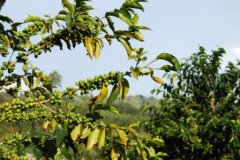
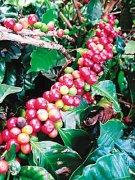
Papua New Guinea’s coffee industry is almost entirely smallholder-driven. Around 75% of its coffee comes from tiny local farms, often tucked in forest margins or deep in isolated jungle areas. These farms exist primarily in highland zones, where elevation ranges from 1,300 to 1,800 metres above sea level—the sweet spot for high-quality Arabica. While some lowland coffee exists, production is minimal. Due to rugged terrain and high transport costs, most farms rely on natural growing conditions rather than synthetic fertilizers or pesticides.
Economic Impact and Industry Structure
Coffee plays a major role in PNG’s economy, directly and indirectly employing over one million people. The sector is overseen by the Coffee Industry Board, headquartered in Goroka on the eastern side of the island. However, exports are handled by private companies. In response to the 1975 Brazilian frost that devastated global coffee supplies, the PNG government launched a program to help rural communities establish around 20-hectare coffee farms. By 1990, annual production hit one million 60kg bags, boosting local economies.
Quality Crisis and Market Loss in the 1990s
But rapid expansion came at a cost. Before 1991, most PNG coffee graded as Y grade—a mid-tier with decent market value. However, post-1991, inconsistent harvesting led to uneven ripeness and bean size, and overall quality declined. The ‘one grade, one price’ policy obscured these issues, allowing poor-quality beans to damage the premium reputation of Y grade coffee. Sales dropped, especially in Europe, where buyers demanded consistency.
Reforms That Restored PNG Coffee’s Reputation
To address the crisis, the government eliminated the Y grade designation and introduced new, stricter quality tiers. The ‘one grade, one price’ system was scrapped, allowing buyers to pay based on actual bean quality. This shift hurt farmers producing low-grade lots, but it restored long-term credibility. By 1993, quality had improved enough that major buyers returned. Y grade coffee was reintroduced at a slightly lower premium, reflecting its renewed reliability.
What You’ll Typically Find in PNG Coffee Today
While some regions grow exceptional AA beans, most exported PNG coffee falls into A or AB grades. A grade beans are prized for their full body, moderate acidity, and lingering aftertaste. These characteristics come from the high-altitude terroir, traditional farming methods, and predominantly Typica variety—originally brought from Jamaica’s Blue Mountains. Most PNG coffee is processed using the washed method, which enhances clarity and fruit-toned acidity.
Kintamani and Volcanic Highland Influences
Though not as famous as other regions, areas like Kintamani—part of PNG’s broader highland volcanic belt—offer ideal conditions for coffee. The volcanic soils, elevation, and frequent cloud cover contribute to a cup profile that balances sweetness, body, and bright acidity. These factors make PNG coffee appealing to drinkers seeking something distinctive yet approachable.
Frequently Asked Questions
Where is the Kintamani coffee region in Papua New Guinea?
Kintamani is part of Papua New Guinea’s larger highland area, known for volcanic soils and elevations between 1,300–1,800 metres. Though not as widely branded as other PNG regions, it shares the same high-altitude, forested conditions that define much of the country’s specialty coffee production.
What altitude does coffee grow in Papua New Guinea?
PNG coffee is grown at elevations between 1,300 and 1,800 metres above sea level. These high altitudes slow ripening, leading to denser beans with better acidity and complexity—key traits of specialty coffee.
Why did PNG coffee lose popularity in the 1990s?
After a boom in production during the 1980s, inconsistent harvesting led to poor bean quality. The government’s ‘one grade, one price’ policy masked these issues, and low-quality beans damaged the reputation of even higher graded Y level coffee, especially in export markets like Europe.
How did PNG fix its coffee quality problems?
In the early 1990s, the government removed the Y grade classification, introduced new quality tiers, and ended the single-price system. This allowed buyers to pay based on bean quality, incentivising better farming and processing practices, and helped rebuild international demand by 1993.
What coffee grades are most common in PNG exports?
Most exported PNG coffee falls into A or AB grades. AA grade is rare. A grade beans are known for full body, mild acidity, and a sweet, lingering finish—traits valued by specialty roasters and drinkers.
What coffee variety is most common in Papua New Guinea?
The majority of PNG coffee is Typica, originally introduced from Jamaica’s Blue Mountains. This variety thrives in PNG’s highland conditions and contributes to the coffee’s bright, balanced cup profile.

Recommended FrontStreet Coffee for PNG Fans
Try FrontStreet’s Paradise Bird from Papua New Guinea’s Sigri Estate—renowned for high standards in both farming and processing. It’s a washed coffee with notes of toasted bread, nuts, and a unique spicy finish, offering a rich yet balanced cup. Roasted to medium, it highlights PNG’s signature bright acidity and fruity undertones, making it great for filter or AeroPress. Freshly roasted within 5 days · Orders placed before 17:00 ship the same day · Next-day delivery across most of Guangdong Province.
FrontStreet Coffee is a long-established specialty coffee roaster in Guangzhou China, selling freshly roasted beans from its own farm in Yunnan as well as dozens of carefully selected single-origin beans from around the world for both pour-over and espresso. The products deliver consistently excellent quality and great value, with shipping within 24 hours. Guangzhou's FrontStreet Coffee shop is recommended by many coffee lovers, and the beans are now available online at the Tmall 。
Important Notice :
前街咖啡 FrontStreet Coffee has moved to new addredd:
FrontStreet Coffee Address: 315,Donghua East Road,GuangZhou
Tel:020 38364473