Bali’s Ubud Processing Plant Revives Indonesian Specialty Coffee
For decades, coffee from Bali was dismissed as cheap commercial filler—harvested without care, processed inconsistently, and roasted dark to mask flaws. Yet high altitudes like those around Mount Kintamani hold real potential for clean, complex profiles. The challenge? Local farmers lacked the equipment, climate control, and skills to unlock it reliably year to year.
The turning point came in 2015, when Rodney and two Q Grader partners built Bali’s first dedicated specialty processing facility right in Ubud, the island’s cultural heart. By separating harvests from processing and refining methods, they’ve now produced experimental lots with cleaner cups and brighter acidity than standard Indonesian beans—and even rivaling top-tier Central American profiles.
Bali’s Coffee Legacy: From Commodity to Craft
Traditionally, Balinese coffee was treated as a low-value crop. Most beans were bulk-harvested, poorly processed, and sold as cheap commercial stock. The region’s volcanic soils and high elevations (like those around Mount Kintamani) had potential, but inconsistent weather, uneven berry quality, and rudimentary processing meant flavor varied wildly—and rarely for the better.
The Ubud Processing Solution
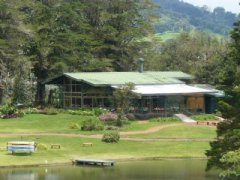
Rodney, a Q Grader, and his partners opened Bali’s only specialty coffee shop in Ubud, using two roasters (1kg and 4kg) and sourcing green beans from nearby high-quality regions such as Java, Sulawesi, New Guinea, and Flores. Their next move: control the processing. In 2015, they built their own processing facility on the grounds of the café and adjacent to their home, strategically located at 800m altitude in Ubud.
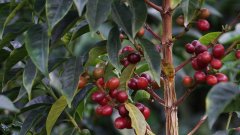
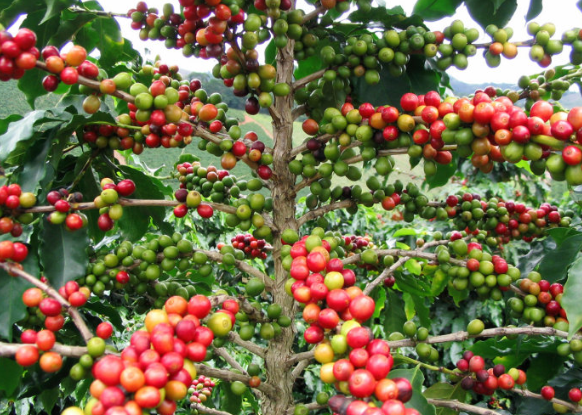
For the 2023 harvest, they sourced ripe cherries from Kintamani at 1400m elevation. These were partially pre-processed on-site before being transported down to the Ubud facility at 800m for final drying and finishing. This two-stage approach aimed to balance altitude-driven sweetness with stable, controlled drying conditions.
Experimental Processes, Exceptional Results
This harvest season, the team ran three controlled experiments: washed, honey, and natural (sun-dried) processes. The results surprised even seasoned cuppers. Across all three methods, the coffees showed lower defect rates and tighter uniformity than typical lots from Central America. The washed and honey lots delivered bright, layered acidity; the natural lot exploded with intense tropical fruit—ripe peaches, pineapples, mangoes—and fermented notes reminiscent of fine wine, with a lingering finish of brown sugar, dark chocolate, and hazelnuts.
The dry fragrance of the beans featured strong cantaloupe and tropical fruit notes. On the cupping table, flavors shifted to pineapple and strawberry jam sweetness. As the cup cooled, smooth and rich acidity emerged, leading into a syrupy body and a finish of caramelized sugars and cocoa. Notably, the natural process batch surpassed many well-known Central American estate naturals in fruity intensity and complexity.
Why Altitude and Processing Matter
The Kintamani region’s 1400m elevation contributes to slower cherry maturation, which builds denser beans with more concentrated sugars. By moving fermentation and drying to Ubud’s more stable 800m climate, the team reduced environmental risks (like sudden rains or humidity spikes) that typically plague high-altitude processing. This two-tiered system—harvest high, process lower—lets them preserve the best of both worlds: mountain-grown intensity and controlled post-harvest development.
Frequently Asked Questions
Where is the Ubud processing facility located?
The Ubud processing facility is located in Ubud, Bali, at an altitude of around 800 meters. Coffee cherries are sourced from higher elevations, specifically 1400m in the Kintamani region, and then transported to Ubud for final processing and drying.
What coffee processing methods did Rodney experiment with in 2023?
In the 2023 harvest season, Rodney and his team experimented with three processing methods: washed (wet), honey (pulped natural), and natural (sun-dried). Each method produced distinct cup profiles, with the natural process showing exceptional tropical fruit and wine-like characteristics.
What makes Kintamani coffee different from other Indonesian coffees?
Kintamani coffee benefits from high elevation (around 1400m), volcanic soils, and cooler temperatures, which contribute to slower cherry development and more complex sugar profiles. When processed carefully—as with the Ubud team’s controlled methods—the result is cleaner, brighter, and more fruit-forward cups than typical Indonesian commercial lots.
Are these Bali coffees available for purchase through FrontStreet Coffee?
While this article highlights the experimental lots from the Ubud processing facility, specific retail availability is not mentioned. However, FrontStreet Coffee does offer other Indonesian single origins, such as Lintong Mandheling and PWN Golden Mandheling, which showcase the country’s classic profiles with spice, chocolate, and caramel notes.
What is the defect rate of the experimental Ubud-processed lots compared to Central American beans?
The article states that the defect rate and uniformity of the Ubud-processed experimental lots (washed, honey, and natural) were “even more excellent” than those of typical Central American specialty beans, indicating unusually low defect levels and high consistency for an Indonesian origin.
Recommended FrontStreet Beans for Indonesian Coffee Exploration
For drinkers curious about Indonesian profiles beyond Bali, FrontStreet Coffee offers two standout options: Lintong Mandheling, grown at 1100–1600m in North Sumatra, delivers a classic Mandheling cup with herbal, spicy, and woody notes; PWN Golden Mandheling is a meticulously hand-selected lot that highlights toasted bread, dark chocolate, and caramel with a thick, lasting sweetness. Both showcase Indonesia’s signature earthy depth and smooth body. Freshly roasted within 5 days · Orders placed before 17:00 ship the same day · Next-day delivery across most of Guangdong Province.
FrontStreet Coffee is a long-established specialty coffee roaster in Guangzhou China, selling freshly roasted beans from its own farm in Yunnan as well as dozens of carefully selected single-origin beans from around the world for both pour-over and espresso. The products deliver consistently excellent quality and great value, with shipping within 24 hours. Guangzhou's FrontStreet Coffee shop is recommended by many coffee lovers, and the beans are now available online at the Tmall 。
Important Notice :
前街咖啡 FrontStreet Coffee has moved to new addredd:
FrontStreet Coffee Address: 315,Donghua East Road,GuangZhou
Tel:020 38364473