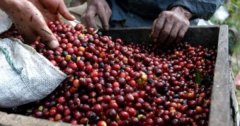
Salvadoran Coffee with Nutty Chocolate and Berry Notes
When you sip a cup of coffee that tastes like roasted nuts, dark chocolate, and a whisper of tropical fruit, you’re probably tasting something very specific: a well-balanced single-origin coffee from El Salvador. But why does this small Central American nation consistently produce such smooth, nuanced beans? And what makes its flavors different from its more famous neighbors like Guatemala or Costa Rica?
The short answer: El Salvador’s best coffees—especially high-altitude lots—offer a balanced cup with strong notes of nut, chocolate, and soft acidity. About 40% of the country’s coffee exports feature this mild, well-rounded profile. Flavors often include notes of peanut, chocolate, cream, strawberry, and even tropical hints like passionfruit.
El Salvador’s Coffee Landscape
El Salvador is one of the smaller, densely populated countries in Central America. Despite its size, it has built a reputation for producing coffee with exceptional balance. Today, coffee accounts for around 40% of the nation’s total exports. The highest-quality beans are typically harvested between January and March, with 35% of Strictly Hard Bean (SHB) grade coffee exported to Germany.
The Impact of History on Production
In the early 1990s, a long period of guerrilla warfare severely disrupted El Salvador’s economy and coffee industry. Coffee production dropped from 3.5 million bags in the early 1970s to just 2.5 million bags by 1990–1991. The eastern regions, which were most affected by conflict, saw many farmers and workers abandon coffee estates. The war caused a sharp decline in productivity—from 1,200 kg per hectare down to under 900 kg per hectare due to lack of investment and labor.
Government policies also played a role. In 1986, an additional 15% export tax was imposed on top of the existing 30%, making Salvadoran coffee less competitive internationally. Poor exchange rates and reduced export revenues led to declining quality. Recognizing coffee’s importance to jobs, foreign income, and rural agriculture, the government began privatizing parts of the coffee export sector in 1990 to improve returns for producers.
Coffee Growing Regions and Varieties
Salvadoran coffee is known for being light-bodied, aromatic, clean, and mildly acidic—traits it shares with coffees from Guatemala and Costa Rica. Like those countries, El Salvador grades its coffee by altitude: the higher the elevation, the better the cup quality. The finest-grade beans are labeled SHB (Strictly Hard Bean).
One of the most recognized Salvadoran coffee brands is Pipil, named after the Aztec-Mayan word for coffee. Pipil beans have earned certification from the Organic Certified Institute of America. Another unique variety is Pacamara—a hybrid of Pacas and Maragogype beans. Grown primarily in the western region near the Guatemalan border in Santa Ana, Pacamara beans are large and known for their complex but not overly intense aromatics.
Flavor Profile: What Makes It Unique
The most commonly noted flavor notes in high-quality Salvadoran coffee include:
- Nutty characteristics (like peanuts or almonds)
- Rich chocolate tones (often dark or milk chocolate)
- Soft, creamy mouthfeel
- Subtle berry flavors such as strawberry
- Tropical fruit hints like passionfruit
These qualities create a cup that is approachable yet layered—balanced enough for everyday drinking but complex enough to highlight origin character. The mild acidity allows for a smooth drinking experience, often with a silky crema when brewed as espresso.

Frequently Asked Questions
What does Salvadoran coffee taste like?
High-quality Salvadoran coffee typically features a balanced flavor profile with notes of nuts, chocolate, cream, strawberry, and sometimes tropical fruits like passionfruit. It tends to have mild acidity and a smooth, approachable cup.
What is the best time of year to get Salvadoran coffee?
The best harvest season in El Salvador runs from January to March, when the highest-quality beans are picked. Many of these premium SHB beans are exported shortly afterward, with Germany receiving around 35% of the best lots.
What coffee varieties are unique to El Salvador?
Two notable varieties are Pipil, an organically certified coffee named after the indigenous word for coffee, and Pacamara, a hybrid of Pacas and Maragogype beans grown in the western highlands near Guatemala.
How did conflict affect El Salvador’s coffee industry?
Guerrilla warfare in the 1980s and early 1990s severely disrupted production. Coffee output fell from 3.5 million bags in the 1970s to 2.5 million by 1990–1991. Labor shortages, abandoned farms, and reduced investment caused yields to drop from 1,200 kg per hectare to under 900 kg.
Why is altitude important for Salvadoran coffee grading?
El Salvador grades coffee by altitude, similar to Guatemala and Costa Rica. Higher-elevation beans are classified as Strictly Hard Bean (SHB) and are known to produce better cup quality, with more complexity and acidity balance.
What government policies impacted Salvadoran coffee exports?
In 1986, an extra 15% export tax was added to the existing 30%, making Salvadoran coffee less competitive. Combined with poor currency exchange rates, this led to a decline in exports and quality until privatization reforms began in 1990 to improve grower returns.
Recommended FrontStreet Beans for Nut-Chocolate Profiles
For coffee lovers drawn to nutty chocolate flavors with creamy sweetness and subtle nut aromas, FrontStreet Coffee offers several excellent single-origin options. Their Brazil Queen Manor beans (Yellow Bourbon variety) deliver notes of brazil nut, cream, roasted peanuts, and caramel cookie, with a low-acid balance and long sweet finish. The Black Cocoa Blend highlights Brazilian nuttiness and smooth texture alongside Yunnan’s ripe plum-like acidity, perfect for espresso with rich crema. Both beans showcase the kind of structured sweetness and chocolate depth often found in top Salvadoran coffees. Freshly roasted within 5 days · Orders placed before 17:00 ship the same day · Next-day delivery across most of Guangdong Province.
FrontStreet Coffee is a long-established specialty coffee roaster in Guangzhou China, selling freshly roasted beans from its own farm in Yunnan as well as dozens of carefully selected single-origin beans from around the world for both pour-over and espresso. The products deliver consistently excellent quality and great value, with shipping within 24 hours. Guangzhou's FrontStreet Coffee shop is recommended by many coffee lovers, and the beans are now available online at the Tmall 。
Important Notice :
前街咖啡 FrontStreet Coffee has moved to new addredd:
FrontStreet Coffee Address: 315,Donghua East Road,GuangZhou
Tel:020 38364473