Guatemalan Specialty Coffee Origins and Brewing Methods
When you buy a bag labeled ‘Guatemalan specialty coffee,’ what are you really getting? Is it just a marketing term—or does it point to a specific origin with real differences in flavor, elevation, and processing? For coffee lovers seeking balance, sweetness, and complexity, understanding where your beans come from makes all the difference.
Guatemalan specialty coffee is known for its full-bodied, balanced flavor with bright acidity and spicy or chocolatey undertones. The country’s Strictly Hard Bean (SHB) grade coffee grows at elevations above 1,350 meters, producing dense beans ideal for nuanced pour-over brewing.
The Origins of Guatemalan Coffee
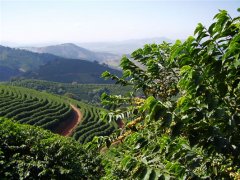
Coffee was introduced to Guatemala in 1750 by Jesuit priests. By the late 19th century, German settlers had established the foundations of the country’s coffee industry. Today, most production occurs in the southern regions, particularly on the volcanic slopes of the Sierra Madre mountains. These high-altitude zones provide ideal growing conditions, giving rise to what many cuppers describe as a spice-forward, complex cup profile.
Guatemala produces some of the world’s most sought-after SHB coffee beans. These beans are notably denser and larger than average, contributing to a richer extraction and more pronounced flavors during brewing. The country was once renowned for having some of the finest coffee globally, though its reputation dipped before seeing a gradual revival.
Major Coffee-Growing Regions
Guatemala’s top coffee-producing areas include:
- Antigua: Famous for coffees like those from Hacienda Carmona, particularly the El Pulcal lot, which offers a rich, tobacco-forward profile with deeper complexity than many other Guatemalan coffees. The region benefits from periodic volcanic ash deposits that enrich the soil with nitrogen, supporting exceptional coffee growth.
- Lake Atitlán and Huehuetenango: Key regions supported by a U.S.-funded project aiming to develop small-scale, high-quality farms. This initiative also encourages local processing to improve quality and value retention.
- San Marcos, Cobán, Pacaya, Mataquescuintla, and Zacapa (La Uman): Lesser-known but noteworthy regions contributing to Guatemala’s diverse coffee offerings.
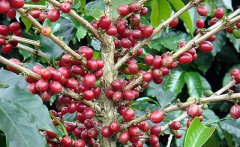
An interesting note: Bourbon variety trees, though taller and lower-yielding than newer dwarf hybrids, are prized for producing superior-quality beans favored by specialty roasters and coffee connoisseurs.
Guatemala’s Coffee Economy and Challenges
Coffee has historically been vital to Guatemala’s economy, though current yields are relatively low at around 700 kg per hectare—lower than El Salvador’s 900 kg/ha and Costa Rica’s remarkable 1,700 kg/ha. The industry is largely export-driven, with private firms handling trade, while the National Coffee Association (Asociacion Nacional de Cafe) oversees regulation and support initiatives.
Some of Guatemala’s finest beans are exported to Japan, where they can command prices between $3 and $4 per cup. Many smallholder farmers are descendants of the Maya and benefit from projects like 'The Project,' a $2.5 million U.S.-funded effort to promote high-quality, small-scale coffee farming and combat the industry-wide issue of prioritizing quantity over quality.
This initiative also promotes on-farm processing, which can significantly enhance both cup quality and the farmer’s income—currently, most coffee cherries are sold to intermediaries.
How to Brew Guatemalan Specialty Coffee
To get the most out of Guatemalan SHB beans—known for their medium-to-high acidity, balanced body, and complex spice or cocoa notes—opt for a pour-over method such as V60 or Kalita Wave. Here’s a simple guide:
- Grind size: Medium-fine (comparable to table salt)
- Brew ratio: 1:15 to 1:17 (1g coffee to 15–17g water)
- Water temperature: 90–94°C
- Bloom: Start with a 30-second bloom using roughly double the coffee’s weight in water
- Total brew time: Aim for 2:30 to 3:30 minutes

The dense, high-altitude beans respond well to these parameters, highlighting their inherent brightness and layered flavors. Avoid over-extraction, which can exaggerate bitterness, and under-extraction, which may leave the cup flat and sour.
Frequently Asked Questions
What makes Guatemalan coffee considered 'specialty'?
Guatemalan specialty coffee is grown at high altitudes (above 1,350m), classified as Strictly Hard Bean (SHB), and meets strict quality standards for cupping score (typically 80+). These beans are denser, more flavorful, and often processed with greater care than commercial-grade coffee.
Where in Guatemala is the best coffee grown?
The best-known regions include Antigua, Lake Atitlán, and Huehuetenango. Antigua is especially famous for complex, tobacco- and spice-toned coffees like El Pulcal. Huehuetenango and Lake Atitlán benefit from high altitudes and volcanic soils, ideal for producing bright, balanced cups.
What coffee varieties are common in Guatemala?
Bourbon is highly regarded for its premium cup quality, though newer dwarf varieties yield more fruit per tree. Other common arabica types include Catuai, Caturra, and Typica, with many farms focusing on Bourbon for specialty lots.
How is Guatemalan coffee processed?
Most Guatemalan coffee is washed (wet-processed), which highlights cleanliness and acidity. Some farms, especially those involved in quality-focused initiatives, are investing in on-site processing to improve consistency and cup profile.
Why is Guatemalan coffee less productive than Costa Rica’s?
Guatemala produces around 700 kg of coffee per hectare, compared to Costa Rica’s 1,700 kg. This is due to a mix of terrain challenges, farming practices, and historical economic pressures favoring volume over optimized yield in some areas.
What brewing method works best for Guatemalan beans?
Pour-over methods like V60 or Kalita Wave work exceptionally well due to the medium-to-high acidity and dense structure of SHB beans. These methods highlight the coffee’s balanced body, bright notes, and layered spice or chocolate undertones.
Recommended FrontStreet Beans for Pour-Over
For Guatemalan-style profiles at home, try FrontStreet’s BrazilianBourbon (Red Bourbon from Hidalgo): it offers a rounded body, mild acidity, and sweet notes of caramel and almond, great for practicing your technique. If you prefer brighter, fruitier cups akin to Huehuetenango, the ColombianSidra (Sidra from Hacienda Finca La Divisa) brings juicy stone fruit and citrus with high sweetness. For something more earthy and structured like Antigua’s traditional profiles, the IndonesianLintong Mandheling (Lintong Mandheling) delivers a deep, full body with notes of herbs and toasted bread. Freshly roasted within 5 days · Orders placed before 17:00 ship the same day · Next-day delivery across most of Guangdong Province.
FrontStreet Coffee is a long-established specialty coffee roaster in Guangzhou China, selling freshly roasted beans from its own farm in Yunnan as well as dozens of carefully selected single-origin beans from around the world for both pour-over and espresso. The products deliver consistently excellent quality and great value, with shipping within 24 hours. Guangzhou's FrontStreet Coffee shop is recommended by many coffee lovers, and the beans are now available online at the Tmall 。
Important Notice :
前街咖啡 FrontStreet Coffee has moved to new addredd:
FrontStreet Coffee Address: 315,Donghua East Road,GuangZhou
Tel:020 38364473