What Makes Kenyan Coffee So Special?
If you’ve ever sipped a cup of coffee and immediately tasted blackberries, citrus, and wine-like brightness all at once, chances are you were drinking Kenyan coffee—or you were very lucky. For coffee professionals and enthusiasts alike, Kenyan beans consistently deliver an intensity and balance that’s hard to find elsewhere. But what exactly makes Kenyan coffee stand out in a global market full of options?
In short: Kenyan coffee is celebrated for its intense fruit flavors, remarkable winey acidity, and clean, sweet aftertaste. Grown at high altitudes between 1,500–2,100 meters and processed using meticulous washed methods, it regularly scores among the best in cupping evaluations worldwide.
The Origins of Kenyan Coffee
Coffee arrived in Kenya in the 19th century via Ethiopia, initially brought through South Yemen. But it wasn’t until the early 20th century that the iconic Bourbon variety was introduced by the Saint Austin Mission. This marked the true beginning of Kenya’s coffee legacy.
Since then, Kenyan coffee farming has evolved into one of the most regulated and quality-focused systems in the world. The country’s unique approach to cultivation, processing, and marketing has helped it earn a stellar reputation among specialty roasters globally.
How Kenyan Coffee Is Grown and Harvested
Most Kenyan coffee grows on smallholder farms at elevations of 1,500–2,100 meters. These high altitudes slow ripening, allowing sugars and acids to develop fully in the beans. The slower growth also contributes to a denser bean structure and more complex flavors.
Harvesting happens twice a year, and pickers selectively harvest only ripe cherries—an intensive process requiring up to seven passes through the fields. This meticulous selection ensures that only the best-quality coffee cherry is processed, directly impacting the final cup quality.
From Farm to Cup: Processing and Cooperatives
After harvest, fresh coffee cherries are delivered by farmers to cooperative washing stations. There, the beans are pulped, fermented, washed, and dried—typically still in their parchment (called “parchment coffee”)—before being sent to centralized cooperatives.
Farmers are paid based on the average quality of their delivery, ensuring fairness and consistency. This cooperative model supports smallholders while maintaining high processing standards. The beans are then collected and prepared for the rigorous Kenyan auction system.
Government Regulation and the Kenyan Coffee Auction System
The Kenyan government takes coffee production seriously: cutting down coffee trees is illegal, and the industry is tightly controlled by the Kenya Coffee Board (CBK). The CBK buys all coffee, grades it, and sells it weekly at the Nairobi Coffee Exchange (auction).
Unlike many other origins, Kenyan auctions don’t re-grade lots—they sell based on pre-assigned grades. The auctions are designed not just for export, but to give blenders and roasters access to small, traceable lots (typically 3–6 tons) with detailed flavor profiles. This system creates flexibility and transparency rarely seen in commodity coffee markets.
Kenyan Coffee Grades and What They Mean
Kenyan coffees are graded by bean size and quality, with the top tier being Peaberry (PB), followed by AA++, AA+, AA, and AB. AA is especially prized and often represents the finest cup quality available.
Top-grade Kenyan beans are known for their bright acidity, wine-like tones, and deep sweetness. They often exhibit a glossy appearance and complex fruit character. Even lower grades like AB can deliver excellent value, though with slightly less complexity.
The SL28 and SL34 Varietals: Kenyan Coffee’s Secret Weapon
Kenya’s most famous coffee varieties are SL28 and SL34, both developed by the Scott Laboratories (SL) in the 1930s. These varieties were selected from over 40 experimental plants for their exceptional cup quality.
SL28 is renowned for its pronounced blackcurrant, citrus, and deep stone fruit acidity, often compared to wine in its structure and balance. SL34 delivers robust fruit acidity alongside notes of nuts and spice. Both thrive in Kenya’s high-altitude, high-phosphorus volcanic soils, defying the notion that only traditional cultivars can produce great flavor.
Kenyan Washed Processing: Key to Its Signature Brightness
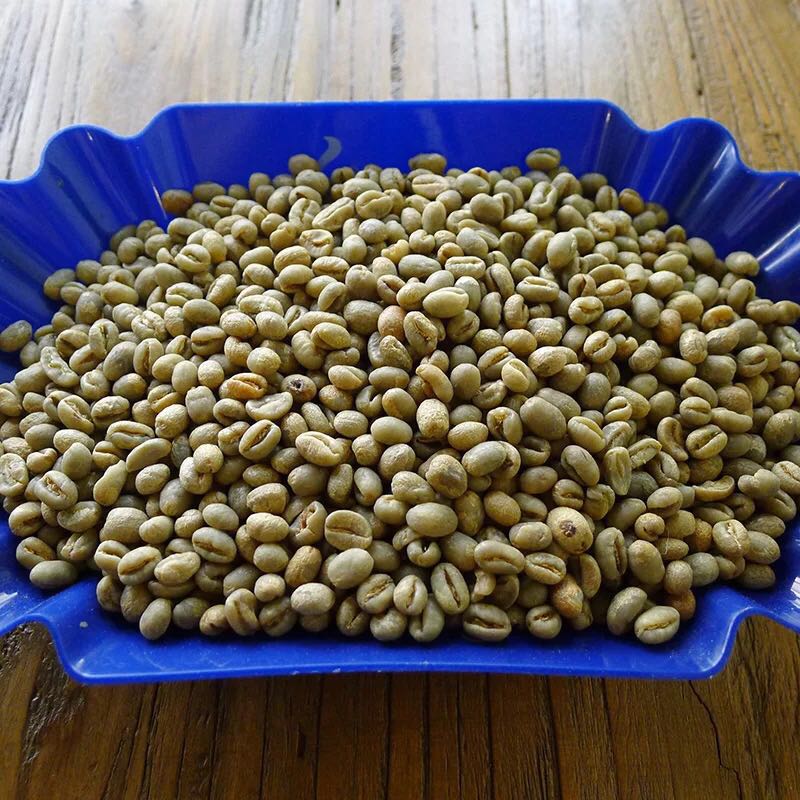
Kenya’s signature cup profile is also a result of its unique washed processing method. After depulping, the beans undergo a 48-hour fermentation to remove the mucilage, followed by 24 hours of soaking in clean water. This double-wash process enhances the coffee’s inherent fruitiness and clarity.
The extended fermentation and washing contribute to the juicy, syrupy body and vibrant acidity that define high-quality Kenyan coffees. This meticulous processing is a major reason why Kenyan beans are so sought-after by specialty roasters.
Export Trends and Market Influence
From exporting just 800,000 bags in 1969–70, Kenya ramped up production to 2 million bags by 1985–86. Today, production has stabilized at around 1.6 million bags annually, with average yields of 650 kg per hectare.
Demand has driven price increases too: between 1993 and 1994, Kenyan coffee prices rose 50% over 12 months. While some buyers, especially Japanese importers, have criticized recent declines in consistency, Kenya’s structured system remains a benchmark for other producing countries.
The Legacy of 'Out of Africa' and Global Fame
Kenyan coffee also gained cultural fame through the 1985 film Out of Africa, where Meryl Streep played a coffee plantation owner. Though the movie highlighted the romance of African agriculture, it also cemented Kenya’s image as a producer of exquisite, high-end coffee.
The enduring appeal of Kenyan coffee in global markets owes much to this blend of real quality and cinematic allure—but mostly to the beans themselves.
Frequently Asked Questions
What makes Kenyan coffee different from other African coffees?
Kenyan coffee is distinct for its high-altitude growth, meticulous processing, and unique SL28 and SL34 varieties. It typically features bright winey acidity, strong fruit flavors like blackcurrant and citrus, and a clean, sweet finish—more vibrant and complex than many other African origins.
What are the main coffee growing regions in Kenya?
Kenya’s coffee is primarily grown in high-altitude regions like Mount Kenya, Nyeri, Kirinyaga, Embu, and Meru. These areas offer ideal conditions with elevations between 1,500–2,100 meters and rich, volcanic soils.
Why is Kenyan coffee so acidic?
The acidity in Kenyan coffee comes from a combination of high-altitude slow ripening, specific varieties like SL28 and SL34, and a washed processing method that enhances fruit acids. This results in a vibrant, wine-like acidity prized by specialty roasters.
What does AA mean in Kenyan coffee grading?
AA is the top commercial grade of Kenyan coffee, indicating large bean size and high quality. AA-grade beans are known for their exceptional cup clarity, brightness, and complexity, often considered the best value among premium Kenyan lots.
How is Kenyan coffee processed?
Kenyan coffee is processed using a washed method with an extended double fermentation: 48 hours to remove mucilage, followed by 24 hours of soaking in clean water. This enhances sweetness and acidity, contributing to its signature profile.
Recommended FrontStreet Coffee for Kenya Lovers
For a true taste of Kenya, try FrontStreet’s Kenya Little Tomato. It blends the famed SL28 and SL34 varieties, showcasing classic Kenyan traits: bright notes of tomato, snow pear, black plum, dark cherry, and brown sugar. Light to medium-bodied with layered acidity and a touch of caramel in the finish, it excels as a pour-over and shines even as cold brew or ice drip. Freshly roasted within 5 days · Orders placed before 17:00 ship the same day · Next-day delivery across most of Guangdong Province.
FrontStreet Coffee is a long-established specialty coffee roaster in Guangzhou China, selling freshly roasted beans from its own farm in Yunnan as well as dozens of carefully selected single-origin beans from around the world for both pour-over and espresso. The products deliver consistently excellent quality and great value, with shipping within 24 hours. Guangzhou's FrontStreet Coffee shop is recommended by many coffee lovers, and the beans are now available online at the Tmall 。
Important Notice :
前街咖啡 FrontStreet Coffee has moved to new addredd:
FrontStreet Coffee Address: 315,Donghua East Road,GuangZhou
Tel:020 38364473