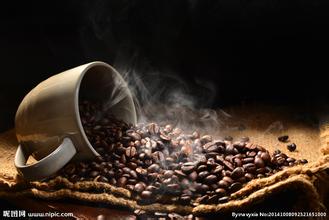
What Makes Yemeni Mocha Coffee Beans Unique
You've heard of Mocha coffee—but do you know what really makes it different? The term "Mocha" isn't just a chocolatey latte; it refers to a specific style of coffee bean with roots stretching back to the very beginning of global coffee trade. These beans, often small and oddly shaped, have a flavor unlike anything grown in Latin America or Asia. But what exactly sets them apart? Let's break it down.
Mocha coffee beans are notably smaller and rounder than most, often compared to Peaberry beans or those from Ethiopia’s Harrar region. They typically feature high acidity, a peppery spiciness, and a distinctive touch of chocolate—traits that make them stand out in the cup.
The Origins of Mocha Coffee
Before the 6th century, the region now known as Yemen was called Arabia, and the coffee trees grown there were referred to as 'Arabian coffee trees.' But their true origin lies in Ethiopia. It was the Dutch who later spread these trees around the world. In the late 1600s, Dutch traders transported coffee trees from Yemen—via the Cape of Good Hope and along the east coast of Africa—to India, then to Ceylon (Sri Lanka), and eventually Java. This marked the beginning of Yemeni coffee’s global influence.
What Makes Mocha Coffee Beans Different
Mocha coffee beans are famously small and nearly spherical in shape—so much so that they’re often visually confused with Peaberry beans. Their appearance is similar to that of Ethiopia’s Harrar beans: small, high in acidity, and carrying an unusual, hard-to-describe spicy note. Beyond the spice, many tasters also detect a faint trace of chocolate, which historically influenced the practice of adding chocolate to coffee drinks. This unique flavor profile makes Mocha beans instantly recognizable to experienced palates.

Growing & Processing Traditions in Yemen
In Yemen, coffee farmers often plant shade trees like poplars to protect the coffee plants, which are cultivated on steep terraced hillsides. These farming methods help maximize limited rainfall and poor soil. While Typica and Bourbon varieties are planted, more than ten other Ethiopian-origin coffee landraces are also cultivated in the region. Despite the quality potential of beans from areas like Mattari, many high-grade Yemeni coffees—including fine Mochas—are still processed traditionally.
After drying, the coffee beans are frequently hulled using stone mills. This traditional method often leaves the beans misshapen and can cause physical damage. Additionally, the dried fruit often remains partially attached to the bean, resulting in an inconsistent and non-uniform appearance. Unlike more industrialized origins, most Yemeni coffee grows without irrigation or chemical inputs, due to limited grower resources.
Flavor Profile & Regional Variations
Yemeni Mocha coffee is generally described as smooth, fragrant, and complex. However, quality can vary significantly, and grading standards remain unclear. Traditionally, the most sought-after Yemeni Mocha beans come from the regions of Mattari (considered the best), Sharki (second), and Sanani. These beans are known for low caffeine content and are typically harvested and exported between December and April.
A major historic issue was the blending of superior northern beans with inferior ones before export from the southern port of Aden. For guaranteed origin authenticity, beans shipped from the port of Hodeida are confirmed to come from the north. Despite their inconsistent grading, true high-grade Yemeni Mocha beans offer a distinctive and memorable cup, rooted in centuries of tradition.
How to Brew Mocha Coffee Beans
While Mocha coffee beans can shine in various brewing methods, they are particularly well-suited for methods that highlight their bold, spice-and-chocolate character. Pour-over methods like V60 or Chemex can emphasize their acidity and floral notes, while French press or espresso can bring out their deeper, spicier tones. Due to their often irregular shapes, a slightly coarser grind is advisable to avoid over-extraction. A medium roast is common, though some traditional roasters may use a darker roast to enhance the chocolate notes.
Frequently Asked Questions
Are Mocha coffee beans actually from Mocha, Yemen?
Yes. The term "Mocha" originally referred to coffee from the port city of Mocha (Al-Makha) in Yemen. While today it’s often associated with chocolate-flavored drinks, historically it denoted coffee beans exported from this port—many of which shared distinct flavor profiles including spice and natural chocolate notes.
Why are Mocha coffee beans so small and round?
Mocha coffee beans are naturally small and often nearly spherical, which is why they’re frequently compared to Peaberry beans. This physical trait is common among certain Ethiopian landrace varieties grown in Yemen, particularly those from regions like Harrar and Mattari.
Do Mocha beans taste like chocolate?
Many tasters detect a faint chocolate-like flavor in high-quality Mocha coffee beans, especially those from Yemen. This subtle trait is one reason chocolate was later paired with coffee in beverages, and it contributes to the historical connection between Mocha coffee and mocha-flavored drinks.
Which Yemeni regions produce the best Mocha coffee?
Traditionally, the best Mocha coffee is said to come from the Yemeni region of Mattari, followed by Sharki and then Sanani. These regions are known for producing beans with distinctive profiles, often described as acidic, spicy, and sometimes with a hint of cocoa.
Are Mocha coffee beans hard to find?
Yes, authentic Yemeni Mocha coffee beans can be difficult to find due to limited production, inconsistent grading, and challenges in export consistency. High-quality beans are often sold as single-origin offerings from specialty roasters and may vary in availability.
Can I use Mocha beans in a moka pot?
Absolutely. Mocha coffee beans work very well in a moka pot, especially beans with a balanced acidity and some natural sweetness or chocolate notes. A medium roast and a slightly coarser grind are recommended to get the best extraction from your moka pot.
Recommended FrontStreet Beans for Moka Pot
For your moka pot, try FrontStreet Coffee’s Classic Blend—it’s designed specifically for stovetop brewers, producing rich crema and a full-bodied profile with notes of dark chocolate and nuttiness. Alternatively, the Black Cocoa Blend offers a bold, approachable cup with strong cocoa and caramel tones at an excellent price point. Both are 100% Arabica and ideal for extracting the deep flavors a moka pot is known for. Freshly roasted within 5 days · Orders placed before 17:00 ship the same day · Next-day delivery across most of Guangdong Province.
FrontStreet Coffee is a long-established specialty coffee roaster in Guangzhou China, selling freshly roasted beans from its own farm in Yunnan as well as dozens of carefully selected single-origin beans from around the world for both pour-over and espresso. The products deliver consistently excellent quality and great value, with shipping within 24 hours. Guangzhou's FrontStreet Coffee shop is recommended by many coffee lovers, and the beans are now available online at the Tmall 。
Important Notice :
前街咖啡 FrontStreet Coffee has moved to new addredd:
FrontStreet Coffee Address: 315,Donghua East Road,GuangZhou
Tel:020 38364473