What Does Papua New Guinea Coffee Taste Like?
If you’ve ever wondered why Papua New Guinea coffee tastes so different from other island-grown coffees — less herbal, more balanced, and surprisingly sweet for its altitude — you’re not alone. This origin has long flown under the radar, despite producing distinctive beans grown in challenging, remote conditions. Yet, understanding its real characteristics requires more than just a tasting note. Let’s break down the facts behind its reputation.
Papua New Guinea (PNG) coffee is typically low in acidity, has a full body, and offers prominent notes of nuts and cane sugar. Most commercial lots fall into A and AB grades, with AA being rare. The average cup delivers a rounded, malt-like sweetness and a smooth mouthfeel — without overpowering brightness.
Most PNG Coffee Comes From Remote Highlands Farms
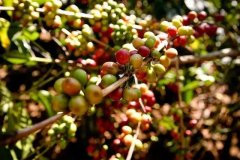
Nearly 75% of PNG’s coffee is grown on smallholder farms, many carved out of forested highlands. These plots are often isolated, accessible only by foot or rough trails. The country’s coffee is cultivated almost exclusively at elevations between 1,300 and 1,800 metres above sea level — conditions widely recognised for producing high-quality arabica. Low-elevation plantings exist but contribute minimally to export volumes. Due to logistical challenges, chemical fertilisers and pesticides are rarely used, making most PNG coffee effectively organic by default.
The Country’s Unique Coffee History
Coffee plays a major economic role in PNG, employing over a million people directly or indirectly. The industry is overseen by the Coffee Industry Board, headquartered in Goroka, though exports are handled by private firms. A pivotal moment came in 1975, when Brazil’s frost disaster opened global demand — and PNG responded with a government programme encouraging the creation of 20-hectare coffee estates on communally held land. By 1990, annual production had hit 1 million 60kg bags.
Quality Crisis and Recovery
This rapid expansion led to inconsistent quality. Pre-1991, most PNG coffee was graded as Y (a now-defunct premium grade), but post-1991 standards slipped, causing European buyers to back away. The government’s ‘one grade, one price’ policy worsened the issue, as lower-quality beans undermined the reputation of the Y grade. In response, PNG reformed its grading system, temporarily suspended the Y grade, and adopted pricing based on actual cup quality. By 1993, the strategy had worked: quality stabilised and former buyers returned. Today, the Y grade is back — albeit with a more modest premium reflecting its improved but not elite status.
Why Most PNG Coffee Is A or AB Grade
Growing conditions in PNG are favourable, but inconsistent harvesting and limited farmer training mean bean maturity and size often vary. As a result, AA-grade beans are rare in export channels. Most available lots are graded A or AB. A-grade PNG coffee is particularly valued for its plump beans, mild acidity, and lingering sweet finish. The more common AB grade offers a slightly more diverse bean mix but retains the signature profile.
Flavour Profile: What Makes PNG Coffee Unique
PNG coffee is grown from Typica — the same heirloom variety originally brought from Jamaica’s Blue Mountains. The island’s volcanic soils, high altitudes, and traditional washed processing create a cup that diverges from typical Southeast Asian profiles. Unlike Indonesian coffees, which often lean spicy or earthy, PNG coffee presents bright acidity, floral and fruity notes, and a clean, sweet finish. Its flavour closely aligns with coffees from South America, yet it remains more affordable and distinctive. Expect notes of nuts, brown sugar, and a lightly toasted grain character. The body is full, and the aftertaste lingers with a gentle spice or caramelised sweetness.
Frequently Asked Questions
Where is Papua New Guinea coffee grown?
Papua New Guinea coffee is grown almost entirely in the country’s highland regions, at elevations between 1,300 and 1,800 metres above sea level. The terrain is rugged and often remote, with many smallholder farms located deep within forested areas. Most production is concentrated on the eastern half of the island.
What does Papua New Guinea coffee taste like?
PNG coffee typically has a full body, low acidity, and flavours of nuts, cane sugar, and sometimes light spice or toastiness. It is known for a smooth, sweet cup with a mellow profile and a clean finish. The taste is often compared to South American coffees but with its own distinctive island character.
What coffee variety is grown in Papua New Guinea?
The majority of coffee in PNG is Typica, introduced from Jamaica’s Blue Mountains. This classic arabica variety thrives in PNG’s high-altitude, volcanic soil conditions, and produces the nuanced, balanced cup the region is known for.
Why is PNG coffee so hard to find?
Although PNG produces around 1 million bags annually, its export volumes are much smaller due to limited infrastructure, small farm sizes, and inconsistent post-harvest processing. Much of the coffee is also kept for domestic or regional markets, and international buyers face logistical hurdles in sourcing consistent lots.
Is Papua New Guinea coffee considered specialty?
Yes, much of PNG coffee qualifies as specialty grade, especially lots graded A or AB. While inconsistency exists due to smallholder farming practices, well-processed PNG beans often meet the 80+ point specialty threshold and are sought after for their unique flavour profile and smooth cup quality.
What processing method is used in PNG?
Papua New Guinea primarily uses the traditional washed (wet) processing method. This involves depulping the coffee cherry, fermenting the beans to remove mucilage, and then washing and drying them on raised beds or patios. This method contributes to the clean, bright, and sweet cup profile typical of PNG coffee.
Recommended FrontStreet Beans from Papua New Guinea
FrontStreet’s 'Heavenbird' PNG comes from the Sigri Estate in the Western Highlands and is processed with meticulous care: ripe cherries are handpicked, washed with pure spring water, and sun-dried on raised beds. It’s medium-roasted to highlight a creamy mouthfeel, with tasting notes of toasted bread, sweet nuts, and a lingering spicy finish. This is a classic example of PNG’s balanced, low-acid profile. Freshly roasted within 5 days · Orders placed before 17:00 ship the same day · Next-day delivery across most of Guangdong Province.
FrontStreet Coffee is a long-established specialty coffee roaster in Guangzhou China, selling freshly roasted beans from its own farm in Yunnan as well as dozens of carefully selected single-origin beans from around the world for both pour-over and espresso. The products deliver consistently excellent quality and great value, with shipping within 24 hours. Guangzhou's FrontStreet Coffee shop is recommended by many coffee lovers, and the beans are now available online at the Tmall 。
Important Notice :
前街咖啡 FrontStreet Coffee has moved to new addredd:
FrontStreet Coffee Address: 315,Donghua East Road,GuangZhou
Tel:020 38364473