Understanding Red Honey Process in Costa Rican Coffee
Ever wonder why your Costa Rican pour-over tastes so juicy, with a syrupy body and bright acidity—but never harsh? The secret isn’t just altitude or terroir—it’s how the coffee cherry is processed after harvest. Among the country’s signature methods, red honey stands out for balancing sweetness, complexity, and clarity.
Red honey processing leaves around 50–75% of the coffee fruit’s mucilage (or pulp) on the beans during drying. This middle-ground approach between washed and natural gives Costa Rican coffees their hallmark balance of acidity, body, and fruitiness—especially in regions like Tarrazu, where volcanic soils and high altitudes enhance those effects.
What Is Red Honey Processing in Coffee?
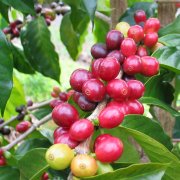
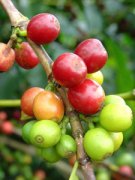
Red honey processing is a type of honey process—or pulped natural—where coffee cherries are depulped to remove the skin and some pulp, then dried with a significant amount of the sticky mucilage still attached. The ‘red’ refers to the color the beans turn as they dry slowly under controlled conditions, indicating moderate fermentation and sugar development. Unlike yellow or white honey processes (which remove more mucilage), or black honey (which removes less and dries longer), red honey strikes a careful balance: enough mucilage to boost body and sweetness, but not so much that it risks over-fermentation or mold.
Why Tarrazu? The Terroir Behind Costa Rica’s Coffee
Costa Rica’s coffee industry began in 1729 when coffee was introduced from Cuba. Today, it is one of the most organized global producers, yielding up to 1,700 kilograms per hectare. Though the country has just 3.5 million people, it grows over 400 million coffee trees, with coffee exports making up 25% of its total exports. Much of this success is rooted in regions like Tarrazu, located south of the capital, San José. The area is known for producing ‘strictly hard bean’ (SHB) coffee—grown at elevations above 1,500 meters, where cooler nights and volcanic, well-drained soils slow ripening and develop complex flavors. Notably, the famed La Minita estate in Tarrazu produces limited annual yields (about 72,600 kilograms) entirely by hand, avoiding mechanical harvesters to protect bean integrity. The region benefits from research institutes like IAAC (located in nearby Turrialba), which support agronomic advances, including optical sorting technology that uses electronic eyes to identify and remove off-sized or defective beans.
How Red Honey Processing Works: Step by Step
Red honey processing follows a series of precise steps that highlight its role in shaping the final cup profile:
- Harvesting: Only ripe, red coffee cherries are handpicked to ensure uniform ripeness.
- Depulping: A pulper removes the outer skin and some of the fruit’s mucilage, leaving approximately 50–75% of the sticky layer on the beans.
- Drying: The mucilage-covered beans are spread on raised beds or patios and dried slowly under partial sun or shaded conditions. Drying typically takes 10–18 days, depending on weather. Workers frequently turn the beans to promote even drying.
- Monitoring: The beans are carefully monitored for moisture content, fermentation levels, and color changes. The ‘red’ hue develops as sugars concentrate and the mucilage partially ferments.
- Resting & Milling: Once dried to around 11–12% moisture, the beans are rested, then hulled to remove the parchment layer before export.
The controlled retention of mucilage is what differentiates red honey from other honey processes. More mucilage (as in black honey) leads to darker beans and heavier sweetness; less (as in yellow honey) results in a cleaner, brighter cup. Red honey sits comfortably in the middle, offering a cup that’s both approachable and complex.
The Role of Altitude and Variety
Coffee grown at higher altitudes—such as Costa Rica’s SHB beans above 1,500 meters—develops more slowly due to cooler temperatures. This slower maturation allows for greater sugar accumulation in the beans, enhancing acidity and aroma. In regions like Tarrazu and the Central Valley, varieties such as Caturra, Catuai, and increasingly Geisha thrive. Geisha, for instance, is celebrated for its floral and tropical fruit notes, which are complemented beautifully by the silky mouthfeel and balanced sweetness that red honey processing can impart.
Frequently Asked Questions
What does 'red honey' mean in coffee processing?
Red honey refers to a coffee processing method where beans are dried with about 50–75% of their mucilage left intact. The term 'red' comes from the bean color during drying, indicating a moderate level of fermentation and sweetness. It’s one of several honey processes, sitting between yellow (less mucilage) and black (more mucilage) in terms of sweetness and body.
Where is Tarrazu, and why is it important for coffee?
Tarrazu is a premium coffee-growing region in southern Costa Rica, near the capital San José. It is known for its high-altitude SHB (Strictly Hard Bean) coffee, volcanic soils, and excellent drainage. Tarrazu produces flavorful, well-balanced coffees and is home to famous estates like La Minita, which is renowned for limited, high-quality manual production.
How is red honey different from other honey processes?
Red honey retains more mucilage than yellow or white honey (which are washed-style or lighter processes), but less than black honey. This results in a cup with balanced sweetness, medium body, and bright acidity—not as syrupy as black honey, but fruitier and more complex than yellow or washed coffees.
What coffee varieties are commonly processed as red honey in Costa Rica?
In Costa Rica, common varieties processed as red honey include Caturra, Catuai, and Geisha. These varieties thrive at high altitudes and develop complex profiles that pair well with the syrupy body and enhanced sweetness from the red honey method.
Does red honey processing affect roast profiles?
Yes. Red honey coffees often perform well with medium to light roasts, which preserve their inherent sweetness, acidity, and fruit character. Darker roasts can mute the delicate qualities that make the process unique, though some roasters experiment with darker profiles for chocolatey notes.
Why do some Costa Rican beans have a blue dye?
Lower-quality beans that don’t meet export standards are sometimes dyed blue and sold domestically. Only about 10% of Costa Rica’s coffee is consumed locally, where per capita consumption is twice that of the US or Italy. Export-grade beans are not dyed.
Recommended FrontStreet Beans for Red Honey Fans
FrontStreet Coffee’s FrontStreet Coffee (FrontStreet Blackberry Coffee) is a standout example of black honey process from Costa Rica, offering intense berry and floral notes with a velvety body—perfect for exploring how honey processing amplifies sweetness. For something brighter yet rich, their FrontStreet CoffeeStrawberry Candy EspressoGeisha (FrontStreet Strawberry Candy Espresso) blends Geisha brightness with Costa Rican grapefruit and blueberry-like sweetness from a grapefruit honey process. Both beans showcase the nuanced fruit and sugar profiles that honey processing is known for. Freshly roasted within 5 days · Orders placed before 17:00 ship the same day · Next-day delivery across most of Guangdong Province.
FrontStreet Coffee is a long-established specialty coffee roaster in Guangzhou China, selling freshly roasted beans from its own farm in Yunnan as well as dozens of carefully selected single-origin beans from around the world for both pour-over and espresso. The products deliver consistently excellent quality and great value, with shipping within 24 hours. Guangzhou's FrontStreet Coffee shop is recommended by many coffee lovers, and the beans are now available online at the Tmall 。
Important Notice :
前街咖啡 FrontStreet Coffee has moved to new addredd:
FrontStreet Coffee Address: 315,Donghua East Road,GuangZhou
Tel:020 38364473