What Makes Guatemalan Coffee Special? Flavor, Regions & History
If you’ve ever sipped a cup of coffee with a rich, spicy aroma and a well-balanced acidity that lingers just right, chances are you’ve had a taste of what makes Guatemalan coffee so distinctive. But what exactly gives these beans their signature profile—and why have they earned a global reputation, even after some ups and downs? Let’s break down the origins, varieties, and qualities that make Guatemalan coffee stand out.
In short: Guatemalan coffee is celebrated for its full, hearty beans with balanced flavor and bright acidity. The country’s high-altitude volcanic regions—especially Antigua and Huehuetenango—produce some of the world’s most complex single-origin coffees, often with spicy, wine-like, or tobacco notes. The best beans, like those classified as SHB (Strictly Hard Bean), come from elevations above 1,350 meters and are known for their dense structure and vibrant cup quality.
The Origins and Rise of Guatemalan Coffee
Coffee arrived in Guatemala in 1750, introduced by Jesuit priests. By the late 19th century, German settlers had established a thriving coffee industry. For generations, Guatemalan coffee enjoyed a reputation as some of the finest in the world—but that status declined for a time. Thankfully, the country’s coffee is now regaining its standing, thanks to renewed focus on quality, unique growing conditions, and dedicated smallholder producers.
Why Guatemalan Coffee Tastes Different
Guatemalan coffee is grown primarily in the southern regions of the country, especially along the slopes of the Sierra Madre volcanoes. These high-altitude zones—often exceeding 1,350–2,000 meters—create ideal conditions for cultivating what’s known as SHB (Strictly Hard Bean) coffee. The cooler temperatures slow cherry maturation, leading to denser beans with more complex sugars and acids.
The resulting cup is typically full-bodied, with a bright yet balanced acidity. Tasters often detect nuanced flavors like spices, nuts, chocolate, citrus, and sometimes even tobacco or wine-like tones. Compared to other origins, expert palates frequently favor Guatemalan beans for their layered, spice-inflected profiles and their distinctive “giant bean” size, which can impact roast development and extraction dynamics.
Key Coffee-Growing Regions in Guatemala
Several regions define Guatemala’s coffee identity, each contributing unique flavor attributes:
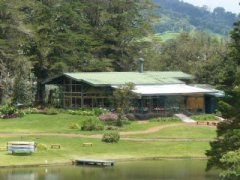
- Antigua: Home to the famous Hacienda Carmona and its prize lot, El Pulcal. Antigua coffees are bold, deep, and tobacco-forward, with a heavier mouthfeel. The region benefits from periodic volcanic ash deposits that replenish soil nutrients, as well as consistent rainfall and sunlight.
- Huehuetenango: One of the highest-altitude regions, reaching up to 2,000 meters. Coffees here are known for their bright acidity, floral notes, and fruity complexity. The area is shielded by mountains, creating a unique microclimate.
- Lake Atitlán and San Marcos: These zones also produce high-quality lots, often with vibrant acidity and distinctive regional terroir. Other notable areas include Acatenango, Cobán, and Zacapa’s La Uman.
Volcanic soils across these regions are rich in nitrogen due to periodic eruptions (roughly every 30 years in places like Antigua), further enhancing the fertility and resulting coffee complexity.
Challenges and Innovations in Guatemala’s Coffee Sector
Despite its prestige, Guatemalan coffee faces obstacles. The national average yield is around 700 kg per hectare—lower than El Salvador (900 kg/ha) and Costa Rica (1,700 kg/ha). Most production is controlled by private export firms, though the National Coffee Association (Asociación Nacional del Café) oversees industry regulation.
A significant portion of premium Guatemalan beans is exported to Japan, where consumers pay premium prices (around $3–4 per cup). Meanwhile, many smallholders—often of Mayan descent—are benefiting from a $2.5 million U.S.-funded initiative called “The Project.” This effort encourages small-scale, high-quality farming and aims to break the cycle of high-volume, low-quality production.
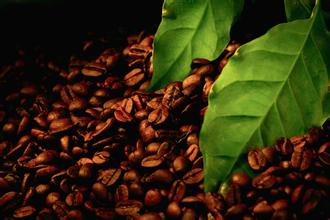
One goal is to revive interest in traditional varieties like Bourbon, which, although lower-yielding than newer dwarf hybrids, produce superior cup quality and are favored by specialty roasters. The project also promotes local processing to increase value retention—a shift from selling mostly unprocessed cherries to intermediaries.
Frequently Asked Questions
What makes Guatemalan coffee different from other origins?
Guatemalan coffee is typically grown at high altitudes (1,350+ meters), often on volcanic soils, producing dense SHB beans. These factors contribute to a full body, bright and balanced acidity, and complex flavors such as spices, citrus, chocolate, nuts, and sometimes tobacco or wine notes. The terroir varies by region, with Antigua offering bold, smoky profiles and Huehuetenango showcasing bright, fruity acidity.
Which Guatemalan coffee region is best known for quality?
Antigua is the most famous Guatemalan coffee-growing region, known for producing deep, tobacco-forward, and full-bodied coffees. The nearby Lake Atitlán, Huehuetenango, and San Marcos regions are also highly regarded, each offering distinct cup profiles due to variations in altitude, climate, and soil.
Why is Guatemalan coffee sometimes more expensive?
High-quality Guatemalan beans, especially those from regions like Antigua, are produced at high altitudes with careful farming practices. Limited yields, volcanic soil enrichment, and export demand—particularly to markets like Japan where cups can cost $3–4—contribute to higher prices. Specialty lots often involve meticulous processing and sorting, adding to costs.
What are SHB beans and why do they matter?
SHB stands for Strictly Hard Bean, a classification for coffee grown at elevations above 1,350 meters. These beans grow more slowly, becoming denser and developing more complex sugars. SHB beans are associated with brighter acidity and more intense, nuanced flavors—key traits in top-tier Guatemalan coffees.
How is the Guatemalan coffee industry evolving?
The sector is shifting focus from quantity to quality. Programs like “The Project” aim to support smallholder farmers, revive traditional varieties like Bourbon, encourage local processing, and improve cup quality. Though yields remain lower than neighboring countries, there’s growing international recognition for Guatemala’s specialty offerings.
Recommended FrontStreet Beans for Guatemalan Coffee Fans
If you're exploring Guatemalan-style profiles, try FrontStreet Coffee's Brazilian Hailuo Red Bourbon for a smooth, medium-roast option with creamy body, mild acidity, and notes of nuts and caramel—great for understanding balanced, sweet profiles common in Central American coffees. For brighter, fruitier notes akin to Huehuetenango, the Colombian Sidra from FrontStreet offers complex sweetness with stone fruit and citrus layers. Both beans showcase the kind of clarity and balance typical of high-quality single-origin lots. Freshly roasted within 5 days · Orders placed before 17:00 ship the same day · Next-day delivery across most of Guangdong Province.
FrontStreet Coffee is a long-established specialty coffee roaster in Guangzhou China, selling freshly roasted beans from its own farm in Yunnan as well as dozens of carefully selected single-origin beans from around the world for both pour-over and espresso. The products deliver consistently excellent quality and great value, with shipping within 24 hours. Guangzhou's FrontStreet Coffee shop is recommended by many coffee lovers, and the beans are now available online at the Tmall 。
Important Notice :
前街咖啡 FrontStreet Coffee has moved to new addredd:
FrontStreet Coffee Address: 315,Donghua East Road,GuangZhou
Tel:020 38364473