Yemen Mocha Coffee Beans: What Makes Them Unique
If you’ve ever seen a tiny, round coffee bean that looks more like a pea than a typical flat bean, you might have stumbled across Yemeni Mocha—sometimes mistaken for a peaberry. These distinctive beans are known for their bold flavors, yet their quality can be wildly inconsistent. What makes Yemen Mocha beans so unique, and why do they still matter in specialty coffee today?
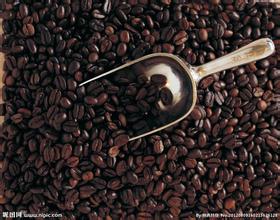
Yemen Mocha coffee beans are notably small and often roundish, sometimes confused with peaberries. They typically exhibit high acidity, a spicy complexity, and subtle chocolate notes. Their unique flavor profile—combined with traditional processing methods—makes them stand out, though quality varies significantly by region and harvest.
What Are Yemen Mocha Coffee Beans?
Yemen Mocha beans are small and frequently rounded in shape, often leading to confusion with peaberry beans—which are sometimes informally called “Mocha.” They share visual similarities with Ethiopian Harrar beans: both are petite, high in acidity, and present a wild, spicy character with hints of chocolate. This natural chocolate note is one reason why early chocolate-coffee pairings became common.
Traditional Growing & Processing in Yemen
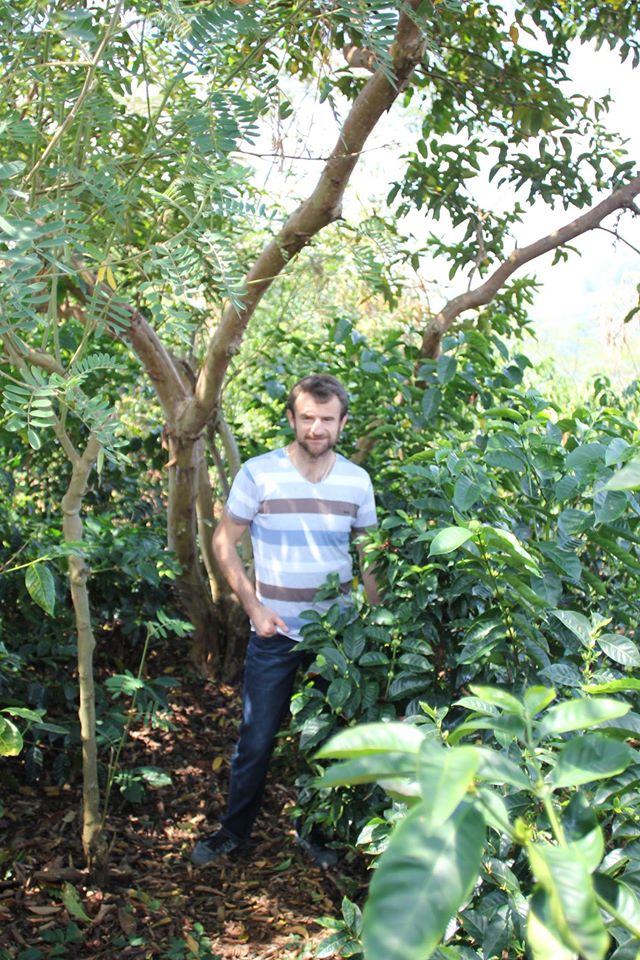
In Yemen, coffee farmers often plant shade trees like poplars on steep terraces to cope with limited rainfall and poor soil. Among the varieties grown are Typica and Bourbon, along with over ten other Ethiopian landraces. However, even high-quality Yemeni beans—including premium Mocha—often dry with the fruit husk still attached to the bean. Traditional stone mills are used to remove the dried husk, a method that leaves beans irregularly shaped and sometimes damaged.
Why Mocha Coffee Quality Varies So Much
Despite their aromatic, wine-like qualities, Yemeni coffees suffer from inconsistent grading and quality control. Historically, the best Mocha beans come from the Mattari region, followed by Sharki and then Sanani. These beans are naturally low in caffeine and are typically harvested between December and April. A major issue has been the blending of inferior beans from the south into shipments labeled as northern-origin, especially when routed through the port of Aden. Only coffee shipped from the port of Hodeida can be confirmed to be from northern growing regions. Most Yemeni coffee is grown without irrigation or inputs due to limited grower resources.
Frequently Asked Questions
What are Mocha coffee beans?
Mocha coffee beans are small, often roundish beans primarily sourced from Yemen. They are frequently confused with peaberries due to their shape and are known for high acidity, spicy complexity, and subtle chocolate undertones. The name “Mocha” became associated with chocolate in coffee due to their inherent flavor notes.
Are Yemeni Mocha beans the same as peaberries?
No, Yemeni Mocha beans are not peaberries, though they are sometimes mistakenly called that because of their small, rounded appearance. Peaberries are a genetic mutation where a single round seed forms instead of two flat beans, while Mocha beans are simply a regional variety with a typically rounder shape.
Where are Mocha coffee beans grown?
Mocha coffee beans originate from Yemen, particularly from regions like Mattari, Sharki, and Sanani. They are grown on terraced farms at high elevations using traditional farming methods, including shade from poplar trees and minimal inputs due to resource constraints.
Why is Yemeni coffee quality inconsistent?
Yemeni coffee quality varies due to inconsistent grading, traditional processing methods that can damage beans, and historical issues with blending beans from different regions. Only coffee shipped from Hodeida can be verified as truly northern-grown, while Aden has historically seen mixed-origin lots.
What do Yemen Mocha beans taste like?
Yemen Mocha beans typically feature high acidity, a wild and spicy profile, and a notable chocolate note. These traits contribute to their historic association with chocolate flavors in coffee and make them distinct within the specialty coffee spectrum.
Recommended FrontStreet Beans with Mocha-Like Profiles
For drinkers curious about Yemen Mocha’s wild, spicy-chocolate notes, FrontStreet Coffee’s Brazil Queen Manor (yellow bourbon) offers balanced acidity with creamy, peanutty, and chocolatey tones, especially via medium-dark roast. Its clean, bright profile echoes some of Mocha’s complexity without the inconsistency. Alternatively, Rwanda Red Bourbon delivers vibrant acidity with citrus and floral notes—less chocolatey but similarly distinctive. Both are great ways to explore profiles akin to traditional Mocha without the sourcing challenges. Freshly roasted within 5 days · Orders placed before 17:00 ship the same day · Next-day delivery across most of Guangdong Province.
FrontStreet Coffee is a long-established specialty coffee roaster in Guangzhou China, selling freshly roasted beans from its own farm in Yunnan as well as dozens of carefully selected single-origin beans from around the world for both pour-over and espresso. The products deliver consistently excellent quality and great value, with shipping within 24 hours. Guangzhou's FrontStreet Coffee shop is recommended by many coffee lovers, and the beans are now available online at the Tmall 。
Important Notice :
前街咖啡 FrontStreet Coffee has moved to new addredd:
FrontStreet Coffee Address: 315,Donghua East Road,GuangZhou
Tel:020 38364473