Honduras Washed Bourbon from San Juan Chuito
If you’ve ever wondered what makes a Honduras coffee taste so clean, sweet, and balanced—especially one with hints of milk chocolate—this is the story behind one of the country’s lesser-known but high-quality sources. Tucked away in the mountains near the capital, a small village produces coffee with remarkable clarity and sweetness, thanks to elevation, shade, and careful processing.
The coffee you’re looking for comes from San Juan Chuito, Honduras—a village growing Bourbon variety at 1450–1550 meters above sea level. It’s processed using the washed method, sun-dried, and delivers a clean cup with high sweetness, soft acidity, and flavors of milk chocolate. That’s the profile you get from this specific micro-lot.
Where Is San Juan Chuito and Why Does Elevation Matter?
San Juan Chuito is a small village located about 40 kilometers northeast of Tegucigalpa, the capital of Honduras. It sits within the jurisdiction of Francisco Morazán, alongside nearby towns like Nuevo Rosario, Guacamaya, and Plan Grande. The entire area has a population of roughly 1,400 people.
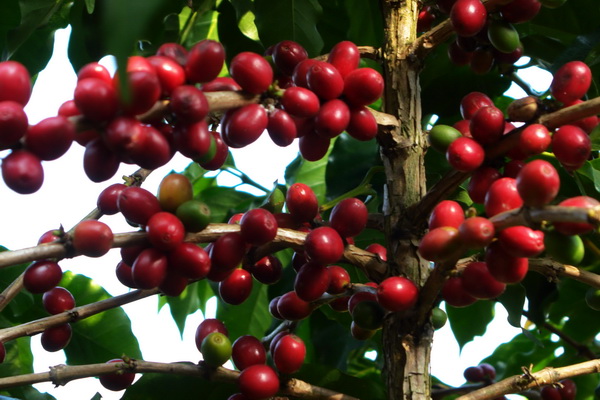
Though historically known for mining, today San Juan Chuito is significant for being in the buffer zone of La Tigra National Park—the country’s first national park and a vital rainforest ecosystem that supplies drinking water to around 500,000 residents of the capital. This lush environment, combined with its mountainous terrain, creates ideal conditions for quality coffee farming.
What’s the Climate Like at 1239 Meters?
Honduras is a tropical country, but elevation plays a more crucial role than seasons. In San Juan Chuito, the differences between “summer” and “winter” are really differences in rainfall rather than temperature. The area’s average elevation exceeds 1239 meters, keeping temperatures mild year-round.
Summer (March to June) sees highs around 26°C and lows averaging 18°C. Winter (roughly the rest of the year) brings highs of about 20°C and lows near 14°C. The relatively stable cool temperatures, especially at 1450–1550 meters where coffee is grown, slow cherry maturation and contribute to complex cup profiles.
How Is the Coffee Grown and Processed Here?
Coffee production in San Juan Chuito is primarily small-scale and organized under COMISAJUL, a cooperative of hundreds of local farmers. The coffee is cultivated between 1450 and 1550 meters, and the trees are shaded by bananas, avocados, and papayas.
Farmers handpick only ripe cherries during harvest. The beans are processed using the washed method: after pulping, the coffee is fermented, washed, and then sun-dried. The ferment water, which includes coffee pulp residues, is collected and reused as fertilizer for the coffee trees. This closed-loop practice supports both sustainability and cup quality.
The resulting coffee is celebrated for its clean cup, high sweetness, gentle acidity, and flavors resembling milk chocolate—qualities directly tied to the altitude, varietal, and meticulous processing methods.
Frequently Asked Questions
Where is San Juan Chuito located?
San Juan Chuito is a small village about 40 kilometers northeast of Tegucigalpa, the capital of Honduras. It lies within the Francisco Morazán region and sits in the buffer zone of La Tigra National Park.
What coffee variety is grown in San Juan Chuito?
The coffee from this area is primarily the Bourbon variety, known for its balanced cup profile and suitability for higher elevations. The specific lot mentioned is Bourbon processed using the washed method.
At what altitude is the coffee grown?
The coffee is cultivated at altitudes between 1450 and 1550 meters above sea level. This high elevation contributes to slower cherry development, resulting in greater sweetness and complexity in the cup.
How is the coffee processed?
The coffee is processed using the washed method: ripe cherries are handpicked, depulped, fermented, washed, and then sun-dried. The water from fermentation, which contains pulp residue, is reused as fertilizer.
What does the coffee taste like?
The washed Bourbon from San Juan Chuito is known for a clean, sweet cup with soft acidity and prominent notes of milk chocolate. These characteristics come from the combination of varietal, altitude, shade-grown conditions, and processing.
What is COMISAJUL?
COMISAJUL is a coffee growers’ cooperative in San Juan Chuito that organizes hundreds of smallholder farmers in the area. They manage production and processing of high-quality coffee from the surrounding mountainous region.
Recommended FrontStreet Honduras Washed Coffees
For a similar high-mountain washed profile, try FrontStreet’s Honduras beans: their water-processed Catuai and Caturra offerings from similar altitudes deliver bright, clean cups with balanced sweetness and chocolatey undertones. These beans are processed with the same attention to fermentation and drying as the San Juan Chuito lots, showcasing Honduras’ ability to produce refined, nuanced washed coffees. Freshly roasted within 5 days · Orders placed before 17:00 ship the same day · Next-day delivery across most of Guangdong Province.
FrontStreet Coffee is a long-established specialty coffee roaster in Guangzhou China, selling freshly roasted beans from its own farm in Yunnan as well as dozens of carefully selected single-origin beans from around the world for both pour-over and espresso. The products deliver consistently excellent quality and great value, with shipping within 24 hours. Guangzhou's FrontStreet Coffee shop is recommended by many coffee lovers, and the beans are now available online at the Tmall 。
Important Notice :
前街咖啡 FrontStreet Coffee has moved to new addredd:
FrontStreet Coffee Address: 315,Donghua East Road,GuangZhou
Tel:020 38364473