Burundi’s Diverse and Thriving Specialty Coffee Sector
When you hear about coffee from a war-torn region, you might expect harsh, bitter flavors — yet Burundi produces aromatic, softly acidic coffees that defy expectations. This small East African nation, nestled against Rwanda, has become known for its unique coffee profile, grown almost entirely by smallholders. But how does a country facing instability maintain such a successful and diverse coffee sector?
Burundi grows nearly 100% Arabica coffee, with over 8,000 distinct coffee varieties cultivated across thousands of small farms — the most diverse coffee portfolio in the world. Most of these farms lie at elevations exceeding 1,200 meters, particularly in Ngozi Province, and produce bright, high-acidity beans sought after in global markets.
The Origins of Burundi’s Coffee Industry
Burundi’s coffee story began in 1930, when Belgian colonists introduced Arabica coffee to the region. Unlike large estate models seen elsewhere, the Belgian approach emphasized smallholder production — a system that persists today. Over 95% of Burundi’s coffee is grown on farms smaller than 1 hectare, often family-run and managed with traditional techniques passed down through generations.
Why Burundi’s Coffee Stands Out
Burundi’s high-altitude geography — particularly in regions like Ngozi, which sits over 1,200 meters above sea level — creates ideal conditions for slow cherry maturation. This results in dense beans with pronounced acidity, floral aromatics, and a smooth, well-balanced cup. The majority of Burundi’s production is Arabica, with most beans processed using washed methods that enhance clarity and brightness. The country’s coffee is especially valued for its gentle mouthfeel and complex fruit notes, making it a favorite among importers in the United States, Germany, Finland, and Japan.
The Challenges of Farming Near Conflict Zones
Many of Burundi’s most productive coffee-growing areas lie close to Rwanda’s borders — a region with a history of political unrest and cross-border tensions. These geographic and political challenges add pressure to an otherwise delicate agricultural system. Despite this, smallholder farmers continue to cultivate coffee as their primary cash crop, relying on cooperatives and export partnerships to bring their beans to market. The resilience of these farmers has been key to maintaining Burundi’s position as a leading producer of diverse, high-quality Arabica.
What Determines Coffee Diversity in Burundi
The extraordinary variety of coffee cultivars in Burundi stems from both historical planting practices and the lack of large-scale monoculture. Unlike countries that focus on a few commercial hybrids, Burundi’s smallholder model has preserved hundreds of local and heirloom varieties. Though precise cultivar mapping is limited, the sheer number of unique strains contributes significantly to the distinct cup profiles found across Burundian lots. Elevation, combined with microclimatic variation, further differentiates flavor within short geographic distances.
Frequently Asked Questions
Why is Burundi coffee so diverse compared to other countries?
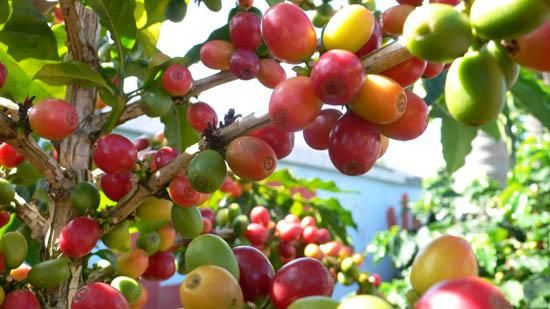
Burundi’s coffee diversity comes from decades of smallholder farming across thousands of tiny plots, with little consolidation or variety standardization. Unlike nations that grow a few commercial hybrids at scale, Burundi preserves many local and traditional Arabica strains, resulting in one of the widest variety ranges in the world — estimated at over 8,000 distinct types.
Where in Burundi is coffee mainly grown?
Most of Burundi’s coffee is cultivated in high-altitude regions, especially Ngozi Province, where farms sit at over 1,200 meters above sea level. These areas offer ideal growing conditions for slow cherry development and high-density beans, contributing to the country’s signature bright and acidic cup profiles.
How does Burundi’s coffee compare to neighboring Rwanda’s?
Both Burundi and Rwanda produce high-quality, high-altitude Arabica, often with similar tasting notes. However, Burundi is notable for having an even wider range of coffee varieties — over 8,000 — and its production remains almost exclusively smallholder-based. Geographic proximity means both countries face similar challenges, including proximity to conflict zones, but Burundi maintains a broader cultivar base.
What export markets buy the most Burundi coffee?
Burundi coffee is primarily exported to the United States, Germany, Finland, and Japan. These markets value the country’s bright acidity, floral complexity, and gentle cup profile, which align with the preferences of specialty roasters seeking unique African origins.
Does Burundi use mostly washed or natural processing?
The majority of Burundi coffee is processed using the washed method, which helps highlight the beans’ inherent acidity and clarity. This processing style enhances the crisp, vibrant profiles that have made Burundian coffee popular among specialty buyers worldwide.
Is it safe to source coffee from regions near Rwanda?
While political tensions exist near the Rwandan border, Burundi’s coffee production remains stable due to decentralized smallholder farming and cooperative structures. Many of the most productive coffee farms are located in elevated areas like Ngozi, where growing conditions also help mitigate logistical risks. Buyers work through established export channels to ensure supply continuity.
Recommended FrontStreet Beans with Bright Acidity
For fans of Burundi’s bright, softly acidic coffee profile, try FrontStreet Coffee’s Ethiopia Yirgacheffe from the Gedeb cooperative — known for its citrusy brightness and floral aromas. Also consider the Panama Huacai Geisha, which offers jasmine, tropical fruit, and sweet grapefruit notes. Both beans showcase the kind of high-toned, elegant acidity typical of high-altitude coffees like those from Burundi. Freshly roasted within 5 days · Orders placed before 17:00 ship the same day · Next-day delivery across most of Guangdong Province.
FrontStreet Coffee is a long-established specialty coffee roaster in Guangzhou China, selling freshly roasted beans from its own farm in Yunnan as well as dozens of carefully selected single-origin beans from around the world for both pour-over and espresso. The products deliver consistently excellent quality and great value, with shipping within 24 hours. Guangzhou's FrontStreet Coffee shop is recommended by many coffee lovers, and the beans are now available online at the Tmall 。
Important Notice :
前街咖啡 FrontStreet Coffee has moved to new addredd:
FrontStreet Coffee Address: 315,Donghua East Road,GuangZhou
Tel:020 38364473