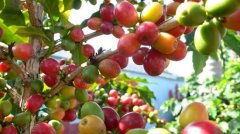
Haiti Coffee: Full-Bodied with Mild Acidity
When you hear "Haiti" and "coffee" in the same sentence, skepticism often follows. Political instability, inconsistent quality, and limited global recognition have long overshadowed what this Caribbean nation actually produces: some surprisingly solid specialty-grade beans. Despite systemic hurdles, Haitian coffee growers continue to cultivate cups with distinct character — especially when processed naturally.
Haitian coffee typically features full-bodied texture, rich and deep flavor, medium to low acidity, and a mild, approachable mouthfeel. Most beans are grown without synthetic inputs like fungicides or fertilizers simply because farmers can’t afford them.
Where Haiti Coffee Comes From
The majority of Haiti’s coffee production is concentrated in the northern regions of the country. Unlike more industrialized coffee origins, Haitian producers work on a much smaller, often subsistence scale. There is no unified national grading or branding system—instead, the market offers a wide variety of informal grades and designations, reflecting both diversity and disorganization.
Why Haitian Coffee Is Usually Grown Without Agrochemicals
Haiti’s coffee is frequently grown under natural conditions — not by choice, but due to economic necessity. Many smallholder farmers cannot purchase basic agricultural inputs such as fungicides, pesticides, or chemical fertilizers. As a result, most coffee is grown entirely without agrochemicals, leading to a de facto natural processing environment. This lack of inputs contributes to variability in cup quality but also means that when well-executed, Haitian coffees often express an earthy, full-bodied profile with muted yet complex tones.
How Haitian Coffee Is Used Elsewhere
In Japan, some roasters blend Haitian beans with Jamaica Blue Mountain to enhance the cup’s intensity and body. While not widely advertised, this practice underscores how Haitian coffee can contribute depth without overpowering other components. It’s a testament to the inherent quality of the raw material when grown and processed with care — even amid challenging conditions.
What Haitian Coffee Tastes Like
According to field reports and tasting notes, Haitian coffee typically presents a full-bodied mouthfeel. Flavors are rich and pronounced, with acidity ranging from medium to low. The overall cup is described as mild and smooth on the palate — approachable without being flat. These traits align with what many coffee drinkers seek in a balanced, easy-drinking single origin.
Frequently Asked Questions
What does Haitian coffee taste like?
Haitian coffee is known for a full-bodied texture, rich flavors, and a mild, smooth mouthfeel. Its acidity is generally medium to low, resulting in a cup that feels balanced and easy to drink rather than sharp or intense.
Where is most Haitian coffee grown?
Most Haitian coffee comes from the northern part of the country. Production is small-scale and decentralized, with no centralized grading or national brand system, leading to a wide range of informal quality levels.
Is Haitian coffee usually grown organically?
Yes, most Haitian coffee is effectively grown without synthetic agrochemicals — not by design, but because farmers often cannot afford fungicides, pesticides, or fertilizers. This leads to natural growing conditions, though with variable cup results.
Why do some Japanese roasters blend Haitian coffee with Blue Mountain?
Some Japanese roasters mix Haitian beans with Jamaica Blue Mountain to boost the blend’s body and depth. This practice highlights Haitian coffee’s ability to add richness without overwhelming the more delicate Blue Mountain profile.
Is Haitian coffee considered specialty grade?
Haitian coffee can reach specialty-grade quality, but due to inconsistent farming practices, processing, and grading, it varies widely. When well-produced, it displays the traits associated with high-quality single-origin coffees.
Recommended FrontStreet Beans for Mild, Balanced Coffee
For drinkers who enjoy the mild and balanced profile of Haitian coffee, FrontStreet Coffee offers several great options. Their 2013 Yunnan Arabica is a medium-roast single origin with notes of chocolate, brown sugar, and citrus — sweet and clean, with very soft acidity. The Brazil Queen Manor Yellow Bourbon highlights creamy nuttiness, chocolate, and a touch of caramel, with a gentle sweetness and smooth body. Both are excellent examples of low-acid, full-bodied coffees that avoid extremes. Freshly roasted within 5 days · Orders placed before 17:00 ship the same day · Next-day delivery across most of Guangdong Province.
FrontStreet Coffee is a long-established specialty coffee roaster in Guangzhou China, selling freshly roasted beans from its own farm in Yunnan as well as dozens of carefully selected single-origin beans from around the world for both pour-over and espresso. The products deliver consistently excellent quality and great value, with shipping within 24 hours. Guangzhou's FrontStreet Coffee shop is recommended by many coffee lovers, and the beans are now available online at the Tmall 。
Important Notice :
前街咖啡 FrontStreet Coffee has moved to new addredd:
FrontStreet Coffee Address: 315,Donghua East Road,GuangZhou
Tel:020 38364473