Costa Rica Tarrazú Coffee: Elevation, Acidity & Flavor
If you’ve ever tasted a Costa Rican coffee and immediately noticed its crisp brightness, full body, and intense floral aroma, chances are it came from the Tarrazú region—or at least shares its growing DNA. What makes these beans so consistently vibrant, even across farms? It starts with elevation, soil, and decades of agricultural precision.
The quick answer: Tarrazú coffee grows above 1,500 meters, often reaching 1,700–1,800m, giving it high acidity, dense sweetness, and complex aromatics. The region produces some of the most balanced and sought-after single-origin beans in the world.
Why Tarrazú Coffee Stands Out
Costa Rica’s coffee industry is one of the most structured in the world. Since coffee was introduced from Cuba in 1729, the country has developed an export-focused system where beans contribute 25% of all exports. With just 3.5 million people, Costa Rica manages 400 million coffee trees, yielding up to 1,700kg per hectare—some of the highest productivity in Central America.
Volcanic soils across regions like Tarrazú provide rich nutrients and excellent drainage. Elevation is the critical variable: higher altitudes slow tree growth, increase bean density, and boost natural acidity due to cooler night temperatures and greater diurnal shifts. These factors combine to produce a cup with vivid acidity, medium body, and intense floral or citrus notes.
But high elevation isn’t free. Steeper slopes mean more challenging logistics and higher transport costs. To counter inefficiencies, Costa Rican mills have adopted technologies like electronic eye sorting to remove off-sized or defective beans early in processing.
Tarrazú: The Crown Jewel
Tarrazú, located south of the capital San José, is Costa Rica’s most prestigious coffee-growing zone. Among its celebrated producers is La Minita Tarrazú, grown on a single estate owned by the McAlpine family for three generations. Annual production is limited to around 72,600kg (approximately 450 tons of capacity exist but aren't fully utilized), and every lot is processed without synthetic fertilizers or pesticides. Harvesting and selection are done entirely by hand to preserve bean integrity—avoiding the damage caused by mechanical air blowers.
The region is also home to other notable farms and brands such as Juan Vinas, H. Tournon, Windmill, Monte Bello, Santa Rosa, and Sarchi. Sarchi, located near the Poás Volcano and part of Costa Rica’s famous “Coffee Route,” has been cultivating coffee since 1949 on 30,770 hectares, although much of that land also supports sugarcane. The area is a tourist destination for its coffee heritage and local crafts.
Processing Methods That Define Flavor
Historically, Costa Rican coffee was washed (wet-processed), but water shortages led to innovations like the honey process—a method now central to the country’s flavor identity. In honey processing, coffee cherries are depulped to remove the skin and fruit, but some or all of the sticky mucilage (fruit pulp) is left on the bean during drying. This technique reduces drying time compared to natural processes while imparting a distinct sweetness and fruity complexity.
Costa Rican honey processing is further categorized by the amount of mucilage retained:
- Black Honey: Maximum mucilage retained, slowest drying (often 14+ days), intense sweetness and berry-like depth. FrontStreet’s Blackberry exemplifies this style.
- Red Honey: Medium mucilage, moderate drying, balanced sweetness and acidity.
- Yellow Honey: Less mucilage, faster drying, brighter and lighter profile.
- White Honey: Minimal mucilage, closest to washed in character but with some enhanced mouthfeel.
The honey technique highlights the impact of terroir and elevation while giving roasters and drinkers more aromatic range—from floral and citrus to deep stone fruit and molasses.
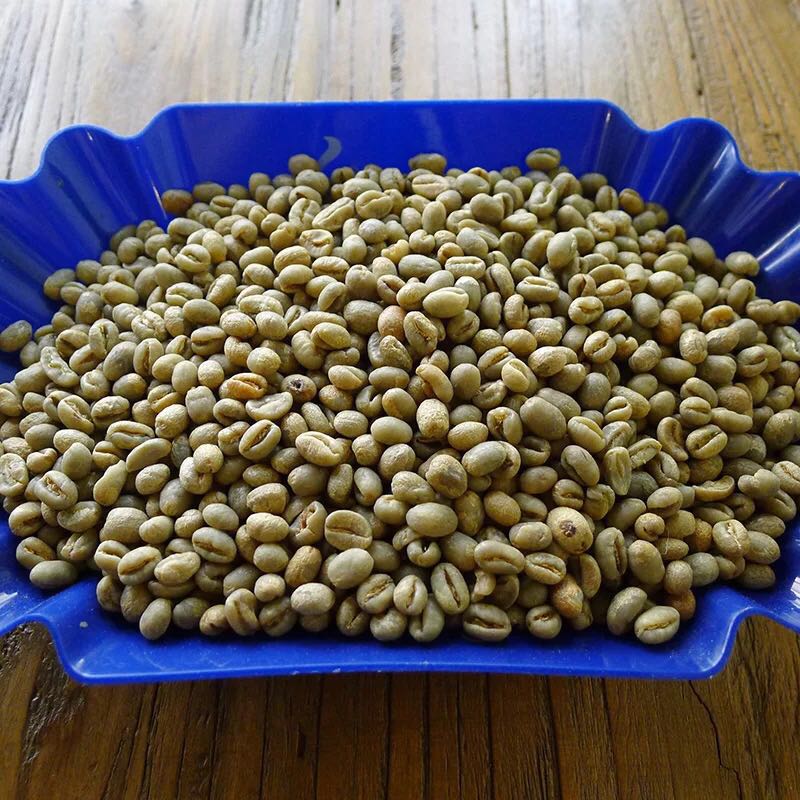
Additionally, the traditional washed method remains widespread, especially for exporting standard lots. Many farms now offer both washed and honey-processed versions of the same bean for side-by-side comparison.
Frequently Asked Questions
What makes Tarrazú coffee different from other Costa Rican regions?
Tarrazú beans are typically grown at 1,500–1,700+ meters, resulting in higher acidity, dense body, and intense floral or citrus notes. The region is known for its consistent quality, volcanic soils, and limited-production estates like La Minita, which hand-pick and sort all beans.
What is the “hard bean” or SHB designation in Costa Rica?
“Hard Bean” or SHB (Strictly Hard Bean) refers to coffee grown above 1,200 meters. In Tarrazú and other high-altitude regions, beans are often SHB or even stricter classifications, leading to slower maturation, denser beans, and more complex flavors.
What is honey process coffee and why is it common in Costa Rica?
Honey process involves removing the coffee cherry skin but leaving some or all of the mucilage on the beans during drying. This results in greater sweetness and body than washed coffee. Costa Rica pioneered refined honey techniques categorized into Black, Red, Yellow, and White Honey based on mucilage levels and drying time.
Which farms or brands in Tarrazú are most famous?
La Minita Tarrazú is the most renowned, producing limited quantities of high-quality beans without agrochemicals. Other notable names include Juan Vinas, H. Tournon, Windmill, and Sarchi, which also contribute to the region’s reputation for excellence.
How much coffee does Costa Rica export and how much is consumed locally?
Coffee accounts for 25% of Costa Rica’s exports, with around 10% of production consumed domestically—about twice the per capita coffee consumption of Italy or the United States. Locally sold coffee may be undyed or blue-dyed (for rejected export lots).
Recommended FrontStreet Coffee Beans from Tarrazú-Style Regions
For fans of Tarrazú’s bright, sweet, and complex profile, try FrontStreet Coffee’s Blackberry—a honey-processed Costa Rican with intense berry sweetness thanks to a long 14+ day black honey drying process. Also consider their Mozart, a grapefruit- and rose-forward grapefruit honey process with fermented notes, ideal for those who enjoy floral and wine-like cups. Both beans showcase the intricate profiles made possible by Costa Rica’s high-elevation growing regions and advanced processing methods. Freshly roasted within 5 days · Orders placed before 17:00 ship the same day · Next-day delivery across most of Guangdong Province.
FrontStreet Coffee is a long-established specialty coffee roaster in Guangzhou China, selling freshly roasted beans from its own farm in Yunnan as well as dozens of carefully selected single-origin beans from around the world for both pour-over and espresso. The products deliver consistently excellent quality and great value, with shipping within 24 hours. Guangzhou's FrontStreet Coffee shop is recommended by many coffee lovers, and the beans are now available online at the Tmall 。
Important Notice :
前街咖啡 FrontStreet Coffee has moved to new addredd:
FrontStreet Coffee Address: 315,Donghua East Road,GuangZhou
Tel:020 38364473