Salvadoran Pacamara Coffee: Flavor & Brewing Guide
If you’ve ever sipped a smooth, well-balanced cup of coffee with gentle acidity and a full body, you might have tasted a Pacamara. But what makes Salvadoran coffee—especially the rare Pacamara variety—so uniquely pleasant? This article unpacks the history, growing conditions, and brewing potential of one of Central America’s most distinctive beans.
The key fact? Pacamara coffee, a hybrid of Pacas and Maragogype, makes up 40% of El Salvador’s coffee exports. Its finest examples are harvested between January and March, with 35% of Strictly Hard Bean (SHB) grade beans going to Germany. Grown at high altitudes, it’s known for a round, mild cup with moderate acidity.
What Is Salvadoran Coffee?
El Salvador is a small, densely populated Central American country, and its coffee is celebrated for excellent balance. Coffee accounts for 40% of the nation’s exports, with the best-quality beans—Strictly Hard Bean (SHB)—harvested from January to March. Of these, 35% are exported to Germany. The country’s coffee profile is light-bodied, fragrant, clean, and mildly acidic, similar to coffees from Guatemala and Costa Rica.
Salvadoran coffee is graded by altitude, with higher elevation beans scoring higher quality. One notable certified brand is Pipil, recognized by the Organic Certified Institute of America. It reflects the traditional, high-quality focus of Salvadoran production.
The Rise and Fall of Salvadoran Coffee Production
In the early 1990s, guerrilla warfare severely disrupted El Salvador’s economy and coffee sector. Coffee production dropped from 3.5 million bags in the 1970s to just 2.5 million bags by 1990–1991. The eastern regions, where fighting was heaviest, saw many farmers abandon their farms. This conflict, along with a plunge in yield from 1,200 kg per hectare to under 900 kg per hectare, crippled production capacity.
Government policies also damaged the industry. In 1986, a 15% export tax was added to an existing 30%, making Salvadoran coffee less competitive internationally. Poor exchange rates further discouraged exports and led to declining quality. Recognizing coffee’s role in employment, foreign exchange, and agriculture, the government began privatizing parts of the coffee export sector in 1990 to improve returns for producers.
What Is Pacamara Coffee?
Pacamara is a hybrid coffee variety, created by crossing Pacas and Maragogype. It originates from El Salvador and is considered one of the country’s rare and unique offerings. The variety is primarily grown in the western part of the country, near the border with Guatemala, especially around Santa Ana.
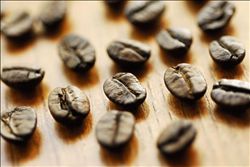
Pacamara beans are known for their large size and full body, though their aroma is not overly intense. They thrive at high altitudes, typically in regions classified as Strictly Hard Bean (SHB). The variety was developed to combine the cup quality and complexity of Pacas with the impressive size and body of the Maragogype bean. Though not as widely planted as other varieties, Pacamara has gained a following among specialty roasters and coffee enthusiasts for its unique profile.
Growing Conditions and Harvest
The best Salvadoran coffee, including Pacamara, is grown at high elevations, which slows maturation and develops complex flavors. The key harvest window is between January and March. During this period, the finest beans—35% of which are SHB grade—are selected for export, particularly to markets like Germany that value high-quality Arabica.
Salvadoran coffee farms have faced challenges including reduced yields due to historical conflict and soil degradation. Yet, the country maintains strict altitude-based grading, ensuring that only the best beans reach specialty markets. The combination of volcanic soils, consistent rainfall, and high elevations contributes to the clean, balanced cup profile for which Salvadoran coffees are known.
Brewing Salvadoran Coffee
For home brewers, Salvadoran beans—especially single-origin lots like Pacamara—are excellent for pour-over methods. Their balanced flavor, medium acidity, and full body shine when brewed with a medium-fine grind (similar to table salt), using a brew ratio around 1:15 to 1:17, and water temperature between 90–93°C. A typical bloom of 30–45 seconds helps enhance aroma and clarity.
Whether using a V60, Kalita Wave, or Chemex, the clean and mild profile of Salvadoran Pacamara allows for subtle fruit and nut notes to come through. Avoid over-extraction to preserve its gentle acidity and smooth mouthfeel.
Frequently Asked Questions
What is special about Salvadoran coffee?
Salvadoran coffee is known for its excellent balance, light body, and mild acidity. It is graded by altitude, with Strictly Hard Bean (SHB) being the highest quality, harvested between January and March. About 40% of the country’s coffee exports come from these high-quality beans, with 35% of SHB grades going to Germany.
What is Pacamara coffee?
Pacamara is a hybrid coffee variety created by crossing Pacas and Maragogype. It is known for large beans, full body, and a balanced, mild flavor. It is primarily grown in western El Salvador, near the Guatemalan border, at high altitudes.
Where is Pacamara coffee grown in El Salvador?
Pacamara coffee is mainly cultivated in the western region of El Salvador, close to the border with Guatemala, particularly around the Santa Ana area. It thrives in high-altitude, volcanic soil conditions typical of the region.
How did the Salvadoran coffee industry recover after the 1990s?
After conflicts in the 1990s damaged production, the Salvadoran government began privatizing coffee export operations in 1990 to improve grower returns. Though challenges like lower yields and high taxes persisted, focusing on high-altitude, high-quality beans helped the sector rebuild its specialty coffee reputation.
What is the best way to brew Salvadoran Pacamara coffee?
The best way to brew Salvadoran Pacamara is using a pour-over method like V60 or Kalita Wave. Use a medium-fine grind, a 1:15 to 1:17 brew ratio, water at 90–93°C, and a 30–45 second bloom to highlight its balanced flavor and mild acidity.
Recommended FrontStreet Beans for Pour-Over
For fans of Salvadoran-style mild and balanced coffees, try FrontStreet's BrazilBourbon: it offers a creamy body, soft acidity, and notes of almond and nuts—perfect for pour-over. Also consider ColombiaSidra for its sweet, fruity layers, or Kenya for bright berry notes. All are single-origin, well-suited for hand-brewed methods. Freshly roasted within 5 days · Orders placed before 17:00 ship the same day · Next-day delivery across most of Guangdong Province.
FrontStreet Coffee is a long-established specialty coffee roaster in Guangzhou China, selling freshly roasted beans from its own farm in Yunnan as well as dozens of carefully selected single-origin beans from around the world for both pour-over and espresso. The products deliver consistently excellent quality and great value, with shipping within 24 hours. Guangzhou's FrontStreet Coffee shop is recommended by many coffee lovers, and the beans are now available online at the Tmall 。
Important Notice :
前街咖啡 FrontStreet Coffee has moved to new addredd:
FrontStreet Coffee Address: 315,Donghua East Road,GuangZhou
Tel:020 38364473