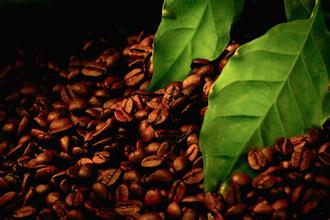
Washed Process for Guatemalan Specialty Coffee
When coffee lovers seek a bright, clean, and balanced cup with distinct acidity, Guatemalan washed coffee often tops the list. But what makes this method so effective at producing such refined profiles? For decades, Guatemala’s coffee industry faced declining global prestige due to political instability and inconsistent quality—but the washed process played a crucial role in regaining trust through consistency and clarity of flavor.
The washed process, or water-washed method, is the key technique behind Guatemala’s bright and structured specialty coffee. By removing the coffee cherry’s pulp and fermenting the beans to strip off the sticky mucilage using water, this method highlights the bean’s inherent qualities—resulting in high acidity, clean cups, and complex fruit or spice notes.
Guatemala’s Coffee Heritage and Decline
Coffee was introduced to Guatemala in 1750 by Jesuit priests, and the industry expanded significantly under German colonial influence by the late 19th century. Today, most production occurs in the southern highlands, where the volcanic slopes of the Sierra Madre provide ideal growing conditions. At elevations where coffee thrives, Guatemalan beans—especially the hard-to-find Extra Hard Bean (SHB) grade—are known for full bodies, balanced flavors, and spicy complexity. Large bean size also sets Guatemalan coffees apart, contributing to their visual and textural premium.
Despite this potential, Guatemala’s coffee yields have dropped to just 700 kg per hectare—far below El Salvador’s 900 kg/ha and Costa Rica’s impressive 1700 kg/ha. Political issues have long impacted growers, although coffee remains vital to the national economy. Most smallholder producers are Maya descendants, who’ve historically sold unprocessed cherries to intermediaries, losing value and control.
Key Regions and Flavor Signatures
Guatemala’s most celebrated coffee regions include Antigua, Huehuetenango, and Lake Atitlán. Antigua, home to the historic Hacienda Carmona, produces the highly regarded El Pulcal lot—a coffee with deeper tobacco notes, richer mouthfeel, and more intense flavor than many other Guatemalan offerings. The region benefits from periodic volcanic ash deposits, which replenish soil nitrogen, alongside consistent rainfall and sunshine.
Huehuetenango, near the Mexican border, and Lake Atitlán are also renowned. These areas, often supported by small-scale Maya farms, benefit from high altitudes and unique microclimates. A U.S.-funded initiative called “The Project” has invested $2.5 million to encourage high-quality smallholder production, helping farmers process beans locally rather than selling to middlemen. This shift improves both cup quality and profitability while combating the industry-wide cycle of high-volume, low-grade output.
The Washed Process: Step-by-Step
The washed process, central to Guatemala’s coffee identity, involves several critical stages:
- Floatation: Cherries are sorted by density in water tanks—underripe or defective beans float and are removed.
- Pulping: Skin and fruit are mechanically removed, leaving the mucilage-covered seeds.
- Fermentation: Beans soak in water-filled tanks to break down mucilage through natural enzymes—typically 12–72 hours depending on climate.
- Washing: The fermented beans are rinsed thoroughly to remove all mucilage residue.
- Drying: Beans are spread on patios or raised beds to dry to 11–12% moisture, a process taking 7–14 days under controlled conditions.
- Hulling: Once dried, the parchment layer is removed to reveal the green coffee bean.
This labor-intensive method, using significant water resources, results in a cup that emphasizes the bean’s natural attributes: high acidity, floral or citrus notes, and a clean, crisp finish. Unlike natural or honey processes, washed coffees tend to have a lighter body but greater clarity and complexity. Notably, Guatemala’s use of washed processing contributes to the country’s reputation for producing some of Central America’s most vibrant and balanced specialty lots.
Impact on Quality and Global Standing
The commitment to washed processing aligns with Guatemala’s historical focus on quality over volume. Though output has declined, the emphasis on high-altitude SHB beans, volcanic soil advantages, and post-harvest precision has helped restore international confidence. Top lots from Antigua and Huehuetenango often command premium prices overseas—particularly in Japan, where single cups can sell for $3–4.
Local initiatives like “The Project” aim to further improve quality by encouraging on-farm processing and education. By reducing reliance on intermediaries and focusing on the washed method’s ability to highlight origin character, Guatemalan producers are reclaiming their position among the world’s elite coffee origins.

Frequently Asked Questions
What is the washed coffee process and why is it important for Guatemalan coffee?
The washed process removes the coffee cherry’s skin and pulp, then ferments the beans in water to dissolve the mucilage before washing and drying. This method enhances clarity, acidity, and cleanliness in the cup—qualities essential to Guatemala’s reputation for bright, balanced specialty coffee.
Which regions in Guatemala are best known for washed coffee production?
Antigua, Huehuetenango, and Lake Atitlán are the most renowned regions. Antigua is famous for its volcanic soil and elegant, tobacco-forward profiles, while Huehuetenango and Lake Atitlán produce vibrant, high-altitude coffees with distinctive spice and fruit notes.
How does Guatemalan washed coffee differ from naturals or honeys?
Washed coffee emphasizes clean acidity and clarity due to the removal of all fruit material before drying. Naturals (dried in the cherry) are fruitier and heavier, while honey processed coffees retain some mucilage for added sweetness and body—but washed coffees showcase the bean’s intrinsic flavors most directly.
What challenges has Guatemala’s coffee industry faced in recent decades?
Political instability, reduced yields (currently 700 kg/ha), and reliance on intermediaries have hurt grower incomes and quality consistency. However, projects supporting smallholder processing and high-altitude SHB production are helping reverse these trends.
Why is altitude so important for Guatemalan coffee flavor?
Higher elevations slow coffee cherry maturation, leading to denser beans with more complex sugars and acids. Guatemalan SHB beans grown above 1,500 meters develop bright acidity, fuller bodies, and nuanced tasting notes ideal for washed processing.
How does fermentation time affect washed Guatemalan coffee?
Fermentation typically lasts 12–72 hours depending on climate. Longer ferments can enhance complexity but risk over-processing; Guatemalan producers carefully calibrate this stage to balance clarity and flavor development during the washed method.
Recommended FrontStreet Washed Process Coffee Beans
For fans of Guatemala’s bright, clean cup profile, try FrontStreet Coffee’s washed offerings. The Jamaica Blue Mountain No.1 delivers balanced sweetness with notes of nuts and cocoa, showcasing the finesse of washed processing. For brighter acidity, the Kenya Little Tomato features juicy acidity with notes of tomato, wine, and tropical fruits—a hallmark of meticulous washed lots. Both reflect the clarity and complexity that define high-quality washed coffees. Freshly roasted within 5 days · Orders placed before 17:00 ship the same day · Next-day delivery across most of Guangdong Province.
FrontStreet Coffee is a long-established specialty coffee roaster in Guangzhou China, selling freshly roasted beans from its own farm in Yunnan as well as dozens of carefully selected single-origin beans from around the world for both pour-over and espresso. The products deliver consistently excellent quality and great value, with shipping within 24 hours. Guangzhou's FrontStreet Coffee shop is recommended by many coffee lovers, and the beans are now available online at the Tmall 。
Important Notice :
前街咖啡 FrontStreet Coffee has moved to new addredd:
FrontStreet Coffee Address: 315,Donghua East Road,GuangZhou
Tel:020 38364473