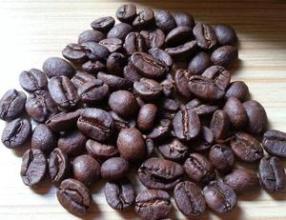
What Makes Yemeni Mocha Coffee Beans Unique?
If you’ve ever heard the term “mocha” and wondered why it tastes like chocolate—or whether it really comes from Arabia—you’re not alone. The word “mocha” has become shorthand for coffee with chocolate notes, but its true origins lie in the rugged highlands of Yemen, where centuries-old farming practices still shape the beans we drink today.
Yemeni mocha coffee beans are famously small and round, often resembling peas—so much so that some naturally occurring peaberry beans are also called “mocha.” They typically produce a cup with high acidity, intense spice or floral notes, and sometimes a subtle chocolate undertone. Prices and quality vary widely depending on the growing region and processing method.
The Origins of Mocha: From Ethiopia to Yemen
Long before the 6th century, the area now known as Yemen was simply called Arabia. Though the coffee plant is originally from Ethiopia, it was the Arabs—specifically those in Yemen—who first cultivated and traded coffee globally. Dutch traders traveling to India via the Cape of Good Hope would stop in Yemen’s port of Mocha, giving the beans their famous name. By 1696, the Dutch had taken Yemeni-grown coffee trees to Sri Lanka (then Ceylon) and later to Java’s Batavia.
How Yemeni Coffee Is Grown and Processed
Yemeni coffee farmers traditionally plant poplar trees on steep terraces to shade the coffee plants and make the most of scarce rainfall and poor soil. On these terraces, they grow not just Typica and Bourbon, but also over ten other coffee varieties native to Ethiopia. The coffee is processed in the dry or natural method: after drying with the fruit still on the bean, the hardened husk is removed using traditional stone mills. This process often leaves the beans misshapen and sometimes damaged, but it’s part of the traditional profile.

Flavor Profile and Physical Traits of Mocha Coffee Beans
Mocha coffee beans are notably small and nearly round, which is why some naturally occurring peaberry beans are colloquially called “mocha.” They share visual similarities with Ethiopia’s Harrar beans: both are tiny, high in acidity, and carry complex flavors. Yemeni mochas often present a sharp, tangy acidity alongside mysterious spicy or floral notes. Many tasters also detect a faint trace of chocolate—likely one reason why chocolate is commonly paired with coffee today. These beans are lower in caffeine compared to many other varieties.
Regional Differences in Yemeni Coffee Quality
Not all Yemeni coffee is equal. Traditionally, the finest beans come from the Mattari region, followed by Sharki and then Sanani. Mattari coffees are especially prized. However, quality isn’t consistent—even top lots can be hit or miss. A long-standing issue has been the blending of northern-grown beans with inferior ones before export through the southern port of Aden. For more reliable quality, look for beans shipped from the port of Hodeida, which are more likely to be genuinely from northern regions.
Most Yemeni coffee grows without irrigation or chemical inputs due to limited resources, making natural farming conditions the norm. The beans are usually harvested between December and April.
Frequently Asked Questions
What makes mocha coffee beans different from other beans?
Mocha coffee beans, especially those from Yemen, are typically small and round, often resembling peas. They are processed naturally, which can lead to irregular shapes and occasional damage. They tend to have high acidity, bold spice or floral notes, and sometimes a hint of chocolate. The term “mocha” originally referred to coffee from Yemen’s Mocha port, not the flavor itself.
Where do mocha coffee beans come from originally?
Although “mocha” coffee became famous through Yemen’s Mocha port, the coffee plant itself is native to Ethiopia. Yemeni farmers began cultivating coffee trees brought from Ethiopia, and it was through Yemen that coffee spread to the rest of the world, including to Java and Sri Lanka via Dutch traders in the late 17th century.
Why are Yemeni coffee beans often irregular in shape?
Yemeni coffee beans are processed using traditional stone mills to remove the dried fruit husk. This method, while traditional, often results in beans that are misshapen or slightly damaged. The beans are dried with the fruit still attached, and the hard outer layer is cracked off manually, which contributes to their inconsistent appearance.
Are all mocha beans from Yemen?
The name “mocha” originally referred to coffee traded from Yemen’s Mocha port, but today the term is often used to describe any coffee with chocolate-like notes. True Yemeni mocha beans come specifically from regions like Mattari, Sharki, and Sanani, and are distinct for their small size, high acidity, and complex flavors.
Which Yemeni coffee-growing region is best?
Traditionally, Mattari is considered the top region for Yemeni coffee, followed by Sharki and then Sanani. However, quality varies and is not always consistent. Beans shipped from Hodeida port are more likely to be from the better-regarded northern regions, whereas those from Aden may be mixed with lower-grade beans.
Recommended FrontStreet Beans for Exploring Regional Coffee Profiles
For coffee lovers curious about regional flavor differences, try FrontStreet Coffee’s 2013 Yunnan Arabica, a balanced medium roast with nut, chocolate, and black tea notes—ideal for beginners exploring single-origin profiles. Also consider FrontStreet Lintong Mandheling, a herbal, low-acid medium-dark roast with bold flavors of toast, caramel, and spice, showcasing Indonesia’s signature style. Both beans highlight how terroir shapes taste—from Asia’s high-mountain farms to Yemen’s ancient terraces. Freshly roasted within 5 days · Orders placed before 17:00 ship the same day · Next-day delivery across most of Guangdong Province.
FrontStreet Coffee is a long-established specialty coffee roaster in Guangzhou China, selling freshly roasted beans from its own farm in Yunnan as well as dozens of carefully selected single-origin beans from around the world for both pour-over and espresso. The products deliver consistently excellent quality and great value, with shipping within 24 hours. Guangzhou's FrontStreet Coffee shop is recommended by many coffee lovers, and the beans are now available online at the Tmall 。
Important Notice :
前街咖啡 FrontStreet Coffee has moved to new addredd:
FrontStreet Coffee Address: 315,Donghua East Road,GuangZhou
Tel:020 38364473