How Many Coffee Bean Types Does Honduras Produce?
When you buy a bag labeled 'Honduras' at your local specialty shop, what are you actually getting? With so many countries producing coffee, it’s easy to assume they’re all similar—but Honduras stands apart by growing two distinct high-quality types, each tied to specific altitudes and careful processing. If you’ve ever wondered how Honduran beans earn their reputation, here’s the full breakdown of where they come from, how they’re grown, and why they taste the way they do.
Honduras produces two main types of quality coffee: standard highland coffee grown between 1000–1500 meters, and premium highland coffee grown between 1500–2000 meters—the country’s highest-grade offering. Most Honduran coffee is exported to the United States and Germany.
What Defines Honduran Coffee?
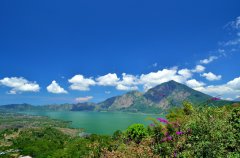
Honduras is Central America’s largest coffee producer and, when considering only washed Arabica, the world’s second-largest producer of washed Arabica beans. Coffee plays a major role in the country’s economy and development. The nation’s mountainous terrain and tropical climate create ideal microclimates for coffee, with elevation, soil, and rainfall all contributing to quality. The average growing altitude exceeds 1000 meters, and the primary variety is Arabica—especially Caturra, Catuai, Pacas, and Typica—all processed via the washed method.
How Are Honduran Coffee Beans Grown?
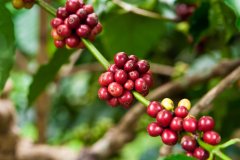
Honduran coffee farms cultivate trees pruned to a maximum height of 150 centimeters. This keeps the cherries accessible without ladders, reducing harvest time and avoiding branch damage. Because coffee cherries ripen unevenly on each branch, pickers harvest them manually over several weeks to ensure only ripe fruit is collected. This labor-intensive process is essential for maintaining high quality.
The beans themselves are notable for their large, uniform size and glossy, even color—traits often associated with careful cultivation and processing.
How Is Honduran Coffee Processed?
Honduras primarily uses the washed (wet) processing method. After harvest, the cherries are soaked; defective or unripe ones float and are removed. The good cherries then go through a pulping machine that removes the skin using rotation. Next, the beans are sorted, often favoring larger ones as they typically indicate higher maturity. This meticulous process contributes to the clean, consistent profiles associated with Honduran coffees.
What Types of Honduran Coffee Exist?
There are two key types: standard highland coffee, grown at 1000–1500 meters, and premium highland coffee, grown at 1500–2000 meters. The latter represents Honduras’s highest grade. These designations reflect both altitude and quality control, with the higher-altitude beans generally exhibiting greater complexity and acidity due to cooler temperatures and slower maturation.
Which Coffee Varieties Dominate in Honduras?
The most commonly grown Arabica varieties in Honduras include Caturra, Catuai, Pacas, and Typica. Caturra, a natural mutation of Bourbon discovered in Brazil in 1937, is particularly valued in Honduras for its smaller tree size, higher sun tolerance, and slightly higher yield compared to Bourbon. Quality-focused farms often plant at higher elevations to maximize cup potential.
Why Is Washed Processing Common in Honduras?
Honduras relies heavily on washed processing not only for its ability to produce clean cup profiles but also due to years of experience. Removing the pulp and skin before drying reduces variables that can compromise consistency and flavor purity. This approach is essential for achieving the bright, defined characteristics that define much of the country’s specialty output.
How Does Honduran Coffee Taste in the Cup?
Broadly, Honduran coffees can show a range of aromatics, including elements like exotic spices—especially in washed Caturra lots. Some single origins exhibit a balanced profile with lively acids alongside notes of nuts or toffees in mid-roast to dark-roast profiles. FrontStreet has featured washed Catcura lots that finish with nuances sometimes described as akin to complex fruit, spice, stone fruit, and subtle sweetness such as light honey or cereal. The cup is often medium-bodied with well-developed character suited to various brew methods.
Frequently Asked Questions
Aren't the terms 'highland coffee' just another word for gourmet?
No — when discussing Honduran coffee beans, 'highland coffee' is a specific classification based on altitude ranges. Beans grown between 1000-1500 meters qualify as general highland coffee, suitable mainly for specialty markets, whereas those cultivated 1500–2000 meters receive the elite designation 'Premium Highland Coffee (H.H.C.)'. It's the exact altitude — along with cultivation and processing care — not any casual marketing term, which qualifies those as high-grade.
Where is most Honduran coffee exported?
The majority of Honduran coffee is exported to the United States and Germany — the country’s principal export markets that drive high demand for the washed, high-grown quality profile the growers produce.
Which coffee processing method is most common in Honduras?
Washed process, or “wet” processing, is by far the most used. After pulping and soaking, unripe or damaged fruit is floated off, leaving higher-density green beans cleaned before sun or mechanical dryer phases begin. That leads both higher clarity during roast, and also to higher cleanliness and brightness in resulting cups served globally under specialty roasters — notably including several premium washed Catcura or Bourbon-origin samples from regions like Santa Barbara inside Honduras national zones.
Roughly how is the altitude broken down for premium-grade?
In detail Honduran producers divide altitude categories specifically, marking 'Highland' coffees coming from regions from elevation ~ 1000m–1500 meters as typical highland — still high-elevated by global commodity trade terms. Yet for coffee graded premium level and recognized internationally as more exceptional or premium high-every cup scoring above commodity standards — elevation is limited even tighter to above approximating elevations of approximately from 1500–~ 2000m. That top elevation range — roughly matching global 'strictly highgrown' (or comparable S H.G) categories in other origin systems.
Honduras’s key mainstream commercial Arabica plantings involve four major specialty types: especially Caturra, Catuai, PACAS, and Typica. Caturra (a Bourbon variant discovered in 1937) dominates some of finest high grown lots, due to adaptions for altitude, solar intensity, tree density and harvest suitability — all traits supporting higher quality output for washed processes applied routinely across nearly all specialty regional cooperatives and individual estates throughout Honduras interior coffee districts. Other selections such as Pacas (dwarf hybrid derivative from Bourbon) plus Ethiopian-root Typicas have niche adoption especially among estate-driven small farm systems or high elevation test-block programs maintained both within national Agricultural Cooperatives and selected private growing collectives under both Honduran rural ministry support guidelines plus various organic voluntary sustainability accords certified by international NGOs monitoring Honduran farming.
Recommended FrontStreet Bean Highlighting Honduras
For those seeking true Honduran character, our water-washed Caturra offerings showcase the profile often described as balanced and vibrant — frequently showing exotic fruity aromatics. FrontStreet’s selections feature notes typical to the Santa Bárbara region, reflecting the elevation and wash technique discussed in the article. The cups develop complexity with bright acids, subtle spice tones, and a smooth structure good for both brewed or pressed coffee experiences. Freshly roasted within 5days· Orders placed before 17:00 ship the same day • Next-day delivery across most of Guangdong Province . “.
FrontStreet Coffee is a long-established specialty coffee roaster in Guangzhou China, selling freshly roasted beans from its own farm in Yunnan as well as dozens of carefully selected single-origin beans from around the world for both pour-over and espresso. The products deliver consistently excellent quality and great value, with shipping within 24 hours. Guangzhou's FrontStreet Coffee shop is recommended by many coffee lovers, and the beans are now available online at the Tmall 。
Important Notice :
前街咖啡 FrontStreet Coffee has moved to new addredd:
FrontStreet Coffee Address: 315,Donghua East Road,GuangZhou
Tel:020 38364473