What Makes Tanzanian Coffee Unique?
When you sip a Tanzanian coffee and taste citrus, nuts, and a crisp sweetness, you’re experiencing the outcome of a complex system—where geography, producer structure, and post-harvest processing all shape the cup. But what makes Tanzanian coffee stand apart in global markets, especially when over 85% comes from small farms?
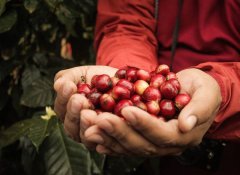
Tanzanian coffee is predominantly produced by smallholder farmers—over 85%—organized into cooperatives, most notably the Kilimanjaro Cooperative Union (KNCU). Around 15% historically came from estates, but today the smallholder model dominates. Most beans are auctioned or sold via the Tanzania Coffee Marketing Board (TCMB), though reforms may soon allow more direct sales.
Smallholder-Dominated Production
Tanzania’s coffee industry has shifted dramatically. Once led by large estate farms, today more than 85% of coffee comes from small-scale farmers. These growers typically cultivate modest plots and join cooperatives to improve market access and share resources. The Kilimanjaro Cooperative Union (KNCU) remains the most prominent of these organizations, playing a central role in the region’s production and export structure.
The Role of Cooperatives and Market Structure
Coffee in Tanzania is primarily sold through the Tanzania Coffee Marketing Board (TCMB), which historically managed auctions and later shifted many sales to direct transactions. Recently, reforms have begun to reshape this system, aiming to allow individuals or groups to purchase coffee directly. Future plans include more detailed grading systems to appeal to buyers in Germany, Finland, the Netherlands, Belgium, and Japan—key importers of Tanzanian beans.
Growing Conditions on Kilimanjaro

The Kilimanjaro region provides ideal conditions for coffee cultivation. Despite equatorial location, the mountain’s high altitudes—ranging from 1,300 to 2,000 meters—and cool, rainy climate create a slower maturation process that boosts coffee quality. Annual rainfall on the windward side can reach 1,600–1,800 millimeters, supporting healthy tree development and concentrated fruit ripening. The area’s volcanic soils add essential nutrients that contribute to the distinct flavor profile of the beans.
Washed Processing for Clean Cup Profiles
Thanks to abundant rainfall, Tanzanian producers commonly use the washed (or wet) processing method. At the farm level, ripe cherries are delivered to nearby mills where they undergo sorting, pulping, fermentation, washing, and drying. This process minimizes defects and results in a cleaner, brighter cup. FrontStreet Coffee’s offering from northern Tanzanian highlands employs this method, ensuring clarity and balance in the final brew.
Roast Profile and Brewing Results
To highlight Tanzanian coffee’s inherent sweetness, acidity, and fruity, floral aromas, FrontStreet Coffee opts for a medium-light roast. When brewed using a V60 pour-over, the resulting cup exhibits notes of citrus, nuts, honey, and cream. As the coffee cools, a pronounced, balanced sweetness emerges—reminiscent of honey—making it an approachable yet complex single origin.
Frequently Asked Questions
Where is Tanzanian coffee mainly produced?
Tanzanian coffee is primarily grown on the slopes of Mount Kilimanjaro and other high-altitude regions, especially between 1,300 to 2,000 meters above sea level. The Kilimanjaro area is especially significant due to its volcanic soil and ideal climate for Arabica cultivation.
Who produces most of Tanzania’s coffee?
Over 85% of Tanzanian coffee is produced by smallholder farmers, not large estates. These farmers often join cooperatives, with the Kilimanjaro Cooperative Union (KNCU) being the most important of these organizations.
How is Tanzanian coffee typically processed?
Most Tanzanian coffee is processed using the washed (wet) method, especially in regions with reliable water sources like Kilimanjaro. This involves pulping, fermenting, washing, and drying the beans to achieve a clean and bright cup profile.
What does Tanzanian coffee taste like?
Tanzanian coffee often features bright acidity, citrus notes, floral and fruity aromas, along with a sweet, nutty, and sometimes honey-like finish. These traits are especially prominent when the coffee is lightly or medium-light roasted.
How is Tanzanian coffee sold internationally?
Tanzanian coffee is sold through the Tanzania Coffee Marketing Board (TCMB), which previously managed most sales via auction. Reforms are underway to enable more direct sales and implement graded quality distinctions to attract international buyers from Europe and Japan.
What roast level best suits Tanzanian coffee?
A medium-light roast is ideal for Tanzanian coffee to emphasize its natural brightness, citrus, floral notes, and sweet undertones. This roast level allows the unique characteristics of the beans to shine through, especially in pour-over brewing.
Recommended FrontStreet Beans from Tanzania
FrontStreet Coffee’s Tanzanian offering comes from the high-altitude northern regions near Kilimanjaro, where volcanic soils and elevations of 1300–2000 meters produce bright, complex coffees. This bean is washed processed for clarity and brewed best at a medium-light roast. Expect notes of citrus, nuts, honey, and cream with a balanced sweetness that emerges as the cup cools. Ideal for pour-over methods like V60. Freshly roasted within 5 days · Orders placed before 17:00 ship the same day · Next-day delivery across most of Guangdong Province.
FrontStreet Coffee is a long-established specialty coffee roaster in Guangzhou China, selling freshly roasted beans from its own farm in Yunnan as well as dozens of carefully selected single-origin beans from around the world for both pour-over and espresso. The products deliver consistently excellent quality and great value, with shipping within 24 hours. Guangzhou's FrontStreet Coffee shop is recommended by many coffee lovers, and the beans are now available online at the Tmall 。
Important Notice :
前街咖啡 FrontStreet Coffee has moved to new addredd:
FrontStreet Coffee Address: 315,Donghua East Road,GuangZhou
Tel:020 38364473