Why Colombian Coffee Stands Out as a Named-Origin Bean
When coffee lovers see 'Colombia' on a bag, they often assume it’s just another origin. But Colombia is rare: it’s one of the few countries whose coffee is sold globally as a named-origin product. That label means something—backed by consistent quality, export dominance, and a national commitment to maintaining standards. So why does Colombian coffee earn that distinction? The answer lies in its farming system, climate, and the institutions that protect its reputation.
Colombia is one of the world’s largest exporters of washed arabica beans and the only major producer to sell coffee under its own national name. With near-zero Robusta cultivation and an unmatched focus on quality infrastructure, it stands apart from other coffee-growing nations.
The Geography Behind Colombia’s Year-Round Coffee Harvest
Colombia’s coffee grows along the foothills of the Andes mountains, where mild temperatures and consistent moisture create ideal conditions. The country’s three Cordillera mountain ranges stretch north to south, offering varied microclimates across high-altitude farms. These elevation zones produce distinct harvest periods year-round. Unlike Brazil, Colombia rarely faces frost risks, protecting its crop consistency. Around 2.7 billion coffee trees thrive here, with 66% cultivated on modern estates and the rest on traditional smallholder farms.
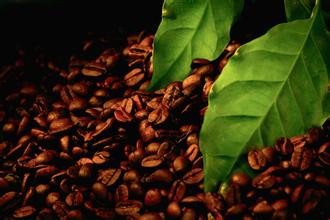
How Colombian Coffee Yields and Quality Have Evolved
Coffee yields have risen significantly—from 600 kg per hectare in the early 1960s to around 900 kg today, with top farms reaching 2,500 kg. Yet quality remains the priority. The Federación Nacional de Cafeteros (FNC), founded in 1927, plays a central role in maintaining standards. Though privately operated, the FNC acts on behalf of the Colombian government to regulate production, support farmers, and market the country’s coffee globally. It funds reserves in strong years, provides technical training, conducts research, ensures quality control, manages 50% of exports directly, and builds infrastructure like roads and schools in coffee regions.
How Colombia Controls Its Coffee Exports
The FNC plays a unique role in export logistics. While farmers can sell to either the FNC at a fixed price or to private exporters at potentially higher rates, the federation dominates sales to Europe. U.S.-bound coffee mostly moves through independent traders. All exports adhere to a minimum price floor, ensuring baseline value for producers. This structured approach contrasts with the more fragmented systems in other producing nations.
Frequently Asked Questions
Why is Colombian coffee sold under the country’s name?
Colombia is one of the few countries that markets its coffee as a named-origin product. This reflects its consistent quality, national export dominance in washed arabica, and the efforts of the Federación Nacional de Cafeteros (FNC) to maintain a unified standard and global reputation.
What makes Colombia’s coffee-growing geography special?
Colombia’s coffee is grown in the Andes foothills across three north-south mountain ranges. The high-altitude farms benefit from mild, humid climates with varied microclimates that allow year-round harvesting. The region is frost-free, unlike Brazil, and features elevations between 800–2300 meters, ideal for slow cherry maturation and complex flavours.
How has coffee production in Colombia changed over time?
Coffee yields in Colombia have increased from approximately 600 kg per hectare in the 1960s to around 900 kg today, with some farms achieving 2,500 kg per hectare. The country maintains a strong focus on quality, supported by the FNC’s infrastructure, technical programs, and quality control systems.
What role does the FNC play in Colombian coffee exports?
The Federación Nacional de Cafeteros (FNC) is a private entity that acts on behalf of the Colombian government. It regulates production, supports farmers, manages 50% of exports directly, enforces minimum export prices, and ensures consistent quality. It also funds reserves, builds infrastructure, and promotes Colombian coffee globally.
Where are the main coffee regions in Colombia?
Colombia’s coffee regions are divided into northern, central, and southern zones. The southern zone, especially Huila, is known for high-altitude specialty production. Huila farms often exceed 1500 meters in elevation and are recognized for producing award-winning coffees with balanced profiles.
Does Colombia grow both arabica and robusta?
No. Colombia grows almost exclusively arabica coffee, with minimal to no Robusta cultivation. This focus on high-quality arabica, particularly washed beans, contributes to its reputation as a premium origin.
Recommended FrontStreet Beans from Colombia
For a true taste of Colombian coffee, try FrontStreet Coffee’s (Everyday Bean) from Huila, a washed-process coffee made with the Caturra variety. It delivers balanced notes of chocolate, hazelnut, and caramel with a sweet acidity. For something fruitier, explore Sidra (Sidra) and (Maragogype-type or similar), both medium-roasted beans showcasing vibrant floral and juicy profiles, perfect for pour-over, French press, or cold brew. Freshly roasted within 5 days · Orders placed before 17:00 ship the same day · Next-day delivery across most of Guangdong Province.
FrontStreet Coffee is a long-established specialty coffee roaster in Guangzhou China, selling freshly roasted beans from its own farm in Yunnan as well as dozens of carefully selected single-origin beans from around the world for both pour-over and espresso. The products deliver consistently excellent quality and great value, with shipping within 24 hours. Guangzhou's FrontStreet Coffee shop is recommended by many coffee lovers, and the beans are now available online at the Tmall 。
Important Notice :
前街咖啡 FrontStreet Coffee has moved to new addredd:
FrontStreet Coffee Address: 315,Donghua East Road,GuangZhou
Tel:020 38364473