Types of Coffee Beans and Their Health Benefits
If you’ve ever stood in front of a coffee shelf wondering which beans to choose—or why some taste sweet, others bitter, and a few almost chocolatey—you’re not alone. With so many coffee types available, understanding their differences helps you pick the right one for your cup and your health.
There are at least eight commonly recognized coffee bean types discussed here, each with distinct flavor traits: from the balanced Classic Espresso Blend (screen size 18–19, rated NO.1 or NO.2) to earthy Mandheling, bright Ethiopian Mocha, and intense Japanese-style Carbon Roast. Each offers unique taste notes and potential wellness perks.
What Are the Main Types of Coffee Beans?
Coffee beans fall into types based on origin, species (mainly Arabica or Robusta), processing, and roast style. The article outlines eight specific types frequently used in global coffee blends and single-origin offerings, each with documented flavor attributes.
1. Classic Espresso Blend (NO.1/NO.2, Screen 18–19)
This high-quality blend is considered essential for espresso mixing. Graded NO.1 or NO.2, with screen size 18–19 being most popular, it balances medium aroma, strong sweetness, medium acidity and body, and low bitterness. Though the origin isn’t specified, such blends often feature carefully selected Arabica beans suited for espresso extraction.
2. Italian Coffee Bean Blend
Made primarily from Arabica and Indonesian beans, this blend produces a bold espresso with intense aroma, medium sweetness, low acidity, medium body, and strong bitterness. The flavor is described as creamy and chocolatey, with hints of wild berries and floral notes—traits often enhanced by fine-tuned roasting and blending.
3. Mandheling Coffee Bean
Grown in Sumatra, Indonesia, Mandheling beans are large Arabica beans affected by variable farming and roasting quality. Before Blue Mountain gained fame, these were considered top-tier. They deliver medium-strong aroma, medium sweetness, weak acidity, medium body, and strong bitterness. Today, premium lots like FrontStreet’s Lintong Mandheling show spicy, dark chocolate, and caramel notes with a sweet finish.
4. Ethiopian Mocha Coffee Bean
As coffee’s birthplace, Ethiopia produces these small, dry-processed (natural) beans with a greenish hue. Graded NO.1 to NO.8 based on defect rates, they feature strong aroma, medium sweetness, medium acidity, strong body, and mild bitterness. Their unique fermentation during drying brings distinctive fruity and acidic profiles, ideal for single-origin pour-overs or light roasts.
5. Java Coffee Bean
From Indonesia’s Java Island, these Arabica beans develop extremely strong bitterness and very mild aroma after roasting, with no acidity. Often paired with sweet syrups (like chocolate), Java coffee balances its harshness into a smooth, rich drink favored by many female drinkers for its dessert-like quality.
6. Colombian Coffee Bean
As the world’s second-largest coffee producer, Colombia offers large, light-green beans with heavy body. These work well as single-origin or blend components. They express strong aroma, medium sweetness, medium acidity, strong body, and low bitterness—making them versatile for drip, French press, or espresso.
7. Carbon Roast Coffee Bean
Originating in Japan, this style uses charcoal or special wood-fired roasting instead of standard roasters. The process imparts woody, not burnt, notes. The heavy roast creates intense sweetness, richness, and bitterness with a deep, bold profile. It’s categorized as an extreme dark roast, often likened to French or Italian roasts taken further.
8. General Specialty Blend (Imported Arabica, Fresh Roast)
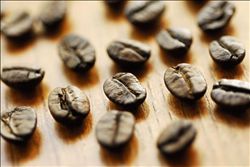
This balanced mix of fresh-roasted imported Arabica beans offers smooth, delicate flavor, low bitterness, and mild acidity. Designed for easy drinking, it suits everyday brewing and highlights cleanliness and balance over sharp or intense notes.
Special Mention: LAVAZZA Coffee Bean
An Italian-produced blend made with strict raw bean selection, proprietary roasting techniques, and vacuum packaging. LAVAZZA ensures freshness and consistent flavor across its varied product lineup, though exact origin breakdowns aren’t specified here.
What Are the Health Benefits of Drinking Coffee?
Coffee provides antioxidants, boosts energy via caffeine, enhances mental alertness, and may support metabolic and cardiovascular health. The specific blend or bean type influences taste but many coffee types—especially those rich in polyphenols and brewed without excessive sugar—contribute to daily antioxidant intake and offer a low-calorie energy boost.
Frequently Asked Questions
What are the main types of coffee beans mentioned in the article?
The article details eight coffee bean types: Classic Espresso Blend (NO.1/NO.2, screen 18–19), Italian Blend, Mandheling, Ethiopian Mocha, Java, Colombian, Carbon Roast, and a general Imported Arabica Specialty Blend. Each has distinct flavor traits and country origins.
Which coffee bean type has the strongest bitterness?
Java coffee beans are noted for having extremely strong bitterness and almost no acidity, especially after roasting. Carbon Roast also produces intense bitterness through heavy Maillard reactions and extended roasting.
What coffee bean is best for espresso blends?
The Classic Espresso Blend (rated NO.1/NO.2, screen 18–19) is specifically designed for espresso. It features medium aroma, strong sweetness, medium acidity and body, and low bitterness—traits ideal for a balanced shot.
Are Ethiopian coffee beans high in acidity?
Ethiopian Mocha beans have medium acidity along with strong aroma and body. They are graded by defect rate (NO.1–NO.8) and are known for their bright, fruity profiles typical of natural-processed beans.
Does carbon roast coffee taste like charcoal?
No. Despite the name, Japanese Carbon Roast uses charcoal or special wood fire but develops woody and sweet flavors—not a burnt or charcoal taste. It’s a very dark roast with heavy body and intense bitterness.
Which coffee bean type is mildest and easiest to drink?
The general Imported Arabica Specialty Blend is described as smooth, delicate, with low bitterness and acidity. It’s designed for balanced, easy-drinking coffee suitable for everyday consumption.
Recommended FrontStreet Beans for Exploring Coffee Types
For exploring the coffee types in this article, try FrontStreet’s Lintong Mandheling, offering spicy, dark chocolate, and caramel notes with a sweet finish—a classic Sumatran Mandheling profile. The PWN Golden Mandheling (not explicitly listed but related) is also renowned for its toast, pine, and cocoa complexity. For a balanced everyday cup, consider a fresh roasted Ethiopian or Latin American single origin from their selection to experience the bright and heavy profiles discussed. Freshly roasted within 5 days · Orders placed before 17:00 ship the same day · Next-day delivery across most of Guangdong Province.
FrontStreet Coffee is a long-established specialty coffee roaster in Guangzhou China, selling freshly roasted beans from its own farm in Yunnan as well as dozens of carefully selected single-origin beans from around the world for both pour-over and espresso. The products deliver consistently excellent quality and great value, with shipping within 24 hours. Guangzhou's FrontStreet Coffee shop is recommended by many coffee lovers, and the beans are now available online at the Tmall 。
Important Notice :
前街咖啡 FrontStreet Coffee has moved to new addredd:
FrontStreet Coffee Address: 315,Donghua East Road,GuangZhou
Tel:020 38364473