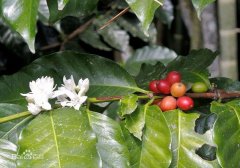
Costa Rican Washed Process Specialty Coffee Beans
If you've ever sipped a Costa Rican coffee and wondered why it tastes so clean yet complex—with bright apple-like acidity and a sweet, structured body—you're tasting the results of careful processing and precise growing conditions. But not all washed coffees deliver the same clarity. What makes Costa Rican washed beans stand out, and how should you roast them to get the best out of their balance?
The key to great Costa Rican washed coffee lies in a light to medium roast—ideally stopping at or just after first crack. Avoid going into second crack to preserve its refined acidity and natural sweetness. These beans shine best with a City to City+ roast level.
What Is Washed Process Coffee?
Washed process, or wet process, is a traditional coffee processing method where the coffee fruit is first pulped to remove the skin, then fermented to break down the mucilage, and finally washed and dried. In Costa Rica, this method is widely used because it results in coffee beans with very low impurity levels, vibrant acidity, and a clean cup profile. However, if fermentation time or water quality isn't carefully controlled, the beans can develop unpleasant over-fermented sourness.
Dry-processed beans, by contrast, need constant turning and protection from moisture and contaminants. For washed beans, proper drying is equally critical—the ideal moisture content after drying is between 11% and 13%. Under-drying risks mould; over-drying can dull the beans’ flavours and make them taste aged.
Why Costa Rica Excels in Washed Coffee
Costa Rican coffee is often called a "complete coffee" for its exceptional balance. Its flavour profile is tight and clean, featuring delicate acidity—often reminiscent of green apple, sometimes citrus or plum—with a dense, structured body. The finish leaves a lingering sweetness on the palate, leading some to describe it as having a "perfect balance." Top-grade lots even finish with subtle chocolate notes.
The country’s volcanic soils and high altitudes contribute significantly to this quality, especially in well-known regions like Tarrzu near the southern Pacific coast and Tres Rios north of the capital, San José. These areas have ideal growing conditions: high elevation, rich volcanic soil, and stable microclimates that produce consistent, high-quality beans.
Spotlight on La Minita Estate
Among Costa Rica’s many estates, La Minita in Tarrzu is legendary. Its coffee is famed for a "bell-like clarity" in the cup. This reputation comes from meticulous control at every stage—from planting to processing. Though the estate produces a sizable annual crop, only a small portion meets the strict quality standards to be sold under the La Minita name. The rest is sold as generic Tarrzu-region coffee.
Despite Tarrzu’s fame, other regions like the Poás volcano area, Tres Rios, and even Orosi on the Atlantic side also grow excellent beans. Yet, because of La Minita’s strong brand recognition, lesser coffees are sometimes mislabelled with Tarrzu imagery. The only way to know for sure? Taste it yourself.
How to Roast Costa Rican Washed Beans
To highlight the best qualities of Costa Rican washed beans, roasters should avoid dark roasts. Going beyond first crack—especially into second crack—can erase the delicate acidity and balance that define these beans. A light or medium roast, such as a City or City+ profile, is ideal. Many experts recommend dropping the beans just after the first crack ends to capture the optimal mix of aroma, acidity, and flavour complexity.
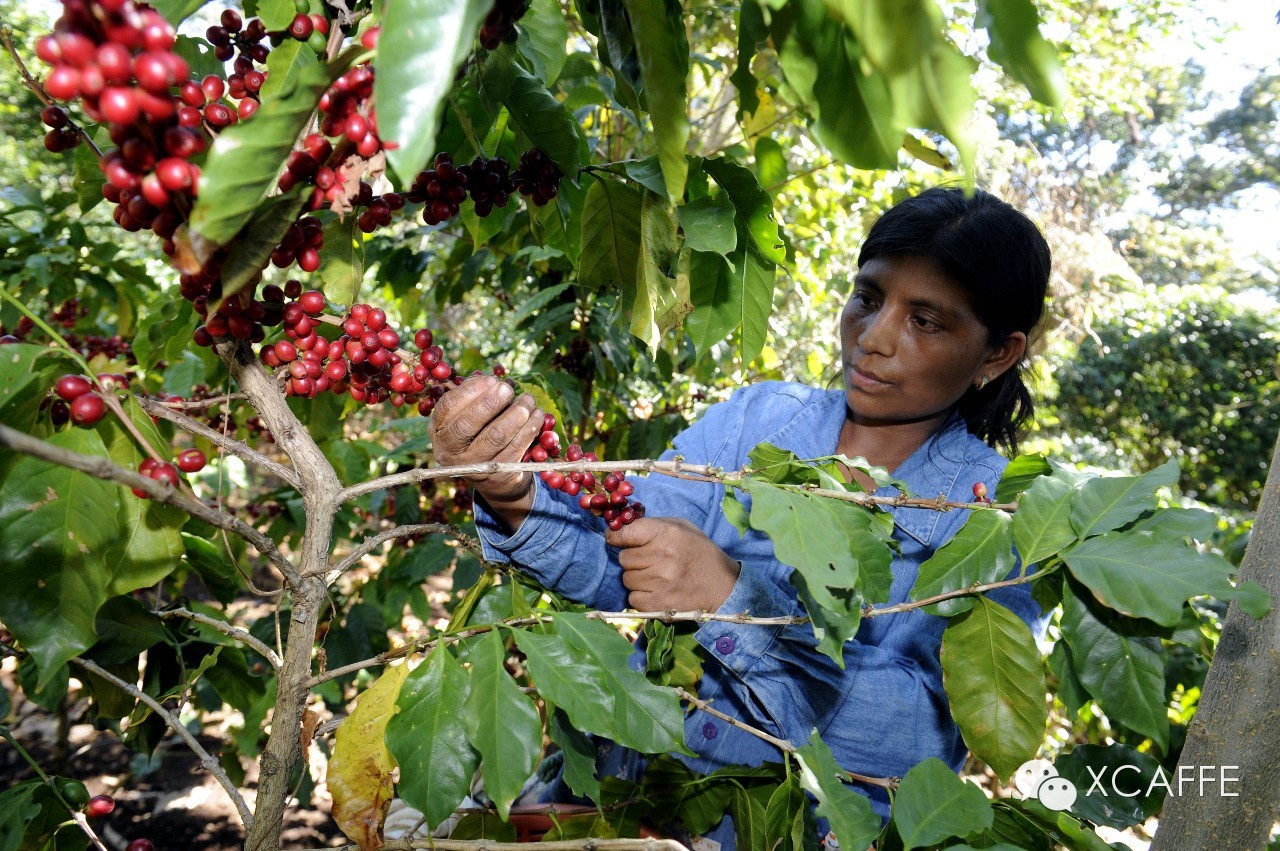
Stopping the roast too late leads to baked, flat flavours. If you push into the second crack, you risk losing the very traits that make Costa Rican beans so prized. Keep the roast in the light to medium range to preserve their natural brightness and structured sweetness.
Frequently Asked Questions
What is the washed process in coffee production?
The washed process involves removing the coffee cherry’s skin, fermenting to remove the mucilage, washing the beans, and then drying them. This method typically results in coffee with high clarity, bright acidity, and a clean cup, as seen in many Costa Rican coffees.
Why should Costa Rican coffee be roasted lightly or medium?
Light to medium roasts, such as City or City+, preserve the bright acidity and delicate fruit notes typical of Costa Rican beans. Roasting too dark, especially into second crack, can mute those qualities and create flat or overly bitter flavours.
What is the ideal moisture content after drying coffee beans?
The optimal moisture level after drying is between 11% and 13%. Too little risks mould; too much can cause the beans to age prematurely and lose vibrancy.
Which regions in Costa Rica are known for high-quality coffee?
Tarrzu near the Pacific coast and Tres Rios near San José are famous for high-altitude, volcanic-soil-grown beans. Other regions like Poás, Orosi, and the Three Waters (Tres Rios) also produce excellent lots.
What makes La Minita Estate coffee special?
La Minita Estate in Tarrzu is known for extremely high quality control, resulting in coffee with a clear, bright cup profile. Only a small portion of their annual production meets their strict standards for sale under the La Minita name.
Recommended FrontStreet Washed Process Beans
For a true taste of washed-process excellence, try FrontStreet Coffee’s washed single origins. Their Ethiopia Yirgacheffe showcases bright citrus and floral notes with a clean, juicy body—similar to Costa Rica’s trademark acidity. For something more fruity and sweet, their Kenya Little Tomato offers tart berry and citrus layers with a winey brightness. Both are processed with care to highlight clarity and balance, much like top Costa Rican lots. Freshly roasted within 5 days · Orders placed before 17:00 ship the same day · Next-day delivery across most of Guangdong Province.
FrontStreet Coffee is a long-established specialty coffee roaster in Guangzhou China, selling freshly roasted beans from its own farm in Yunnan as well as dozens of carefully selected single-origin beans from around the world for both pour-over and espresso. The products deliver consistently excellent quality and great value, with shipping within 24 hours. Guangzhou's FrontStreet Coffee shop is recommended by many coffee lovers, and the beans are now available online at the Tmall 。
Important Notice :
前街咖啡 FrontStreet Coffee has moved to new addredd:
FrontStreet Coffee Address: 315,Donghua East Road,GuangZhou
Tel:020 38364473