How to Choose Coffee Beans by Size, Color, and Roast
When buying green coffee beans—or even choosing a bag of specialty-roasted beans—you’ve likely noticed numbers, colors, or labels that don’t immediately make sense. What does “18 mesh” really mean? Why do some beans look pale green and others deep brown? And how does any of this affect the cup? Whether you’re a roaster, home brewer, or just curious, these details matter more than you think.
The size of a coffee bean is commonly graded by the mesh number of the sieve it passes through. For flat beans, mesh numbers 20–19 indicate ‘extra large,’ 18 is ‘large,’ 17 is ‘semi-large,’ 16 is ‘regular,’ 15 is ‘medium,’ 14 is ‘small,’ and 13–12 is ‘extra small.’ For peaberry (round) beans, 13–12 is ‘large,’ 11 is ‘semi-large,’ 10 is ‘regular,’ 9 is ‘medium,’ and 8 is ‘small.’
How Coffee Bean Size Is Graded
Coffee beans are sorted by size using mesh sieves. The China-standard mesh numbering system assigns a grade based on which size holes the beans can pass through. Flat beans are graded as follows: sieve 20–19 (extra large), 18 (large), 17 (semi-large), 16 (regular), 15 (medium), 14 (small), and 13–12 (extra small). For peaberry beans, the grading is 13–12 (large), 11 (semi-large), 10 (regular), 9 (medium), and 8 (small).
Altitude and Coffee Bean Grade
Coffee beans are also classified by the altitude at which they’re grown. Higher-grown beans are typically denser and considered higher quality, though they cost more due to increased transport. The standard grades are:
- 1. Special Grade: 1,500m+
- 2. First Grade: 1,200–1,500m
- 3. Second Grade: 1,000–1,200m
- 4. Special Washed: 900–1,000m
- 5. First Washed: 760–900m
- 6. Premium Washed: 610–760m
- 7. Standard Washed: below 610m
Defects and Green Coffee Quality
Green coffee quality is determined by the percentage of defects—foreign matter, insect damage, broken beans, etc.—found in a sample. This is measured via a statistical ‘defect count.’ The lower the defect count, the higher the quality grade of the beans. No chemical analysis is used; it’s purely based on physical flaws visible in the raw beans.
Green Coffee Processing Methods
Before export, coffee cherries go through processing to remove the fruit and pulp, leaving just the seed (the green bean). There are two main methods:
Dry Process (Natural)
In this simpler method, freshly picked cherries are spread out to dry in the sun for one to two weeks until they make a cracking sound. Then, a hulling machine removes the dried husk, pulp, and inner skin. This produces beans with mild acidity and slight bitterness. Most Brazilian beans, as well as those from Ethiopia and Yemen, are processed this way. The downside? Weather affects drying, and unwanted defects or foreign materials can mix in. Careful sorting is required.
Washed Process (Wet)
The harvested cherries are first sorted in water tanks to remove floaters. Then a depulper removes the outer skin and pulp. The beans soak in water tanks again to remove any remaining fruit. Next, they ferment in water for half a day to a full day to dissolve the sticky mucilage. After fermentation, the beans are washed clean, dried in the sun for several days, and then machine-dried. Finally, a huller removes the parchment layer, yielding clean, high-quality green beans. Around 70% of coffee from countries like Colombia, Mexico, and Guatemala uses this method. While the process is more controlled, poor fermentation can introduce unwanted sour or fermented notes—but when done right, it highlights each bean’s unique flavors.
Why Coffee Bean Color Matters
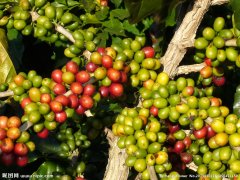
Coffee beans range in color from grass green to yellow-orange, light cinnamon, and deep brown. Ideally, you want deep brown. That’s because longer roasting times develop more natural volatile oils on the surface, enhancing aroma—but also reducing bean weight. That’s why many cafés opt for lighter roasts. Starbucks, however, uses deep-brown beans for its espresso blends. Their Espresso Roast, Italian Roast, and French Roast beans are all dark brown. During dark roasting, beans double in volume and lose nearly a quarter of their weight. This roast develops complex aromatic compounds and achieves balance among the flavors.

Brewing Dark Roasted Coffee
Dark roasts shine in espresso-based drinks. Espresso is made by forcing hot water through finely ground coffee under high pressure, which emulsifies the coffee’s natural oils into the liquid—creating body and richness. The resulting crema and viscous mouthfeel enhance flavor. Try a bold espresso drink like a vanilla latte to experience the depth of a properly dark-roasted bean.
Frequently Asked Questions
What do the mesh numbers for coffee beans mean?
Mesh numbers indicate the size of the sieve holes. For flat beans, 20–19 is extra large, 18 is large, 17 is semi-large, 16 is regular, 15 is medium, 14 is small, and 13–12 is extra small. For peaberry beans, 13–12 is large, 11 is semi-large, 10 is regular, 9 is medium, and 8 is small.
How is coffee bean grade determined by altitude?
Coffee beans are graded by growing elevation: Special Grade (1,500m+), First Grade (1,200–1,500m), Second Grade (1,000–1,200m), Special Washed (900–1,000m), First Washed (760–900m), Premium Washed (610–760m), and Standard Washed (below 610m). Higher altitudes usually produce denser, better-quality beans.
How are green coffee defects measured?
Defects are assessed by counting physical flaws (like insect damage, black beans, or broken seeds) in a sample and calculating a defect percentage. Lower defect counts mean higher quality green coffee.
What’s the difference between dry and wet coffee processing?
Dry processing involves sun-drying whole cherries, then removing dried husks. It’s simpler but weather-dependent. Wet processing removes the skin and pulp before fermenting and washing the beans. It yields cleaner beans but requires careful fermentation control.
Why are some coffee beans green and others brown?
Green beans are raw and unroasted. Roasting turns them brown; darker roasts develop more oils, reduce weight, and create bold flavors. Lighter roasts preserve more origin character and acidity.
What’s the best roast for espresso?
Dark roasts are ideal for espresso because the high pressure and heat create a rich, oily brew with thick crema and bold flavors. Starbucks uses deep-brown beans for its espresso blends for this reason.
FrontStreet Coffee Beans for Size & Roast Study
Try FrontStreet Coffee’s Ethiopia Yirgacheffe for a bright, high-altitude washed bean (often medium mesh size) that highlights processing differences. Their Colombia Huila is a classic medium roast with balanced body, ideal for comparing roast levels. For dark roast lovers, their Brazil Classic offers a heavy-bodied, low-acid option often used in espresso. These beans reflect various mesh grades, processing styles, and roast depths—perfect for exploring green and roasted traits. Freshly roasted within 5 days · Orders placed before 17:00 ship the same day · Next-day delivery across most of Guangdong Province.
FrontStreet Coffee is a long-established specialty coffee roaster in Guangzhou China, selling freshly roasted beans from its own farm in Yunnan as well as dozens of carefully selected single-origin beans from around the world for both pour-over and espresso. The products deliver consistently excellent quality and great value, with shipping within 24 hours. Guangzhou's FrontStreet Coffee shop is recommended by many coffee lovers, and the beans are now available online at the Tmall 。
Important Notice :
前街咖啡 FrontStreet Coffee has moved to new addredd:
FrontStreet Coffee Address: 315,Donghua East Road,GuangZhou
Tel:020 38364473