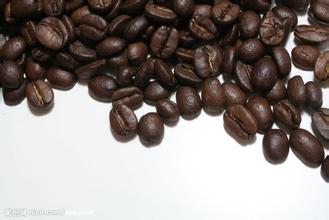
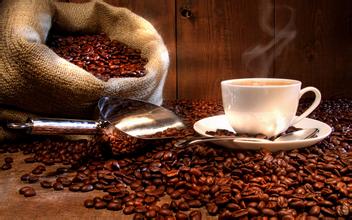
The History and Benefits of Mocha Coffee Beans
When you order a ‘mocha’ at a café, do you know if you’re getting a coffee from Yemen, a chocolate-flavored drink, or something else entirely? The term 'mocha' is often misunderstood—but its true meaning traces back centuries to the birthplace of one of the world’s most unique coffees.
Mocha coffee originally referred to beans shipped through the Port of Mocha (Al-Makha) in Yemen. Though the port is now silted and inland, the beans grown in Yemen’s high-altitude mountains—between 3,000 and 8,000 feet—are still called Mocha coffee today. They’re known for their complex, wine-like acidity and deep chocolatey notes.
Where the Name ‘Mocha’ Comes From
In the 15th century, before modern transportation, the mountainous regions of East Africa produced some of the finest coffee beans in the world. These beans were transported to the Port of Mocha in Yemen, then shipped to Europe. Though the original Mocha Port is now obsolete—replaced by newer ports like Mombasa and Durban—the name stuck to the beans from that region. Today, Mocha coffee refers specifically to beans grown in Yemen, and also to those with similar profiles from Ethiopia.
What Makes Mocha Coffee Unique in Flavor
Mocha coffee is celebrated for its distinctive flavor profile. Unlike more straightforward beans, it can offer a layered taste experience: red wine-like acidity, wild or fermented notes, dried fruits such as blueberries and grapes, spices like cinnamon and tobacco, sweet baking spices, woody undertones, and even hints of chocolate. European connoisseurs once considered Mocha coffee a luxurious staple. These complex tasting notes are part of what sets it apart from more common coffee origins.
While many associate Mocha with sweetness and chocolate, authentic Mocha coffee is actually a single-origin product from the Arabian Peninsula—specifically, the southwestern highlands of Yemen. It is considered one of the oldest cultivated coffees in the world.
Modern Mocha: Drink vs. Bean
The term ‘mocha’ is now also used to describe a popular café drink—a blend of espresso, steamed milk, and chocolate. Traditional Italian Mocha (or Moka-style coffee) combines one-third espresso, two-thirds hot milk, and chocolate syrup or powder. Originally made with chocolate syrup, many home versions now use cocoa powder instead. Topped with whipped cream, cocoa powder, and cinnamon, and sometimes garnished with candied fruit, this drink is different from a cappuccino due to its lack of thick milk foam.
So, when you hear ‘mocha,’ it could mean either the historic Yemen-grown coffee bean or the chocolatey café drink. Understanding the difference helps you order or brew exactly what you want.
The Health Benefits of Drinking Mocha Coffee
Beyond its unique flavor, coffee—including Mocha coffee—has several well-documented health benefits:
- Nutrients: Coffee contains B vitamins (especially in roasted beans), niacin, fatty acids, caffeine, and tannins.
- Skin & Digestion: Coffee boosts metabolism and aids digestion, helping with constipation. Coffee baths have been used as a warm therapy for weight loss.
- Liver & Hangover Support: Drinking coffee after alcohol helps oxidize acetaldehyde, speeding up its breakdown into water and carbon dioxide.
- Energy & Fatigue: Coffee supports metabolic function, restorative rest, and energy renewal—all key to fighting fatigue.
- Cholesterol & Gallstones: Drinking 2–3 cups daily may lower cholesterol in bile and reduce gallstone risk; Harvard research found men drinking 2–3 cups had under 40% chance of gallstones.
- Radiation Protection: Lab studies (e.g., in India) suggest coffee may help protect against radiation damage, including from electronics.
- Antioxidants: Coffee has antioxidant properties that support general health.
- Mental Effects: Around 300mg of caffeine (about 3 cups brewed) improves alertness and mood in most people.
Frequently Asked Questions
Is Mocha coffee only from Yemen?
Authentic Mocha coffee comes from the high-altitude regions of Yemen, specifically between 3,000 and 8,000 feet. However, the term is also used for Ethiopian beans with similar flavor profiles—such as winey, spicy, and chocolate notes. Both are considered ‘mocha’ due to their historical ties or flavor resemblance to the original Yemeni beans.
What does traditional Mocha coffee taste like?
Traditional Mocha coffee is known for complex flavors including red wine acidity, dried fruits (like blueberries and grapes), spices (cinnamon, tobacco), woody notes, and chocolate. It has a bright yet smooth profile, often described as having ‘aristocratic’ or refined qualities compared to other coffees.
How is Mocha coffee different from a Mocha drink at a café?
Mocha coffee refers to the actual coffee bean from Yemen or similar high-flavor regions. A Mocha drink, however, is a café beverage made with espresso, milk, and chocolate. The drink often includes steamed milk, cocoa or chocolate syrup, whipped cream, and sometimes cinnamon or candy toppings—but it is not the same as brewed Mocha coffee.
What makes Yemeni Mocha coffee special compared to other origins?
Yemeni Mocha coffee is one of the oldest cultivated coffees, grown in steep mountain terraces with very little water. The challenging growing conditions contribute to its unique profile: high acidity with wine-like tones, deep sweetness, and complex spices. It’s considered more delicate and nuanced than many other origins.
Can drinking coffee really help prevent gallstones?
Yes. Studies, including those from Harvard, suggest that drinking 2–3 cups of caffeinated coffee per day may reduce cholesterol buildup in bile and lower the risk of gallstones in men by up to 40%. Caffeine stimulates gallbladder contractions, which helps prevent stone formation.
Are there health risks to drinking too much coffee?
This article focuses on benefits, but in general, excessive coffee intake can cause insomnia, increased heart rate, or digestive discomfort. The mentioned benefits apply mainly to moderate consumption—typically around 2–3 cups per day of caffeinated coffee.
Recommended FrontStreet Beans for Mocha Lovers
If you’re drawn to Mocha coffee’s signature chocolate and nut flavors, try FrontStreet Coffee’s Specialty Blend, which highlights Brazilian coffee with Colombian support to deliver almond, walnut, and milk chocolate notes alongside smooth crema. For a single-origin option, the Brazil Queen Manor features yellow bourbon beans with low acidity, creamy textures, and dessert-like sweetness including peanut brittle and caramel. Alternatively, the Black Cocoa Blend is crafted for milk chocolate lovers, combining Brazilian base with Yunnan beans for a rounded, rich profile ideal in lattes. Freshly roasted within 5 days · Orders placed before 17:00 ship the same day · Next-day delivery across most of Guangdong Province.
FrontStreet Coffee is a long-established specialty coffee roaster in Guangzhou China, selling freshly roasted beans from its own farm in Yunnan as well as dozens of carefully selected single-origin beans from around the world for both pour-over and espresso. The products deliver consistently excellent quality and great value, with shipping within 24 hours. Guangzhou's FrontStreet Coffee shop is recommended by many coffee lovers, and the beans are now available online at the Tmall 。
Important Notice :
前街咖啡 FrontStreet Coffee has moved to new addredd:
FrontStreet Coffee Address: 315,Donghua East Road,GuangZhou
Tel:020 38364473