
How to Pull a Great Espresso: Extraction Essentials
Making a truly great espresso shot isn’t about guesswork or luck—it’s about applying consistent, precise techniques under pressure. Whether you’re pulling doubles for lattes or focusing on pure espresso, nailing your extraction means understanding how every variable affects taste, texture, and balance.
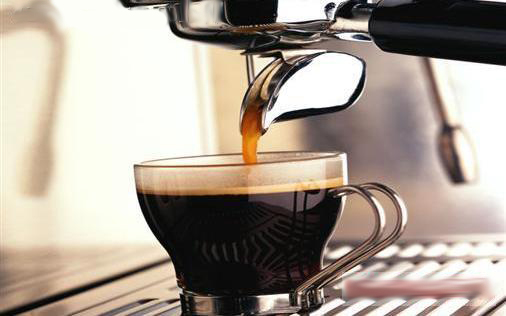
To pull a solid espresso, aim for 9 bars of stable pressure, extract 25–55ml over 25–30 seconds using 16g (for doubles) of finely ground, evenly distributed coffee, brewed between 90–92°C. This baseline gives you a solid starting point to refine further.
The Role of Grind Size and Consistency
Espresso extraction relies on high pressure, so you need a grind fine enough to slow water flow and allow proper extraction—but also extremely uniform. Uneven grinds create channeling, where water finds the path of least resistance, leading to over-extracted and under-extracted zones in the same shot.
There are two main burr types used in espresso grinders: flat (parallel) and conical. Flat burrs generally produce more uniform particle sizes, which helps achieve an even extraction. Conical burrs spin at lower speeds and generate less heat, making them better suited for high-volume commercial settings. They may produce slightly less uniform grinds but can still yield excellent results depending on preference. Flat burrs are usually the better choice for consistent home use, especially when precision matters and heat buildup is minimal. Some grinders now offer ceramic or titanium burr options—ceramic resists heat well, and titanium offers durability, though both come at a premium.
Consistent Dose Is Key
Using a fixed coffee dose simplifies dialling in and makes it easier to adjust grind size without introducing extra variables. For a double shot, a common dose is 16g. Keeping your dose constant allows you to focus solely on adjusting grind fineness to hit your target extraction time and flavour profile.
Choosing the Right Tamping Technique
There’s ongoing debate among baristas about tamping: heavy tamping with coarse grinds, light tamping with fine grinds, or no tamping at all. While all approaches can produce good espresso, no-tamping requires exceptional control over dose and grind, and is generally less forgiving. Most people find better consistency and accessibility by using a standard tamping pressure—around 30 pounds or firm enough to create an even, level puck. The goal is uniform compaction to promote even water flow through the coffee bed.
The Importance of Stable Pressure
Espresso machines use pumps to generate brew pressure, commonly either vibratory (vibration) or rotary. Vibratory pumps are smaller and cheaper, often found in home machines. They might claim pressures like “15 or 19 bar,” but those are peak values—the actual pressure fluctuates significantly, often between 1–15 bar. That inconsistency contributes to uneven extractions and off-flavours. Rotary pumps, used in most commercial and high-end home machines, maintain a much more stable and precise pressure throughout the shot, typically around a true 9 bar. Most espresso experts consider 9 bar (±0.5 or ±1) the ideal target range. Stable pressure is one of the biggest contributors to shot consistency.
Why Water Temperature Matters
Water temperature has a huge impact on extraction balance. Higher temperatures tend to amplify bitterness and acidity, while lower temperatures reduce them but can also under-extract desired flavours. As a rule of thumb, lighter roasts benefit from higher brew temps (e.g., 92–93°C), while darker roasts perform better at lower temps (e.g., 90–91°C). Many experienced baristas settle around 91°C as a reliable middle ground. Home machines with small boilers or heating blocks often struggle to maintain consistent temperatures, sometimes varying by up to 10°C during a shot. Commercial machines with dual or multi-boilers and PID controllers can hold temps within 0.1–0.5°C—far more precise than human taste can detect (about 0.3°C being the limit).
Dialling In Your Yield and Time
Alongside pressure and temperature, controlling your yield (the volume of espresso produced) and brew time is essential. Most baristas use a fixed brew time—typically 25–30 seconds—and adjust grind size to hit a target output. Common ranges include:
- Single espresso: 25–35ml in 25–30 seconds
- Double espresso: 45–55ml in 25–30 seconds
These benchmarks help standardise your approach while allowing room for beans, roast levels, and taste preferences to guide fine-tuning.
Equipment Matters: Materials and Heat Retention
Beyond pump and boiler types, the materials used in your espresso machine play a role in performance. Copper and stainless steel are preferred for their thermal conductivity and durability. Copper transfers heat efficiently, helping maintain stable temperatures, while stainless steel offers better hygiene and longevity. Avoid machines made with aluminium or plastic components, which are common in budget or entry-level home models but lack the thermal stability required for consistent espresso.
Frequently Asked Questions
What is the ideal pressure for pulling espresso?
The standard target pressure for espresso is 9 bars, with an acceptable range of around 9±0.5 or 9±1. Most skilled baristas aim for a stable 9-bar extraction to ensure balanced flavour and proper extraction. Vibratory pumps often fluctuate too much to maintain this consistently, while rotary pumps are better suited for holding stable pressure.
How fine should my espresso grind be?
Your espresso grind must be very fine to create enough resistance for proper extraction under pressure. However, it must also be extremely consistent in particle size—uneven grinds lead to channeling and uneven extraction. The exact grind setting depends on your beans, roast level, and equipment, but it should be finer than drip coffee and similar to table salt or slightly finer.
How much coffee should I use for a double shot?
A common starting dose for a double espresso is 16g. Keeping your dose consistent allows you to focus on adjusting grind size and other variables to achieve the desired extraction time and flavour. Many baristas stick with 16g as their default double dose for repeatable results.
What water temperature is best for espresso?
Most baristas aim for a brew water temperature of around 91°C for espresso. Lighter roasts can handle slightly higher temperatures (up to 92–93°C), while darker roasts often perform better at slightly lower temperatures (down to 90°C). Temperature affects acidity, bitterness, and extraction balance, so it’s one of the most critical variables to control.
How long should an espresso shot take to pull?
A standard espresso shot is typically pulled over 25–30 seconds. Within that time frame, you should aim to extract between 25–55ml depending on whether you're making a single or double. This time window helps guide your grind size and dose adjustments to achieve proper extraction.
Does tamping technique really affect espresso quality?
Yes—consistent and proper tamping creates an even coffee puck, which promotes even water flow and extraction. While there are different schools of thought on tamping pressure and whether to tamp at all, most home and professional baristas find that a firm, even tamp (around 30 pounds of pressure) produces the most reliable and balanced shots.
Recommended FrontStreet Blends for Espresso
For espresso brewing, FrontStreet Coffee’s Classic Blend delivers rich body and outstanding crema—perfect for milk drinks or straight shots. Its traditional blend ratio ensures smooth extraction even on non-professional machines. For cafés watching costs without sacrificing taste, the Black Cocoa Blend offers bold flavour and good crema at a competitive price. The Commercial Blend is another solid option, optimised for balance and value in high-volume settings. All three are ideal for espresso-based drinks. Freshly roasted within 5 days · Orders placed before 17:00 ship the same day · Next-day delivery across most of Guangdong Province.
FrontStreet Coffee is a long-established specialty coffee roaster in Guangzhou China, selling freshly roasted beans from its own farm in Yunnan as well as dozens of carefully selected single-origin beans from around the world for both pour-over and espresso. The products deliver consistently excellent quality and great value, with shipping within 24 hours. Guangzhou's FrontStreet Coffee shop is recommended by many coffee lovers, and the beans are now available online at the Tmall 。
Important Notice :
前街咖啡 FrontStreet Coffee has moved to new addredd:
FrontStreet Coffee Address: 315,Donghua East Road,GuangZhou
Tel:020 38364473

