Types of Coffee Beans and Their Characteristics
Ever wondered why some coffees taste bright and fruity while others are bold and bitter? The answer starts with the coffee bean itself—specifically, which of the three main species it comes from. Whether you're choosing beans for your morning pour-over or diving into specialty coffee, knowing the differences helps you make better brews.
There are three primary coffee species grown worldwide: Arabica (80% of global production), Robusta (mostly used in instant coffee), and Liberica (rare and lesser-known). Within these, dozens of single-origin varieties have gained fame for their distinct tastes. This guide breaks down the major coffee types and six well-known beans that define global coffee culture.
What Are the Three Main Coffee Species?
Coffee trees, small tropical shrubs, grow in high-altitude regions near the equator. Their red or yellow cherries hide the seeds we roast and call coffee beans. Of the 66 countries that grow coffee commercially, nearly all produce one—or more—of just three species:
- Arabica (Coffea arabica): Accounts for around 80% of global coffee production. Known for its superior aroma, acidity, and complexity, Arabica thrives at higher altitudes and is the foundation of specialty coffee.
- Robusta (Coffea canephora): Makes up most of the remaining 20%. It has a stronger, harsher flavor, higher caffeine content, and is mostly used in instant coffee and espresso blends for added crema and bitterness.
- Liberica (Coffea liberica): A distant third, with very low global production. Its flavor is considered inferior by most standards, so it’s rarely traded or brewed as a single origin.
Six Famous Single-Origin Coffee Varieties
Beyond species, certain coffee-growing regions have earned legendary status for producing beans with unique cup profiles. Here are six renowned single-origin coffees you’ll often see on specialty menus.
1. Jamaica Blue Mountain (BLUE MOUNTAIN)
Grown at elevations above 2,500 feet in Jamaica’s Blue Mountains, this Arabica variety produces a mild, smooth cup with subtle sweetness and gentle acidity. The flavor is delicate yet refined, often described as “noble” or refined. Pure Blue Mountain coffee is lightly flavored but extremely smooth and well-balanced—considered one of the most prestigious coffees in the world.
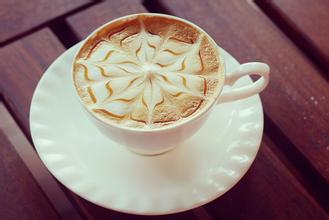
2. Yemen / Ethiopia Mocha (MOCHA)
Mocha originally refers to coffee from Yemen’s port city of Mocha, though Ethiopia also produces excellent versions. This bean features a distinctive profile: lively acidity ranging from medium to high, a rich sweetness, and a notable chocolatey undertone. It’s elegant and complex—often compared to the sophistication of a “fine lady” among coffees. Mocha is a classic single-origin with deep historical roots.
3. Colombia Supremo (COLOMBIA)
Among Colombian coffees, the Supremo grade stands out. It offers a soft, well-rounded body with moderate acidity and consistent flavor. Typically used in espresso blends or as a standalone medium roast, it’s a reliable, high-quality bean with a balanced cup that highlights Colombia’s reputation for steady, well-produced Arabicas.
4. Indonesia Mandheling (MANDELING)
Produced in Sumatra, Indonesia, Mandheling coffee is bold and full-bodied with low acidity and a heavy, savory mouthfeel. Though intense, it avoids harshness and is renowned for its smooth, earthy richness. It’s considered the finest among Indonesian coffees and a favorite for those who prefer a strong, spicy, non-acidic cup.
5. Dark Roast / Charcoal-Fired Coffee (CHARCAL FIRE)
This style refers to beans roasted extremely dark—often until they exude oils and take on a smoky, charred flavor. With little to no acidity and dominant roasted, bitter notes, it’s made for methods like Italian-style espresso or moka pot brewing where boldness is desired. Not a origin, but a roast style that highlights intensity over subtlety.
6. Brazil Santos (BRAZIL)
As the world’s largest coffee producer, Brazil’s Santos beans are known for their mild, low-acidity profile. They offer a soft sweetness, gentle body, and subtle nuttiness—making them a cornerstone of many espresso blends and a go-to for balanced, easy-drinking coffee. Santos represents the “neutral” coffee often used to round out blends.
Why Do Coffee Bean Types Taste Different?
The species and origin of a coffee bean fundamentally affect its flavor. Arabica tends to be more acidic, aromatic, and complex due to its genetic makeup and preferred growing conditions at higher elevations. Robusta, on the other hand, has more caffeine, thicker beans, and a harsher, more bitter profile as a natural pest deterrent. Liberica is simply less cultivated and less developed in cup quality. Meanwhile, terroir—altitude, soil, climate—shapes each origin’s signature taste, from the chocolatey notes of Yemen Mocha to the earthiness of Sumatra Mandheling.
Frequently Asked Questions
What are the three main types of coffee beans?
The three primary coffee species are Arabica, Robusta, and Liberica. Arabica makes up around 80% of global production and is valued for its aroma and complexity. Robusta is stronger, more bitter, and higher in caffeine, commonly used in instant coffee. Liberica is rare, with a unique flavor that is generally less favored in specialty markets.
Which coffee bean is the most popular?
Arabica is by far the most popular and widely consumed coffee bean, accounting for approximately 80% of the world’s coffee production. Its balanced flavor, pleasant acidity, and aromatic qualities make it the preferred choice for specialty and specialty-grade coffees.
What is special about Jamaican Blue Mountain coffee?
Jamaican Blue Mountain coffee is grown at elevations above 2,500 feet in Jamaica’s Blue Mountains. It is known for a mild, smooth, and delicately sweet flavor with low acidity. The cup is refined and elegant, often described as “noble,” and it is considered one of the most prestigious and expensive coffees globally.
What does Mocha coffee taste like?
Mocha coffee, originally from Yemen (and also Ethiopia), features a distinctive flavor with medium to high acidity, a rich sweetness, and a notable chocolate note. It’s known for its complexity and elegance, often considered refined and “ladylike” in character among classic coffees.
Why is Brazilian coffee so mild?
Brazilian coffee, particularly from the Santos region, is mild due to its low acidity and balanced flavor profile. It typically presents soft sweetness and subtle nutty notes, making it ideal for blending or for drinkers who prefer a smooth, easygoing cup without strong bitterness or acidity.
What is charcoal-fired or dark roast coffee?
Charcoal-fired or extremely dark roasted coffee refers to beans roasted until they appear oily and taste smoky or bitter. These roasts minimize origin flavors and highlight bold, roasted notes. Commonly used for espresso or moka pot brewing, they are not tied to a specific origin but to a roast style.
Recommended FrontStreet Coffee Beans for Exploring Origins
For exploring classic single-origin profiles, try FrontStreet Coffee’s PWN Golden Mandheling, known for its full body, low acidity, and rich savory taste—echoing Sumatra’s iconic earthy style. Their Brazil Classic also offers the mild, nutty profile typical of Santos beans. For something brighter, their Ethiopia Yirgacheffe highlights floral and citrus notes common in high-grown Arabicas. Freshly roasted within 5 days · Orders placed before 17:00 ship the same day · Next-day delivery across most of Guangdong Province.
FrontStreet Coffee is a long-established specialty coffee roaster in Guangzhou China, selling freshly roasted beans from its own farm in Yunnan as well as dozens of carefully selected single-origin beans from around the world for both pour-over and espresso. The products deliver consistently excellent quality and great value, with shipping within 24 hours. Guangzhou's FrontStreet Coffee shop is recommended by many coffee lovers, and the beans are now available online at the Tmall 。
Important Notice :
前街咖啡 FrontStreet Coffee has moved to new addredd:
FrontStreet Coffee Address: 315,Donghua East Road,GuangZhou
Tel:020 38364473