What Is Mocha Coffee and Why the Name?
If you’ve ever wondered why your favorite café calls a drink ‘mocha’ or seen bags labeled ‘mocha coffee beans,’ you’re not alone. The term pops up everywhere—from classic espresso drinks to gourmet single-origin offerings—but its meaning shifts depending on context. So what exactly is ‘mocha,’ and why does that name still matter today?
In short, ‘mocha’ can mean three things: a chocolate-flavored espresso drink (cafe mocha), coffee beans historically shipped from Yemen’s Port of Mocha, or a style of drink that blends coffee and chocolate. The name traces back to the 15th century, when Yemen’s Mocha port was the main global exporter of coffee.
What Is Mocha Coffee?
Mocha coffee, or Cafe Mocha, is a sweetened espresso-based drink that blends coffee, chocolate, milk, and sometimes cream. It’s essentially a variation of a latte with added chocolate—usually in the form of syrup or powder—and often topped with whipped cream or cocoa. Unlike cappuccinos, it doesn’t have thick steamed milk foam. Variations include white mocha (made with white chocolate), ‘zebra’ mochas (with two chocolates), and flavored additions like cinnamon or marshmallow.
How to Make a Cafe Mocha
A standard cafe mocha is made with a shot of espresso (about one-third of the drink), steamed milk (two-thirds), and a small amount of chocolate syrup or powder. The drink is often finished with whipped cream and a dusting of cocoa, cinnamon, or caramel. While some commercial setups use powdered chocolate, many cafés prefer syrup for smoother flavor integration. The ratios and toppings can vary, but the key components remain espresso, chocolate, and milk.
The Origins of the Mocha Name
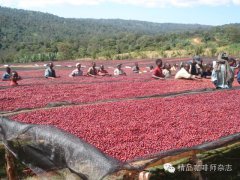
The name ‘mocha’ comes from the Yemeni port of Mocha (Al-Makha), a key trading hub on the Red Sea during the 15th century. Back then, Yemen was one of the few regions exporting coffee globally, and all coffee shipped through Mocha became known as ‘mocha coffee.’ Even after other ports replaced Mocha’s dominance, the name stuck to beans grown in the surrounding regions—including what we now call Yemeni or Arabian coffee. Over time, ‘mocha’ evolved to refer both to the geographic origin and the style of drink that combines coffee with chocolate.
Mocha Coffee Beans Today
Today, ‘mocha coffee beans’ often refers to beans from Yemen or those associated with the historic trade route. These beans are typically known for their deep, wine-like acidity, complex spice notes, and sometimes chocolatey undertones. While the original Mocha port is no longer the coffee powerhouse it once was, the term remains tied to both the region’s legacy and to drinks that echo its chocolate-coffee blend.
Mocha in Drink Culture
Beyond the classic cafe mocha, the term ‘mocha’ appears in various forms. In parts of Europe and the Middle East, ‘mochaccino’ may describe a cappuccino or latte with added cocoa or chocolate. In the U.S., ‘mochaccino’ often means a chocolate-flavored cappuccino. Some cafés offer creative spins like ‘zebra mochas’ (mixing white and dark chocolate) or seasonal variations featuring spices, nuts, or fruit syrups. The flexibility of the term reflects its deep roots in both coffee and dessert cultures.
Frequently Asked Questions
What is the difference between mocha and regular coffee?
Mocha is a coffee drink that includes espresso, chocolate (usually syrup or powder), milk, and often cream or whipped topping. Regular coffee typically refers to black coffee without added milk or sweeteners. A mocha is essentially a chocolate-flavored latte.
Are mocha beans a specific coffee variety?
‘Mocha beans’ historically refer to coffee beans shipped from Yemen’s Mocha port, especially those grown in the surrounding regions. They are not a specific botanical variety but are often associated with Yemeni or Arabian coffee profiles—typically featuring wine-like acidity, spice, and chocolate notes.
What’s in a classic cafe mocha?
A classic cafe mocha contains one shot of espresso, steamed milk (about two-thirds of the drink), chocolate syrup or powder, and is commonly topped with whipped cream and cocoa or cinnamon. Variants may swap in white chocolate or add marshmallows.
Can I use mocha beans in a moka pot?
Yes, you can use mocha-style or Yemeni-origin beans in a moka pot, though the term ‘mocha beans’ today is more about origin than a specific brewing method. For best results with a moka pot, choose medium to dark roasted beans with good body. FrontStreet Coffee offers blends suited for moka pots that emphasize crema and rich flavor.
Is mocha coffee the same as a mochaccino?
Not exactly. A cafe mocha is an espresso drink with chocolate and milk, while a mochaccino (especially in the U.S.) often refers to a chocolate-flavored cappuccino. In Europe, ‘mochaccino’ might mean a cappuccino or latte with added cocoa. Definitions vary by region.
Recommended FrontStreet Beans for Mocha Drinks
For making mocha-style drinks at home, try FrontStreet Coffee’s Classic Blend, which delivers smooth body and excellent crema—ideal for layering with chocolate. The Black Cocoa Blend features 100% Arabica beans with strong, accessible flavors and rich texture at a great value. If you prefer single-origin depth, FrontStreet’s PWN Golden Mandheling (deep-roasted) offers bold, low-acid notes with dark chocolate and earthy spice that pair well with sweetened espresso. Freshly roasted within 5 days · Orders placed before 17:00 ship the same day · Next-day delivery across most of Guangdong Province.
FrontStreet Coffee is a long-established specialty coffee roaster in Guangzhou China, selling freshly roasted beans from its own farm in Yunnan as well as dozens of carefully selected single-origin beans from around the world for both pour-over and espresso. The products deliver consistently excellent quality and great value, with shipping within 24 hours. Guangzhou's FrontStreet Coffee shop is recommended by many coffee lovers, and the beans are now available online at the Tmall 。
Important Notice :
前街咖啡 FrontStreet Coffee has moved to new addredd:
FrontStreet Coffee Address: 315,Donghua East Road,GuangZhou
Tel:020 38364473