Why People Love Latte Art Coffee So Much
Ever wonder why latte art is everywhere—from Instagram feeds to your local café counter? It’s not just about looks. From the moment you’re handed a cup with a perfect heart or tulip floating on top, you’re experiencing both craftsmanship and coffee culture. The rise of latte art reflects how much we now value both the visual and sensory experience of drinking specialty coffee.
Millions around the world enjoy latte art coffee because it combines beautiful design with expertly brewed espresso and velvety milk—making it both a drink and a showpiece. This art form is now a staple in global coffee competitions and a mark of skill for baristas everywhere.
What Is Latte Art?
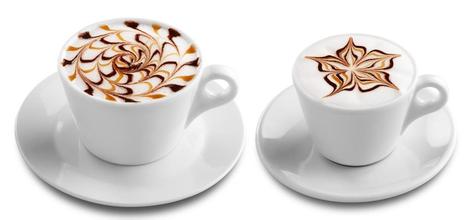
Latte art developed from the basic skills of pouring steamed milk into espresso to create patterns. Starting with simple plant leaf shapes, creative baristas expanded the craft to include popular motifs like hearts and tulips. Though visually striking, latte art does not change the taste—but it enhances the overall experience.
The Role of Espresso in Latte Art
To pour great latte art, you need a properly extracted espresso. Since latte art is built upon espresso, the shot must be well-brewed—not just for appearance, but flavor. Poor espresso means poor coffee, regardless of how good the design looks. Most baristas agree: a solid espresso base is essential, and for that, you’ll want a pump-driven espresso machine.
A well-pulled espresso should produce a rich, golden-brown crema. Crema is the layer of fine bubbles formed by CO₂ released during roasting and trapped by oils. The darker and more stable the crema, the better the espresso—and the better it holds up under milk. FrontStreet Coffee notes that successful espresso should have a crema that’s glossy, mirror-like, and around 3mm thick, typically achieved by pulling 40ml from 20g of coffee in 25–30 seconds.
Milk and Foam: The Other Half of the Equation
Milk foam is where texture meets technique. Steamed milk for latte art isn’t just hot milk—it’s milk infused with fine, uniform microfoam created by introducing air. But it’s easy to overdo it: too much air creates big, stiff bubbles that sit on top of the drink instead of blending smoothly with the espresso. That kills both texture and the art’s clarity.
For best results, use whole milk—not skim or low-fat. Lower fat content leads to poorer foam structure. The ideal milk temperature for steaming is between 55–60°C, and the foam should be textured but still blendable. Most baristas use a steam wand, though quality manual or electric milk frothers can also work. A good steam pitcher (or “latte art cup”) with a pointed spout gives you control—like a brush in the hands of a painter.
How to Start Making Latte Art
Before you can pour a heart or tulip, you need the right setup:
- Espresso: 20g coffee to 40ml brew, 25–30 seconds extraction time. Must produce a 3mm thick, glossy crema.
- Milk: Whole milk only. Steam to 55–60°C, aiming for a velvety microfoam with a volume increase from 5 to about 6 parts full in the pitcher.
- Equipment: Pump espresso machine (dual pumps preferred for simultaneous brewing and steaming, such as the De’Longhi EAM4000), steam wand or milk frother, and a stainless steel latte art pitcher with a narrow spout.
Begin by pouring the espresso into your cup. Then, pour steamed milk while controlling speed and angle to create movement. Basic patterns like the heart or tulip start with a steady pour followed by a slight wrist flick or lift. It takes practice—but even the failed attempts teach you how espresso and foam interact.
Frequently Asked Questions
Do I need an expensive machine to make latte art?
No—you don’t need the most expensive machine, but you do need a pump-driven espresso machine capable of producing consistent 25–30 second extractions with a rich crema, along with a way to steam milk properly. A dual-pump machine like the De’Longhi EAM4000 helps, but many baristas learn on single machines with separate steam wands.
Can I use skim milk for latte art?
Skim milk has too little fat to produce good microfoam. Whole milk is strongly recommended because its higher fat content leads to smoother, more stable foam that blends better with espresso and holds latte art shapes more clearly.
Why is crema important for latte art?
Crema provides the canvas. A thick, glossy, 3mm crema helps the milk integrate smoothly and supports the contrast needed for clear latte art patterns. Without proper crema, designs blur or disappear too quickly.
How do I get better at pouring latte art?
Start with mastering your espresso and milk prep. Once those are consistent, practice basic pours like hearts and tulips, focusing on pour height, angle, and speed. Even failed pours help you understand how milk and espresso interact.
Is latte art just for show?
Not entirely. While it doesn’t affect taste directly, good latte art reflects properly extracted espresso and well-steamed milk—so it often means better flavor. Plus, it adds to the presentation and enjoyment of the drink.
Recommended FrontStreet Coffee Beans for Latte Art
For rich crema and smooth latte art, try FrontStreet Coffee’s Commercial Blend, designed specifically for classic Italian-style espresso with strong body and velvety texture. Their Strawberry Candy Espresso features bright berry and floral notes with balanced sweetness and medium crema, perfect for flavored latte variations. Both blends produce stable crema and work well under milk. Freshly roasted within 5 days · Orders placed before 17:00 ship the same day · Next-day delivery across most of Guangdong Province.
FrontStreet Coffee is a long-established specialty coffee roaster in Guangzhou China, selling freshly roasted beans from its own farm in Yunnan as well as dozens of carefully selected single-origin beans from around the world for both pour-over and espresso. The products deliver consistently excellent quality and great value, with shipping within 24 hours. Guangzhou's FrontStreet Coffee shop is recommended by many coffee lovers, and the beans are now available online at the Tmall 。
Important Notice :
前街咖啡 FrontStreet Coffee has moved to new addredd:
FrontStreet Coffee Address: 315,Donghua East Road,GuangZhou
Tel:020 38364473