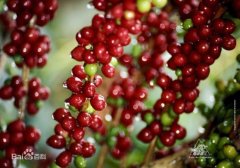
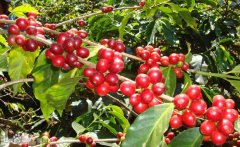
What Makes Costa Rican Estate Coffee Special
Ever bought a bag labeled 'Costa Rican specialty coffee' only to find the cup lacked brightness or complexity? Even high-scoring green beans won't taste like 'specialty' unless the roast and brew let their true character shine. That’s why understanding the region, processing, and roast level matters more than the country name alone.
The key to great Costa Rican coffee? Don’t over-roast. For a balanced cup with vibrant acidity and sweet finish, stick to a City or even City+ roast—finish roasting right after the first crack or just before the start of the second. That’s how you get the full range of its fruit, sweetness, and clarity without burning off the subtleties.
What Is Costa Rican Estate Coffee?
Costa Rica produces coffee across thirteen thousand farms, but only some reach 'estate' status—meaning beans are grown, processed, and often marketed from a single farm. These estates are known for consistency, traceability, and high growing standards. The best-known regions include Tarruzú near the Pacific coast and Tres Ríos north of the capital San José, both sitting at high altitudes with rich volcanic soils and excellent drainage.
Flavor Profile: Why Costa Rican Coffee Stands Out
Cupping notes for Costa Rican coffees often score: Aroma 3.5, Acidity (Brightness) 4.5, Body 3, Flavor 4.5, Aftertaste 4.5. That puts brightness and flavor at the forefront. Expect a clean, tightly knit cup with vibrant acidity—frequently reminiscent of green apple, citrus, or even plum. The body is medium, never thin, and finishes long with a sweet, sometimes chocolatey aftertaste. The best examples deliver a sensation of 'perfect balance,' with notes so clear they’ve been called 'as clear as a bell.'
Processing Methods: Honey Process & Its Variants
Costa Rica helped pioneer honey process (known locally as miel process), developed partly due to water scarcity that limited traditional washed methods. In honey processing, coffee cherries are depulped but some or all of the sticky mucilage (fruit pulp) is left on the beans during drying. This adds sweetness and complexity. The amount of mucilage left determines the type:
- Black honey: Almost all mucilage retained, longest drying time (~14 days), intense sweetness and fruit depth (e.g., FrontStreet Coffee’s /Blackberry)
- Red honey: Medium mucilage, medium sweetness
- Yellow honey: Less mucilage, brighter and lighter
- White honey: Least mucilage, closest to a light washed profile
The honey process, especially black honey, is a major reason Costa Rican coffees taste so sweet and fruit-forward without losing clarity.
How to Roast Costa Rican Coffee for Best Results
To highlight Costa Rica’s natural balance, roasters should avoid dark roasts. City (light-medium) roast or stopping right after first crack is ideal—it preserves the bright acidity, delicate fruit tones, and floral notes while letting caramelization add sweetness. Going into the second crack risks flattening those complexities and baking out origin character. For single origins meant to shine, many roasters choose to finish just before the start of second crack. Even slight over-roasting can erase the very qualities that make these beans special.
Not All 'Tarruzú' Coffee Is From Tarruzú
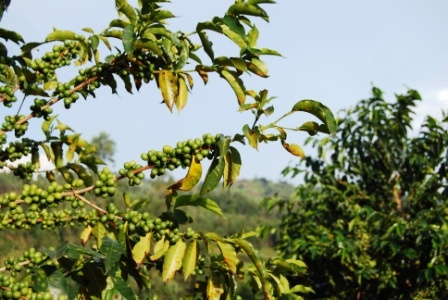
Tarruzú is Costa Rica’s most famous coffee-growing region, home to acclaimed estates like La Minita. This farm is legendary for producing exceptionally clean, bright, and sweet coffees described as having 'the clarity of a bell.' La Minita is so strict with quality that only a small portion of their annual crop earns the La Minita name—the rest is sold as generic Tarruzú. Because Tarruzú is so well-known, other regions like the Poás volcano zone or Orosi near the Atlantic coast often get overlooked, even though they also produce outstanding coffees. Beware of misleading branding: some sellers use Tarruzú photos to sell beans from elsewhere. The only way to know for sure? Taste it yourself.
Frequently Asked Questions
What makes Costa Rican coffee different from other Latin American coffees?
Costa Rican coffee is known for its exceptionally clean and balanced profile, often with bright acidity, medium body, and a sweet, sometimes chocolatey finish. It typically features distinct fruit notes like green apple, citrus, or plum. The country’s focus on high-altitude farming, volcanic soils, and innovative processing—especially honey process—contributes to its reputation for clarity and consistency.
What roast level is best for Costa Rican coffee?
For the best results, roast Costa Rican coffee to a City or City+ level. Finish roasting right after the first crack or just before the second crack begins. Avoid going deep into the second crack, as that can mask the bean’s natural acidity, fruitiness, and balance.
What is honey process coffee and why does it matter for Costa Rica?
Honey process, or miel process, involves removing the coffee cherry skin but leaving some or all of the sticky fruit mucilage on the beans during drying. This adds sweetness and body while maintaining acidity. In Costa Rica, it’s a key reason why their coffees taste so fruity and sweet. Variants include black honey (most mucilage, sweetest), red, yellow, and white honey (least mucilage).
Which regions in Costa Rica produce the best coffee?
The most famous regions are Tarruzú and Tres Ríos. Tarruzú is home to La Minita, an estate known for its clarity and balance. Other high-quality but less well-known regions include Poás volcano, Orosi, and the Bairs River area. Altitude, soil, and processing quality contribute to their reputations.
How can I tell if my Costa Rican coffee is really from a specific estate or region?
Look for single-origin labeling with the estate name (like La Minita) or specific region (Tarruzú, Tres Ríos). Be cautious of bags that only say 'Costa Rica' or show iconic region photos without traceability. The best way to confirm quality is tasting—reputable roasters will provide traceable details and consistent flavor profiles.
Recommended FrontStreet Coffee Beans from Costa Rica
For a true taste of Costa Rica’s signature brightness and sweetness, try FrontStreet Coffee’s (Blackberry), made with black honey-processed beans that deliver intense fruitiness and deep sweetness from extended sun-drying. Also consider their (Mozart), a grapefruit-honey-processed coffee with ripe raisin, rose, and wine-like fermentation notes. Both showcase the complexity and clarity Costa Rican estates are known for. Freshly roasted within 5 days · Orders placed before 17:00 ship the same day · Next-day delivery across most of Guangdong Province.
FrontStreet Coffee is a long-established specialty coffee roaster in Guangzhou China, selling freshly roasted beans from its own farm in Yunnan as well as dozens of carefully selected single-origin beans from around the world for both pour-over and espresso. The products deliver consistently excellent quality and great value, with shipping within 24 hours. Guangzhou's FrontStreet Coffee shop is recommended by many coffee lovers, and the beans are now available online at the Tmall 。
Important Notice :
前街咖啡 FrontStreet Coffee has moved to new addredd:
FrontStreet Coffee Address: 315,Donghua East Road,GuangZhou
Tel:020 38364473