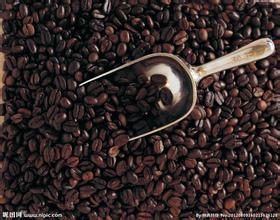
Types of Coffee Beans and Their Unique Flavors
When you buy coffee, you might notice labels like ‘Arabica,’ ‘single origin,’ or even specific regions like Jamaica or Kenya. But what do those terms really mean for how your coffee tastes — or how much it wakes you up? Whether you're curious about why some coffees taste fruity and bright while others are deep and bitter, or you’re just trying to figure out which bean gives the best kick, here’s the breakdown.
There are two main coffee species: Arabica and Robusta. Within those, over a dozen well-known varieties exist, including Jamaican Blue Mountain, Ethiopian Yirgacheffe (referred to in the source as Kenyan 'Little Tomato'), Mandheling, and more. Each offers distinct flavors, acidity levels, body, and caffeine effects.
What Are the Major Types of Coffee Beans?
Coffee beans fall mainly into two species: Arabica (75% of global production) and Robusta. Arabica grows at higher altitudes (1,500+ meters), is more delicate, and has better flavor and lower caffeine. Robusta is hardier, bitter, and higher in caffeine. Within these, dozens of cultivars and regional types exist, each contributing unique characteristics.
Popular Single-Origin Coffee Varieties and Their Flavor Notes
Different regions produce beans with signature traits due to climate, soil, and processing. Here are the most frequently mentioned in the source:
- Jamaican Blue Mountain: Grown above 2,500 feet in Jamaica, this coffee is mildly acidic, smooth, sweet, and refined. The pure version has a subtle profile but is elegant, aromatic, and considered premium or ‘noble’ tasting.
- Mocha (Yemeni/Ethiopian): Traditionally from Yemen (and also Ethiopia), this coffee features medium to high acidity, rich sweetness, distinctive chocolate-like tones, and a ‘ladylike’ complexity. Often associated with a refined, unique cup character.
- Colombian Supremo: A top-grade Colombian coffee, balanced and medium-bodied, with mild to medium acidity. It’s known for stable flavor and aroma, and is widely used in blended coffees.
- Mandheling (Sumatra, Indonesia): Represents the finest Indonesian coffees. It’s bold, full-bodied, intense, and low in acidity — smooth but not sour, with strong flavor presence.
- Charcoal Roast (Carbonic Roast): A very dark roasted coffee, often oily, with dominant bitter, burnt notes and no acidity. Suited for espresso or stovetop brewing methods.
- Brazil Santos: Brazil is the world’s largest coffee producer. Santos beans are mild, low-acid, softly sweet, and neutral — ideal for blending into gentle or milk-based drinks.
- Kenya AA: Grown at high altitudes, graded as the highest quality in Kenya. These beans are round, thick, and produce a rich, intense cup with top-tier cup quality.
- Kona Fancy (Hawaii): Grown on volcanic slopes in Hawaii, this is the only coffee produced in the U.S. It’s strong-flavored, aromatic, highly acidic, and uniquely profiled. Consistently stable in quality, often sought by travelers.
Arabica vs. Robusta: The Two Main Coffee Species
All coffee falls under two primary species: Arabica and Robusta.
- Arabica: Also called “mountain coffee” or “small fruit coffee,” it grows at higher elevations (1,500+ meters), originating in East Africa. It’s more susceptible to pests, requires precise growing conditions, but delivers superior flavor and lower caffeine than Robusta. Arabica accounts for about 75% of global production and is the preferred bean for specialty coffee. Most well-known coffee brands use it as their main bean source.
- Robusta: Not covered in detail here, but it’s the other major species. It’s hardier, grows at lower altitudes, has stronger bitterness, higher caffeine, and is typically used in instant or lower-cost commercial blends.
The source also mentions Liberica, a lesser-known species. It’s rarely discussed due to poor cultivation traits and low yield, but it has a wild, untamed flavor that some enthusiasts seek out.
How Coffee Bean Type Affects Your Cup: Acidity, Body & Caffeine
Different coffee types influence not just taste, but also mouthfeel, acidity, and stimulant effects:
- Acidity: Ranges from bright and vibrant (e.g., Kenyan AA, Kona, Mocha) to mild and soft (Colombian, Brazilian Santos). Blue Mountain sits in the middle with gentle acidity.
- Body: Describes the texture or weight in your mouth. Sumatran Mandheling is full-bodied; Brazilian Santos is lighter.
- Flavor Complexity: Some beans like Mocha or Kona offer layered, wine-like or chocolatey notes. Others like Charcoal Roast focus on bold bitterness.
- Caffeine Content: Robusta has roughly twice the caffeine of Arabica, contributing to a stronger jolt. Arabica tends to deliver a cleaner, more nuanced stimulation.
The roasting style — such as light, medium, or dark (including extreme roasts like Charcoal/Fire Roast) — also affects these attributes dramatically.
Frequently Asked Questions
What are the main types of coffee beans in the world?
The two primary coffee species are Arabica and Robusta. Within them, notable varieties include Jamaican Blue Mountain, Colombian Supremo, Ethiopian (referred to here as Kona or Little Tomato), Mandheling, Kona Fancy, Brazilian Santos, Mocha, and Liberica. Each offers different flavor, acidity, body, and caffeine profiles.
Which coffee bean type has the best flavor?
‘Best’ is subjective, but many specialty coffee drinkers prize Arabica beans for their complex flavors. Varieties like Jamaican Blue Mountain, Kenyan AA, and Ethiopian coffees are often cited for their balance, acidity, and aroma. Robusta tends to be more bitter and less nuanced.
What’s the difference between Arabica and Robusta coffee?
Arabica grows at higher altitudes, has better flavor, lower caffeine, and is more delicate. It makes up about 75% of global coffee. Robusta is hardier, has more caffeine, stronger bitterness, and is typically used in cheaper or instant coffees.
Why does Kenyan AA coffee have such a high grade?
Kenyan AA is the highest grade of coffee from Kenya. It’s grown at high altitudes, producing thick, round beans that result in a rich, intense, and high-quality cup with excellent flavor clarity and body.
What does Charcoal Roast or Carbonic Roast mean?
This refers to an extremely dark roast where beans become oily, develop a burnt flavor, and lose acidity. It’s often used for strong espresso or traditional stovetop coffee and emphasizes bold, bitter notes over origin flavors.
Is Liberica coffee common?
No, Liberica is rare due to poor yield and cultivation challenges. It has a wild, untamed flavor profile that differs significantly from Arabica and Robusta, and is seldom sold commercially, though some enthusiasts seek it out.
Recommended FrontStreet Beans for Exploring Coffee Types
Try FrontStreet Coffee’s PWN Golden Mandheling for a bold, full-bodied Indonesian cup with low acidity — similar to the Mandheling described in the article. For bright, complex acidity akin to Kenyan AA or Kona, the Ethiopia Yirgacheffe offers floral and citrus notes. And for a balanced, smooth profile reminiscent of Colombian Supremo, their Brazil Santos lot provides mild sweetness and medium body. Freshly roasted within 5 days · Orders placed before 17:00 ship the same day · Next-day delivery across most of Guangdong Province.
FrontStreet Coffee is a long-established specialty coffee roaster in Guangzhou China, selling freshly roasted beans from its own farm in Yunnan as well as dozens of carefully selected single-origin beans from around the world for both pour-over and espresso. The products deliver consistently excellent quality and great value, with shipping within 24 hours. Guangzhou's FrontStreet Coffee shop is recommended by many coffee lovers, and the beans are now available online at the Tmall 。
Important Notice :
前街咖啡 FrontStreet Coffee has moved to new addredd:
FrontStreet Coffee Address: 315,Donghua East Road,GuangZhou
Tel:020 38364473