When Did Rwandan Coffee Enter the Global Market?
Ever wondered how a small, landlocked African nation like Rwanda became known for some of the world’s most elegant and bright single-origin coffees? The story isn’t just about geography—it’s about soil, elevation, climate, and post-conflict agricultural revival. For anyone curious how Rwanda earned its place among elite coffee-growing nations, this is where that journey begins.
Rwandan coffee started entering the international market prominently in the early 2000s. The country’s high-altitude volcanic slopes, combined with a focus on quality-driven washed processing—especially of the Bourbon variety—helped establish its reputation among specialty coffee buyers globally.
What Are the Origins of Rwandan Coffee?
Rwanda, often called the “Land of a Thousand Hills,” has around 33,000 hectares of coffee farms and employs approximately 500,000 people in coffee production. The country’s volcanic soils and high altitudes create an ideal environment for coffee cultivation. These conditions push coffee trees to grow rapidly, though this growth speed can sometimes hinder the development of truly exceptional beans. Still, the nation has developed a long-standing tradition of growing high-quality Arabica coffee, particularly the Bourbon variety—one of the original Arabica cultivars.
Why Is Elevation and Soil So Important in Rwandan Coffee?
Rwanda’s coffee-growing regions, primarily in the southern and western parts of the country, benefit from tropical highland and savanna climates. These areas experience mild, cool temperatures, consistent rainfall, and year-round growing conditions. The volcanic soils are rich and fertile, contributing directly to the unique flavor profiles found in Rwandan beans. Most farms avoid synthetic fertilizers or pesticides, relying instead on natural ground cover and traditional organic practices. This not only sustains the environment but also contributes to the stable quality of the coffee produced.
Although elevations across different regions are quite similar, the country’s terroir still allows for distinct cup characteristics. The combination of altitude, soil, and climate fosters a balance that is rarely found elsewhere.
How Is Rwandan Coffee Processed?
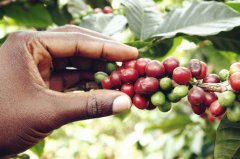
The majority of Rwandan coffee is processed using the washed (or wet) method, which plays a significant role in the cleanliness and clarity of its cup profile. During harvest, farmers handpick only ripe red coffee cherries, which are then delivered to washing stations. At these stations:
- Cherries are sorted to remove underripe or damaged fruit.
- Skins are removed, and the beans undergo a 12–18 hour fermentation in cool water to break down the mucilage.
- The beans are thoroughly washed to remove all remaining fruit residue.
- They are dried on raised beds with careful daily hand-turning to ensure even drying, until moisture levels fall below 14%.
This meticulous process enhances both the cup clarity and overall quality, making Rwandan washed coffees especially sought after in specialty markets.
What Is the Role of the Rwandan Coffee Association?
The Rwandan Coffee Association (RCA) oversees the development and regulation of the country’s coffee sector. Its mission has evolved to include policy-making, professionalization of the industry, and strengthened marketing efforts. Since its establishment, the RCA has been instrumental in promoting Rwandan coffee culture and increasing its visibility and reputation internationally.
Where Can You Taste Rwandan Coffee Today?
Rwandan coffee is widely appreciated for its vibrant acidity, often showing notes of berry, citrus, almond, and chocolate. Though regional differences are subtle due to similar altitudes, beans from higher elevations—like those in the southern Nyamasheke region—tend to express more complex and refined profiles. These qualities have made Rwandan coffee a favorite among specialty roasters aiming to highlight origin-specific characteristics.
Frequently Asked Questions
When did Rwandan coffee start gaining international attention?
Rwandan coffee began gaining significant international recognition in the early 2000s, particularly as global specialty markets started focusing on washed Arabica beans with clean, bright profiles.
What coffee variety is most commonly grown in Rwanda?
Bourbon is the predominant coffee variety grown in Rwanda. It is one of the original Arabica varieties and is well-suited to the country’s high-altitude volcanic conditions.
How is coffee typically processed in Rwanda?
Most Rwandan coffee is processed using the washed method, involving hand sorting, fermentation for 12–18 hours, washing, and drying to a moisture level below 14%.
What role does the Rwandan Coffee Association play?
The Rwandan Coffee Association manages and promotes the country’s coffee industry, focusing on improving professionalism, policy implementation, and expanding global market reach.
Does Rwandan coffee have a distinct flavor profile?
Yes, Rwandan coffee is known for its bright acidity, often with tasting notes of berries, citrus, almonds, chocolate, and caramel-like sweetness, especially from high-altitude regions.
Are there differences in flavor between Rwandan coffee regions?
Flavor differences are minimal due to similar altitudes and farming conditions, but beans from higher elevations like Nyamasheke can show more complexity and refinement.
Recommended FrontStreet Coffee Beans from Rwanda
For a true taste of Rwanda, try the FrontStreet Rwanda Red Bourbon—a high-elevation lot from the southern Nyamasheke region, processed with traditional washed methods and roasted to a light-medium level. It offers bright citrus and berry acidity, balanced with nutty and chocolatey undertones, making it an excellent example of Rwandan terroir. Freshly roasted within 5 days · Orders placed before 17:00 ship the same day · Next-day delivery across most of Guangdong Province.
FrontStreet Coffee is a long-established specialty coffee roaster in Guangzhou China, selling freshly roasted beans from its own farm in Yunnan as well as dozens of carefully selected single-origin beans from around the world for both pour-over and espresso. The products deliver consistently excellent quality and great value, with shipping within 24 hours. Guangzhou's FrontStreet Coffee shop is recommended by many coffee lovers, and the beans are now available online at the Tmall 。
Important Notice :
前街咖啡 FrontStreet Coffee has moved to new addredd:
FrontStreet Coffee Address: 315,Donghua East Road,GuangZhou
Tel:020 38364473