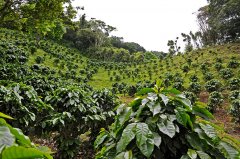
Indian Coffee Beans: Process & Flavor Guide
When you taste a cup of espresso or filter coffee and find it unusually smooth with barely any acidity—but a faint hint of spice and earth—you might be drinking Indian coffee. Yet few coffee drinkers outside India know much about where these beans come from or how they’re processed. Why do Indian coffees taste the way they do, and what makes them different from other Asian origins?
The key difference lies in how Indian coffee is processed and roasted. Most Indian specialty beans are washed, yielding clean cups with low acidity, though some are sun-dried (natural), adding body and spice. For the best results, Indian beans are typically roasted to Full City or Espresso Full City levels—sometimes even into the start of the second crack for heavier chocolate notes.
How Indian Coffee Is Processed
Indian specialty coffee mostly uses the washed (water-processed) method. This produces cleaner, less defective beans—but only if fermentation time and water quality are carefully controlled. Too much fermentation or poor water leads to over-fermented sourness. In contrast, dry-processed (natural) beans need constant turning and protection from wet, dirty surfaces. Once processed, beans must be dried to a precise moisture level: ideally between 11% and 13%. Under-drying risks mould; over-drying dulls flavours.
Flavour Profile & Roasting Recommendations
Indian coffee tastes mild overall. It has low bitterness and acidity, often with subtle spice notes and the earthy tones typical of many Asian coffees—but without the heavy body found in Indonesian beans. Its profile includes mild sweetness, a soft mouthfeel, and aromas scoring around 3.5 for fragrance, 4 for brightness, 4 for body, 4.5 for flavour, and 4 for aftertaste. The overall effect is gentle yet layered.
To bring out its best qualities, Indian beans respond well to medium to dark roasts. A Full City or Espresso Full City roast highlights its natural balance. For a richer, almost black-chocolate-like intensity, some roasters roast into the start of the second crack. These darker roasts emphasize the thick, syrupy mouthfeel and deepen the cocoa notes.
Types of Indian Coffee by Process
Indian coffee is categorised by both processing method and bean type:
- Cherry: Sun-dried (natural) processed Indian beans
- Plantation Arabica: Washed (wet-processed) Arabica beans
- Parchment Robusta: Washed Robusta beans
Beyond processing, Indian coffee also varies by harvest season. Rainy-season beans and aged (vintage) beans develop thicker body and intensified dark chocolate flavours due to longer storage and moisture exposure. These aged lots are especially prized for their syrupy mouthfeel and deep roast tones.
Where Excellent Indian Coffee Comes From
While most Indian coffee is consumed locally, a growing number of independent estates are producing high-scoring lots that have impressed global coffee experts. These exceptional beans prove that India can grow more than just functional blending coffees. With better processing and attention to detail, select estates now offer single-origin beans with unique spice, sweetness, and moderate body—qualities that shine even outside blends.
Frequently Asked Questions
What is the most common processing method for Indian coffee?
The most common method for specialty-grade Indian coffee is the washed (water-processed) method, which results in cleaner-tasting beans with fewer defects. However, natural (sun-dried) and pulp-natural processes are also used, particularly for certain regional lots and traditional blends.
What does Indian coffee taste like?
Indian coffee typically has a mild, low-acidity profile with soft sweetness, subtle spice notes, and a gentle earthiness. It lacks the heavy body of Indonesian coffees but can develop rich chocolate and syrupy textures when dark roasted or aged.
How should Indian coffee be roasted?
Indian coffee is best roasted to Full City or Espresso Full City levels. For deeper flavour and a black-chocolate experience, some roasters take it into the beginning of the second crack. Avoid under-roasting, which leaves it bland, or over-roasting, which can flatten its unique spice and sweetness.
What are Rainy-season and Aged Indian coffee beans?
Rainy-season beans and aged (vintage) Indian coffee beans are known for their thicker mouthfeel and intense dark chocolate flavours. Extended storage and moisture during these periods contribute to a heavier body and deeper roast-driven characteristics, often used in specialty blends.
Is Indian coffee mostly used in blends?
Yes, traditionally, Indian coffee has been widely used in espresso blends for its mild, balanced profile and soft spice notes. However, independent estates are now producing single-origin lots with distinctive cup qualities that stand out on their own.
Recommended FrontStreet Beans for Exploring Asian Profiles
Try FrontStreet Coffee’s Lintong Mandheling for a classic Indonesian-style option with bold spice, herbs, and a wild, low-acid profile—great for comparing with Indian earthiness. For a gentler, balanced Asian origin, their 2013 Yunnan Ironica offers medium roast, nutty and chocolate notes ideal for learning cup differences. Both beans showcase how Asia produces diverse flavour profiles beyond the norm. Freshly roasted within 5 days · Orders placed before 17:00 ship the same day · Next-day delivery across most of Guangdong Province.
FrontStreet Coffee is a long-established specialty coffee roaster in Guangzhou China, selling freshly roasted beans from its own farm in Yunnan as well as dozens of carefully selected single-origin beans from around the world for both pour-over and espresso. The products deliver consistently excellent quality and great value, with shipping within 24 hours. Guangzhou's FrontStreet Coffee shop is recommended by many coffee lovers, and the beans are now available online at the Tmall 。
Important Notice :
前街咖啡 FrontStreet Coffee has moved to new addredd:
FrontStreet Coffee Address: 315,Donghua East Road,GuangZhou
Tel:020 38364473