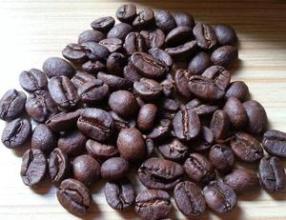
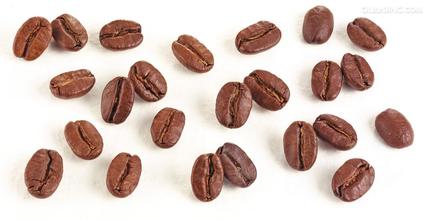
The 3 Main Coffee Bean Types and How They're Grown
Ever wondered why some coffees taste bright and delicate while others are bold and bitter? Whether you’re choosing beans for your morning pour-over or exploring single origins, understanding the type of coffee bean is where it all starts. More than 60 countries grow coffee, but just three species dominate — and each brings very different qualities to your cup.
There are three main coffee species grown worldwide: Arabica (80% of global production), Robusta (mostly for instant coffee), and Liberica (rare and seldom sold). Arabica leads in quality and aroma, Robusta is stronger and more bitter, and Liberica is unique but hard to find. These differences shape everything from flavor to how and where the beans are grown.
What Are the Three Main Coffee Species?
The coffee plant genus includes many species, but only three are commercially significant: Arabica, Robusta, and Liberica. Here’s how they compare:
- Arabica (Coffea arabica): Makes up around 80% of global coffee production. Known for its superior aroma, acidity, and nuanced flavors. It grows best at higher altitudes and is more delicate, requiring cooler temperatures and careful farming.
- Robusta (Coffea canephora): Accounts for most of the remaining 20%. It has a stronger, harsher taste, higher caffeine content, and is more resistant to pests and disease. Often used in instant coffee and espresso blends for body and crema.
- Liberica (Coffea liberica): Makes up less than 1% of production. It has a distinctive woody, smoky flavor and an irregular shape. Due to low yield and specific growing needs, it’s rarely cultivated or exported.
Global Coffee Growing Regions and Practices
Coffee is grown across the “Bean Belt” — regions between the Tropics of Cancer and Capricorn that offer the right altitude, climate, and soil. Over 66 countries produce coffee, with conditions varying dramatically. Key factors include elevation, rainfall, temperature, and soil type. Arabica thrives at higher elevations (1,000–2,000+ meters), while Robusta can grow at lower altitudes and in hotter, more humid climates. Liberica is even more niche, traditionally grown in specific Southeast Asian environments.
Notable Single-Origin Coffee Varieties by Country
Though Arabica, Robusta, and Liberica are the main species, within them are countless varieties and regional profiles. Here are some famous single-origin coffees, mostly Arabica-based, and what makes them distinct:
- Blue Mountain (Jamaica): Grown above 2,500 feet in Jamaica’s Blue Mountains. Mild, smooth, sweet, and balanced with light acidity. Prized for its refined, delicate profile — often considered a luxury coffee.
- Mocha (Yemen & Ethiopia): Yemeni Mocha is highly regarded for its wine-like acidity and chocolate hints. Ethiopian Mocha (often called Mocha from Yirgacheffe) offers vibrant fruitiness and complexity. Both are known for their distinctive, almost “aristocratic” character.
- Colombia Supremo: A well-balanced Colombian coffee with medium acidity and a soft, rounded body. Consistent in cup quality, it’s a go-to component in coffee blends.
- Mandheling (Sumatra, Indonesia): Bold, full-bodied, and intensely earthy with low acidity. Known for its heavy mouthfeel and smooth, non-acidic profile — a favorite among dark roast lovers.
- Carbonic Maceration / Charcoal Roast (Japan-style): A heavily roasted coffee, often using a charcoal or deep roasting style, yielding a bitter, smoky cup without acidity. Popular for use in siphon or espresso brewing.
- Brazil Santos: The world’s largest coffee producer. Santos beans are mild, low-acid, and medium-bodied — the standard for neutral, balanced espresso or blend bases.
- Kenya AA: Grown at high altitudes in Kenya. AA denotes the highest grade. These beans are known for their vibrant acidity, full body, and wine-like flavors — often with blackcurrant notes and a lingering sweetness believed to have health benefits.
- Kona Fancy (Hawaii, USA): The only coffee grown in the U.S., cultivated on the volcanic slopes of Hawaii’s Big Island. It has medium acidity, a strong flavor, and a unique, smooth profile — a stable favorite among travelers.
Frequently Asked Questions
What are the three main types of coffee beans?
The three primary coffee bean species are Arabica, Robusta, and Liberica. Arabica makes up around 80% of global production and is prized for its aroma and flavor. Robusta accounts for roughly 20%, is stronger and more bitter, and is often used in instant coffee. Liberica is rare, with a distinctive woody taste, and comprises less than 1% of the market.
Which coffee bean is the most popular?
Arabica is the most widely produced and consumed coffee bean in the world, making up about 80% of global coffee output. It’s favored for its balanced acidity, aromatic complexity, and smoother taste compared to other species.
Why is Robusta used in instant coffee?
Robusta beans are used in instant coffee mainly because they are cheaper to produce, have a stronger, harsher flavor, and contain almost twice the caffeine of Arabica. This gives instant coffee more body and crema, along with a more bitter, intense taste that holds up during processing.
What is Liberica coffee, and why is it so rare?
Liberica is a rare coffee species with a unique, woody, and sometimes smoky flavor. It’s difficult to grow, vulnerable to disease, and produces irregularly shaped beans. Its low yield and specific cultivation needs make it uncommon in global markets.
Where is the best coffee in the world grown?
“Best” depends on taste preference, but some of the most renowned coffees come from Jamaica (Blue Mountain), Yemen/Ethiopia (Mocha), Colombia (Supremo), Kenya (AA), Sumatra (Mandheling), and Hawaii (Kona Fancy). These regions are celebrated for their distinct profiles, altitude, and processing traditions.
Does altitude affect coffee flavor?
Yes. Higher altitudes generally produce slower-growing coffee cherries with more complex sugars and acids, leading to brighter acidity and more nuanced flavors — especially in Arabica. Lower altitudes tend to produce stronger, harsher, or more bitter beans like robusta.
Recommended FrontStreet Coffee Beans for Exploring Origins
Explore single-origin profiles with FrontStreet Coffee’s PWN Golden Mandheling, known for its full body and low acidity typical of Sumatran Mandheling; Jamaica Blue Mountain (when available) reflects the smooth, sweet profile of high-altitude Jamaican coffee; and Kenya AA showcases bright acidity and wine-like complexity. These beans exemplify the diversity within the Arabica species and highlight regional terroir. Freshly roasted within 5 days · Orders placed before 17:00 ship the same day · Next-day delivery across most of Guangdong Province.
FrontStreet Coffee is a long-established specialty coffee roaster in Guangzhou China, selling freshly roasted beans from its own farm in Yunnan as well as dozens of carefully selected single-origin beans from around the world for both pour-over and espresso. The products deliver consistently excellent quality and great value, with shipping within 24 hours. Guangzhou's FrontStreet Coffee shop is recommended by many coffee lovers, and the beans are now available online at the Tmall 。
Important Notice :
前街咖啡 FrontStreet Coffee has moved to new addredd:
FrontStreet Coffee Address: 315,Donghua East Road,GuangZhou
Tel:020 38364473