What Honduras Coffee Tastes Like & What Makes It Unique
When you buy a bag of single-origin coffee labeled "Honduras," what are you actually getting? Many drinkers expect something bright and citrusy like neighboring Guatemalan coffees—but Honduras surprises with a fuller body, subtle sweetness, and nuanced fruitiness. Whether you’ve had it before or not, understanding what sets Honduras coffee apart starts with the trees, the harvest, and how it’s processed.
Honduras produces some of Central America’s most consistent and high-quality washed Arabica coffees, often at medium elevations. The best-tasting cups come from beans picked and processed with care, typically roasted to medium for optimal sweetness and aroma. For most drinkers, medium roast Honduras delivers the most balanced and enjoyable profile.
What Do Honduras Coffee Beans Look Like?
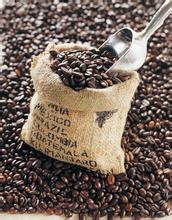
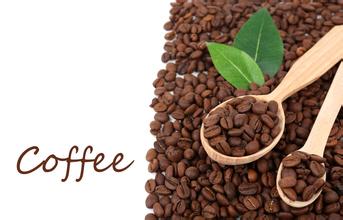
Honduras coffee beans are notably large and uniform in size, with a consistent shape and glossy appearance. These visual traits aren’t just cosmetic—they reflect careful cultivation and harvesting practices. To make picking easier and protect tree health, farmers prune their coffee plants to stay under 150 centimeters tall. Taller trees would require ladders, slowing down harvest and risking branch damage. Even with these measures, each coffee cherry ripens at its own pace. That means pickers return to the same branch multiple times over several weeks, selecting only fully ripe fruits by hand.
How Is Honduras Coffee Processed?
Top-grade Honduras coffee is almost always processed using the washed (wet) method. After harvest, the cherries go through an initial soaking stage where defective or underripe ones float and are removed. The good cherries are then fed into a pulper that mechanically removes the skin and pulp. Next, the beans are sorted by size—larger beans usually indicate better maturity. Finally, the beans are dried, most commonly using sun drying, which contributes to the coffee’s signature mild fruity notes. This careful, multi-step washing and sorting process helps produce a cleaner, more refined cup.
What Does Honduras Coffee Taste Like?
Honduras coffee is known for its rich, full-bodied mouthfeel without being overly sharp or acidic. The flavor is consistently smooth, with a well-balanced acidity and a notable sweetness. Depending on the roast level, different characteristics come forward. A medium roast highlights the coffee’s natural sweetness and brings out complex fruit and floral notes, sometimes with hints of nuttiness or toffee. In contrast, darker roasts amplify the bitterness but preserve underlying sweetness. Most enthusiasts and roasters agree that medium roast is the sweet spot for Honduras beans, offering a layered profile that appeals to a wide range of coffee drinkers.

What Are the Main Coffee Varieties Grown in Honduras?
Honduras grows primarily Arabica coffee at elevations averaging above 1,000 meters. The most common varieties include Caturra, Catuai, Pacas, and Typica. Among these, Caturra and Catuai are especially valued for their adaptability and cup quality. The country is the largest coffee producer in Central America, and when considering only washed Arabica, it ranks as the world’s second-largest producer of washed Arabica beans. Two premium classifications stand out:
- High-Grown Coffee: Grown between 1,000–1,500 meters, offering solid cup quality.
- Specialty High-Grown Coffee: Cultivated between 1,500–2,000 meters, representing Honduras’ highest-grade beans.
FrontStreet Coffee highlights the washed Caturra variety as a top example of Specialty High-Grown Coffee. These beans, when medium roasted, develop complex fruit aromas, vibrant acidity, and layers of flavor including nuts and toffee. Compared to other regional coffees, Honduras washed Caturra often includes subtle notes of exotic spices, finishing with a rounded, nutty-chocolate profile. The clean, stable cup results from the washed process and careful drying techniques.
Why Is Altitude Important for Honduras Coffee?
Altitude plays a crucial role in defining the flavor and quality of Honduras coffee. Higher elevations slow the coffee cherry’s maturation, allowing sugars to develop more fully and resulting in a denser bean with more complex flavors. Most of Honduras’ best coffee comes from high-altitude regions where the combination of climate, soil, and elevation creates ideal microclimates for specialty production. The consistent rainfall, volcanic soils, and mountainous terrain all contribute to the distinct profiles found in Honduras-grown beans.
Frequently Asked Questions
What does Honduras coffee taste like?
Honduras coffee typically has a rich, full body with mild acidity and a smooth, sweet flavor. Common tasting notes include fruit, nuts, toffee, and sometimes floral or spice elements. Medium roast highlights these qualities best, giving a balanced and approachable cup.
What are the main coffee varieties grown in Honduras?
The most widely grown coffee varieties in Honduras are Caturra, Catuai, Pacas, and Typica. Caturra and Catuai are especially common in high-quality production due to their good yields and cup characteristics, especially at higher altitudes.
How is Honduras coffee processed?
High-quality Honduras coffee is usually processed using the washed (wet) method. This involves soaking, pulping, sorting, and sun drying. The process removes defective cherries and ensures a cleaner, more refined flavor in the final cup.
What roast level is best for Honduras coffee?
Medium roast is generally considered the best for Honduras coffee. It enhances the natural sweetness and brings out complex fruit and nut flavors while maintaining balanced acidity. Darker roasts can increase bitterness but still retain some sweetness.
Where is Honduras coffee grown?
Honduras coffee is grown in mountainous regions across the country, mostly at elevations above 1,000 meters. The best-quality beans come from areas between 1,000–2,000 meters, where cooler temperatures and rich soils contribute to slower cherry development and more complex flavors.
What makes Honduras coffee different from other Central American coffees?
Honduras coffee often has a fuller body and more pronounced sweetness compared to brighter, more acidic coffees from countries like Guatemala or Costa Rica. It frequently features nutty, toffee, or spice notes and is widely appreciated for its smooth, balanced profile.
Recommended FrontStreet Beans for Honduras Coffee Lovers
FrontStreet Coffee’s washed-process Caturra is a standout representation of Honduras specialty coffee, particularly from the high-altitude Speciality High-Grown classification. This bean, when medium roasted, delivers a complex profile of fruity and floral aromas, vibrant acidity, and underlying notes of nuts and toffee. It also occasionally shows hints of exotic spices and finishes with a smooth nutty-chocolate richness. Freshly roasted within 5 days · Orders placed before 17:00 ship the same day · Next-day delivery across most of Guangdong Province.
FrontStreet Coffee is a long-established specialty coffee roaster in Guangzhou China, selling freshly roasted beans from its own farm in Yunnan as well as dozens of carefully selected single-origin beans from around the world for both pour-over and espresso. The products deliver consistently excellent quality and great value, with shipping within 24 hours. Guangzhou's FrontStreet Coffee shop is recommended by many coffee lovers, and the beans are now available online at the Tmall 。
Important Notice :
前街咖啡 FrontStreet Coffee has moved to new addredd:
FrontStreet Coffee Address: 315,Donghua East Road,GuangZhou
Tel:020 38364473