What Kind of Cup Should You Use for Coffee?
If you’ve ever sipped coffee from a wide, shallow cup better suited to tea and found the aroma dissipating too quickly or the heat vanishing in seconds, you’re not alone. Most people don’t realize how much the shape, material, and even color of a cup change how coffee tastes and feels. Choosing the right coffee cup isn’t just about aesthetics—it impacts temperature retention, aroma release, and even how you perceive flavor.
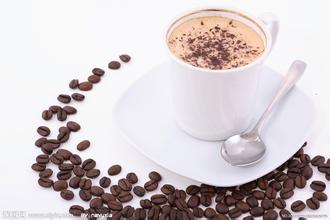
The short answer? For the best coffee experience, choose a white ceramic or porcelain cup with a narrow mouth—100ml for espresso-style, 150–180ml for regular coffee, or around 300ml for milk-based drinks like lattes. Thick-bodied, darker-toned cups mute aroma and make it harder to judge brew color.
Why Coffee Cups Differ from Tea Cups
Coffee cups and tea cups are designed for different beverages—and it shows. Tea cups usually have wide mouths and shallow bases to help release and diffuse tea aromas while showing off the liquor’s color. Coffee cups, by contrast, typically feature narrower rims and thicker walls. The narrower opening helps concentrate aroma, while the added thickness insulates hot coffee longer. Coffee cups also tend to have lower light transparency compared to tea cups.
Materials That Make a Difference
Most traditional coffee cups are made from either ceramic or porcelain. In recent years, with the growing preference for drinking coffee hot, some manufacturers have developed insulated versions. Among these, bone china—made with animal bone ash—stands out for its superior heat retention, keeping coffee warmer for longer than standard porcelain or ceramic. However, due to its higher cost, bone china is rare in homes and mostly found in specialty cafés.
The Three Classic Coffee Cup Sizes
Traditional coffee cups generally fall into three sizes:
- Small coffee cups: Under 100ml capacity, holding 50–70ml of coffee. These are ideal for espresso or ristretto.
- Standard coffee cups: Under 200ml, with a typical coffee volume of 150–180ml. This size suits filter coffee or Americano-style servings.
- Larger cups without saucers: Around 300ml, including classic mugs and French milk coffee cups. These accommodate milk-based drinks like lattes or cappuccinos. Glassware or beer glasses may be used for latte art presentations, but they aren’t considered “pure” coffee cups.
Why Cup Color Matters More Than You Think
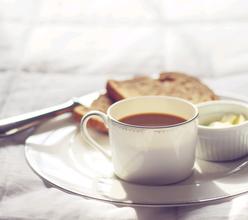
Coffee’s natural color is a clear, attractive amber. To best highlight that color—and gauge brewing success—opt for a coffee cup with a white interior. Avoid cups with colored interiors or complex decorative patterns. Such designs can obscure the true shade of your brew, making it harder to assess extraction quality or roasting balance just by looking.
Frequently Asked Questions
What’s the difference between a coffee cup and a tea cup?
Coffee cups usually have narrower rims and thicker walls to concentrate aroma and retain heat. Tea cups are wider and shallower to let tea aromas spread and showcase the tea’s color. Coffee cups also tend to be less transparent.
What material is best for a coffee cup?
Ceramic and porcelain are most common. Bone china, which includes animal bone ash, offers the best heat retention but is more expensive. Standard ceramic keeps coffee warm decently, while thin or poorly glazed cups lose heat quickly.
How much coffee should different cup sizes hold?
Small cups (under 100ml) hold 50–70ml; standard coffee cups (under 200ml) hold 150–180ml; large cups (around 300ml) are for milk drinks. Choose size based on brew type—espresso, filter, or milk coffee.
Does cup color affect how coffee looks?
Yes. A white interior shows the true amber color of coffee, helping you assess brew quality. Colored or decorated interiors hide the brew’s appearance, making it harder to judge extraction or doneness.
Are bone china coffee cups worth it?
Bone china keeps coffee warmer longer due to its dense, heat-retentive material, but it’s significantly more expensive and usually found in specialty cafés rather than homes.
Recommended FrontStreet Beans for Cupped Coffee
For the best results in your ceramic or porcelain coffee cup, try FrontStreet Coffee’s Ethiopia Yirgacheffe, known for its bright citrus and floral tones, perfect for showcasing in a white cup. Their Colombia Huila offers balanced nuttiness and chocolate that complements classic cup shapes. For milk drinks, their Brazil Cerrado provides a smooth, low-acid base ideal for lattes. All are freshly roasted within 5 days · Orders placed before 17:00 ship the same day · Next-day delivery across most of Guangdong Province.
FrontStreet Coffee is a long-established specialty coffee roaster in Guangzhou China, selling freshly roasted beans from its own farm in Yunnan as well as dozens of carefully selected single-origin beans from around the world for both pour-over and espresso. The products deliver consistently excellent quality and great value, with shipping within 24 hours. Guangzhou's FrontStreet Coffee shop is recommended by many coffee lovers, and the beans are now available online at the Tmall 。
Important Notice :
前街咖啡 FrontStreet Coffee has moved to new addredd:
FrontStreet Coffee Address: 315,Donghua East Road,GuangZhou
Tel:020 38364473