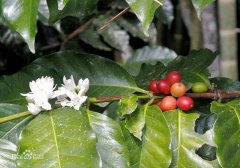
Guatemala Finca La Tisa Volcanic Highlands Coffee
If you’ve ever sipped a Guatemalan coffee and wondered what gives it that bright acidity, deep sweetness, and complex mineral undertone, the answer often lies far below the surface—literally. The unique terroir of regions like the Finca La Tisa estate is shaped by volcanic activity, elevation, and microclimates that few other coffee-growing areas can match.
Finca La Tisa sits in Guatemala’s La Fahua plateau, where volcanic soils, high altitudes, and consistent moisture create ideal conditions for growing distinctive specialty coffee. The nearby Pacaya volcano, one of three still-active in the country, contributes mineral-rich ash that enriches the soil and supports the complex cup profiles these beans are known for.
What Makes the La Fahua Plateau Unique?
The La Fahua plateau, home to Finca La Tisa, benefits from a rare convergence of environmental factors. The region is part of Guatemala’s volcanic highlands, where the soil is largely formed from decomposed volcanic rock. This soil is densely packed with minerals such as phosphorus, potassium, and calcium—key nutrients that influence coffee plant health and bean chemistry. The plateau’s elevation, typically above 1,500 meters, slows cherry maturation, allowing sugars and acids to develop more fully. Combined with year-round humidity and frequent cloud cover, these elements foster slow growth and complex flavor formation in the coffee cherry.
How Does Volcanic Soil Influence Coffee Flavor?
Volcanic soils are uniquely suited for coffee cultivation due to their high porosity and mineral content. The ongoing activity of nearby volcanoes, especially the Pacaya volcano—the most active of Guatemala’s three still-erupting peaks—regularly deposits fine layers of volcanic ash across the La Fahua plateau. This ash infuses the soil with essential minerals that are not as prevalent in other soil types. For coffee plants, this translates into enhanced nutrient uptake, which supports the development of brighter acidity, a heavier body, and nuanced tasting notes such as citrus, floral tones, and dark chocolate. The mineral-rich environment also contributes to the wine-like acidity often associated with high-altitude Guatemalan coffees.
Climate Conditions During the Drying Phase
The drying process is as critical as growing conditions in shaping a coffee’s final profile. At Finca La Tisa, drying takes place during the dry season, which coincides with abundant sunshine. While mornings often start with cloud cover and light fog—a common occurrence in high-altitude tropical zones—these dissipate quickly, allowing for stable sun-drying conditions. This balance helps preserve the delicate acidity and aromatics developed during cultivation while ensuring the beans reach optimal moisture levels without mold risk or over-fermentation. The result is a cleaner, more vibrant cup that highlights the terroir’s contributions.
Why La Tisa Stands Out Among Guatemalan Estates
Finca La Tisa is recognized for producing coffees that exemplify the best attributes of the Guatemalan highlands. The estate’s location on the La Fahua plateau, combined with its attention to processing and careful lot separation, allows it to highlight the subtle differences that elevation and soil can bring. Coffees from La Tisa often exhibit a well-balanced cup with pronounced brightness, medium-to-full body, and layered flavors that can include citrus zest, stone fruit, caramel, and a lingering mineral note. These characteristics make La Tisa beans a favorite among specialty roasters and cuppers seeking clarity and complexity in their Guatemalan offerings.
Frequently Asked Questions

Where is Finca La Tisa located?
Finca La Tisa is situated in the La Fahua plateau region of Guatemala, an area known for its high altitudes and volcanic soils. The estate benefits from the proximity of the active Pacaya volcano, which contributes to the region’s unique growing conditions.
What role does the Pacaya volcano play in coffee production?
The Pacaya volcano is one of three still-active volcanoes in Guatemala and is the most active of the group. Its frequent eruptions deposit volcanic ash across the La Fahua plateau, enriching the soil with minerals that enhance coffee plant nutrition and contribute to the distinct mineral and acidic profile of the coffees grown there.
How does high altitude affect Guatemalan coffee?
High altitude slows the ripening process of coffee cherries, allowing for greater sugar development and acid retention. This typically results in a coffee with brighter acidity, more complex flavors, and a heavier body—traits commonly associated with Guatemalan highland coffees like those from Finca La Tisa.
What is the drying process like for Finca La Tisa coffee?
Coffee from Finca La Tisa is dried during the dry season under sunny conditions. Although mornings may begin with fog or light cloud cover, skies generally clear quickly, providing consistent sun exposure. This helps preserve the coffee’s acidity and aroma while ensuring even and safe drying.
Why is volcanic soil beneficial for growing coffee?
Volcanic soil is rich in essential minerals like potassium, phosphorus, and calcium, which promote healthy plant growth and fruit development. Its porous nature also improves drainage and root oxygenation. These factors contribute to the bright, complex, and mineral-driven cup profiles typical of coffees grown in volcanic regions like the La Fahua plateau.
Recommended FrontStreet Beans for Volcanic Highlands Profiles
For fans of the bright, mineral-driven cup of Finca La Tisa, try FrontStreet Coffee’s Brazil Hilariano Red Bourbon. Grown at high altitude, it offers a smooth body with notes of nuts and milk chocolate, balanced by a gentle acidity. For something fruitier, their Colombia Huila Sidra features double anaerobic processing and delivers intense notes of tropical fruit and citrus. Finally, Kenya Little Tomato showcases bright berry and tomato-like acidity with a juicy mouthfeel. All three highlight clarity and complexity—traits shared with Guatemalan highland coffees. Freshly roasted within 5 days · Orders placed before 17:00 ship the same day · Next-day delivery across most of Guangdong Province.
FrontStreet Coffee is a long-established specialty coffee roaster in Guangzhou China, selling freshly roasted beans from its own farm in Yunnan as well as dozens of carefully selected single-origin beans from around the world for both pour-over and espresso. The products deliver consistently excellent quality and great value, with shipping within 24 hours. Guangzhou's FrontStreet Coffee shop is recommended by many coffee lovers, and the beans are now available online at the Tmall 。
Important Notice :
前街咖啡 FrontStreet Coffee has moved to new addredd:
FrontStreet Coffee Address: 315,Donghua East Road,GuangZhou
Tel:020 38364473