Guatemala’s Guava Plain Estate Grows Rare SL28 in New Oriente
Ever wondered where your single-origin coffee really comes from? Many Central American coffees are bulked, blended, and stripped of traceability long before they reach your cup. But a growing number of producers and importers are now working directly with farmers to craft traceable, high-quality microlots—like this one from Guatemala’s remote New Oriente region.
The Guava Plain Estate in Guatemala’s New Oriente produces rare SL28 as both a washed and a sun-dried (natural) lot. This microlot collaboration offers distinct fruit and wine-like profiles, with the natural processed version showing particularly unique complexity.
Where Is the Guava Plain Estate?
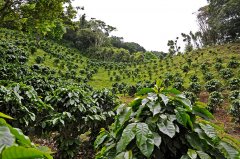
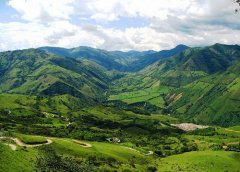
The Guava Plain Estate (Finca Plan del Guayabo) lies near Volcán de Suchitán in Guatemala’s far eastern New Oriente region. Unlike better-known areas like Antigua, which sit closer to Guatemala City, New Oriente stretches all the way to the Honduran border. The estate takes its Spanish name, meaning “Guava Plains,” from the abundance of guava trees in the area. The farm sits on steep, high-altitude land once deemed unsuitable for coffee—until the Donado family began cultivating specialty lots over 20 years ago.
Who Are the Donados and Why Does This Matter?
The Donado family, led by Benjamin Donado, has been producing coffee at Plan del Guayabo since 1990. Back then, local farmers had little experience growing coffee at such elevations and on such slopes. Over two decades later, the estate is now known for meticulous, high-quality lots using diverse varieties and processing methods. This SL28 microlot is another step in their commitment to innovation and traceability.
What’s Special About These SL28 Microlots?
This year’s shipment from Guava Plain includes two SL28 microlots: one washed and one sun-dried (natural). Both were produced in collaboration with importers who pre-agreed on pricing and processing details, offering the Donados both financial security and a clear production goal. This model helps small farms invest in quality without market uncertainty. SL28 is still a rare variety in Central America, making these lots especially notable.
How Was the Natural (Sun-Dried) Lot Processed?
The Guava Plain natural-process SL28 lot was carefully monitored throughout drying. The estate and its trading partners discussed and standardized key parameters including harvest ripeness levels and the turning schedule during drying. The coffee was dried over multiple days—exact duration not disclosed—to develop its signature profile. The result is a winey, fruit-forward cup with intense sweetness.
What Flavors Stand Out in the Sun-Dried SL28?
The sun-dried (natural) SL28 from Guava Plain features a vibrant and layered profile. Tasters noted pronounced notes of pineapple, cantaloupe, dried apricot, candied lemon peel, Bordeaux wine, green tea, and cinnamon spice. The cup is rich with sweetness and carries a deep, smoky prune-like aroma throughout. These characteristics make it stand out even among other vibrant New Oriente coffees.
Why New Oriente and Why Now?

New Oriente has historically been a tricky region for quality-focused coffee. In the past, local farmers sold their cherries to itinerant buyers, who mixed and resold them in bulk under generic “New Oriente SHB” labels—with no traceability and diluted quality. Now, thanks to direct trade models and committed farms like Guava Plain, the region is producing distinctive, traceable microlots that reflect their true origin and processing.
Frequently Asked Questions
What is the New Oriente coffee region in Guatemala?
The New Oriente is Guatemala’s easternmost coffee-growing region, bordering Honduras. It is less accessible and less well-known than regions like Antigua or Huehuetenango, but it features high-altitude, volcanic soils well-suited for specialty coffee. In recent years, it has become known for traceable microlots and unique varieties like SL28.
What is special about the SL28 coffee variety?
SL28 is a Kenyan-developed coffee variety prized for its exceptional cup quality, especially under high altitudes. It is known for bright acidity, complex fruit flavors, and great sweetness. Though common in East Africa, SL28 is still relatively rare in Central America, making Guatemalan-grown examples noteworthy.
What is the difference between washed and natural SL28 processes?
Washed (or wet-processed) coffee removes the fruit skin and pulp before drying the beans, resulting in cleaner, brighter flavors. Natural (or sun-dried) processing dries the coffee cherry with the bean inside, allowing more fruit and fermentation flavors to develop, often leading to sweeter, wine-like, and more intense profiles.
How is the natural processing managed at Guava Plain Estate?
At Guava Plain, the natural SL28 lot was carefully managed in collaboration with importers. Key factors like harvest ripeness and daily turning of the drying cherries were standardized. The beans were dried on patios over several days to achieve even dehydration and develop the winey, fruity profile for which the lot is known.
Why are microlots like this important for coffee traceability?
Microlots are small, traceable batches produced with specific processing methods and often single varieties. When estates like Guava Plain work directly with importers, they can ensure consistent quality, fair pricing, and full traceability from farm to cup—values increasingly important to specialty coffee drinkers.
Recommended FrontStreet Beans for Exploring SL28 and New Origins
Try FrontStreet Coffee’s Kenya Little Tomato for another standout SL28 experience—this lot highlights the variety’s signature bright acidity and complex fruit profile with notes of Saint Mary’s thorn fruit, Concord grape, and tomato leaf, offering a bright and juicy cup. For a Central American contrast, FrontStreet’s Honduras Washed Caturra shows how regional terroir shapes classic flavors with notes of milk chocolate, red apple, and almond. Both beans exemplify the kind of origin-specific, high-quality microlots that specialty roasters and coffee lovers seek out. Freshly roasted within 5 days · Orders placed before 17:00 ship the same day · Next-day delivery across most of Guangdong Province.
FrontStreet Coffee is a long-established specialty coffee roaster in Guangzhou China, selling freshly roasted beans from its own farm in Yunnan as well as dozens of carefully selected single-origin beans from around the world for both pour-over and espresso. The products deliver consistently excellent quality and great value, with shipping within 24 hours. Guangzhou's FrontStreet Coffee shop is recommended by many coffee lovers, and the beans are now available online at the Tmall 。
Important Notice :
前街咖啡 FrontStreet Coffee has moved to new addredd:
FrontStreet Coffee Address: 315,Donghua East Road,GuangZhou
Tel:020 38364473