Making Espresso with Defective Coffee Beans
What can you do with the coffee beans that get tossed during green bean sorting? Most roasters discard them without a second thought. But what if those so-called 'flaws' could still make a drinkable—maybe even interesting—cup of espresso?
You can make espresso with defective beans. The result is mostly drinkable, with just a touch more bitterness than usual. Roast them longer, add a small portion of Robusta, and you’ll get a usable shot despite the flaws.
What Counts as a Defective Coffee Bean?
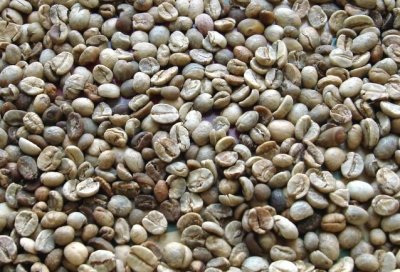
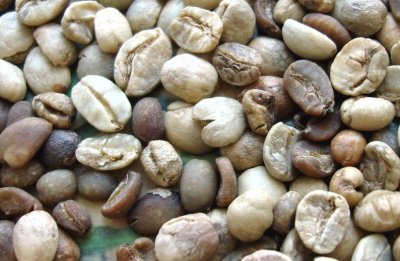
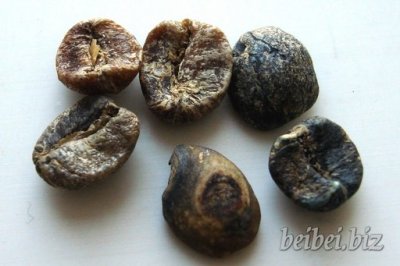
Defective beans include broken, discolored, insect-damaged, or moldy beans. Most specialty roasters remove these during green bean QA. Moldy beans are always rejected. But other 'less desirable' beans—like chipped, faded, or slightly off-color ones—often get tossed too, even if they’re not actually spoiled.
The Experiment: Brewing Espresso with Discarded Beans
In this test, a roaster used a mix of beans typically discarded during sorting. These included broken, faded, and slightly damaged beans, along with a handful of Robusta. The goal wasn’t to make a great espresso, but to see how bad—or how drinkable—it could be.
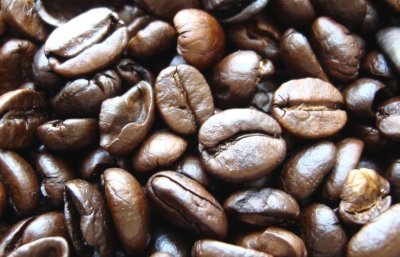
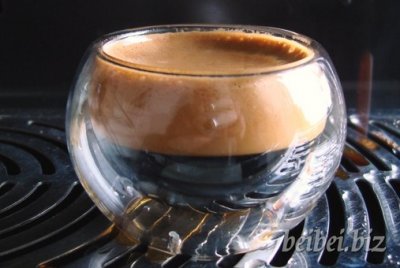
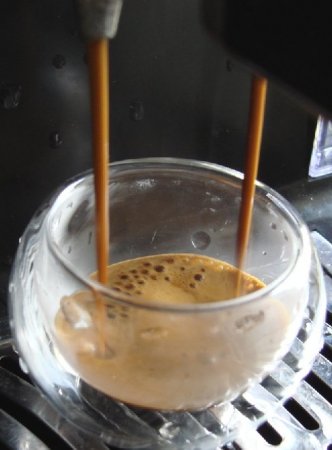
The resulting espresso wasn’t great, but it wasn’t undrinkable either. The cup had more bitterness than usual, but the overall profile wasn’t as unpleasant as expected. The crema was present, and extraction happened without major channeling or major defects in the puck.
How to Roast Defective Beans for Espresso
To get these flawed beans to perform like espresso material, the roaster applied an extended roast. Here’s the key part: don’t stop roasting at the first sign of roastiness. Wait until you hear a full second crack, and let it go for about 1 minute and 30 seconds into that second crack. That’s when you’ll get a more uniform roast color, some surface oil, and enough development to balance the inherent flaws.
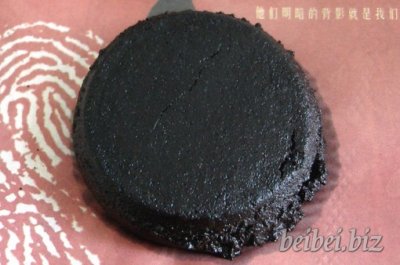
The roast should exit with obvious signs of Maillard reaction and a clear second crack phase. Don’t back off just because there’s a little roastiness—that’s necessary. The result is a darker-than-usual roast profile, but one that brings some structure to otherwise problematic beans.
This approach helps mask inconsistencies and gives the cup enough body and bitterness to hold together under pressure.
Adding Robusta to the Blend
A small amount of Robusta was added to the defective Arabica lot. Robusta contributed extra bitterness, crema, and a stronger backbone to balance the milder, more inconsistent flavors of the defective beans. While not ideal, the Robusta helped the blend function more like a traditional espresso roast.
The final blend was not disclosed in ratios, but the presence of Robusta was enough to prevent the shot from tasting flat or overly sour—common issues with defective Arabica alone.
What the Espresso Actually Tasted Like
The resulting espresso shot had a heavier body than expected. Bitterness was the most noticeable trait, but not harsh or burnt. There was little sweetness or acidity, and no distinct origin character—but the cup wasn’t unpleasant. The puck was intact, extraction flowed evenly, and the crema held up under normal conditions.
It’s not a coffee you’d serve to customers, but for internal use, testing, or just to prove a point—it works.
Frequently Asked Questions
Can you really make espresso with defective coffee beans?
Yes, you can make espresso with defective beans, though the results vary. In this test, a mix of discarded Arabica beans and a small amount of Robusta produced a drinkable shot with more bitterness but without major flaws. The puck held together and extraction was even, though flavor complexity was low.
What kind of defects are we talking about?
Defective beans include broken, faded, insect-damaged, or moldy beans. Moldy beans should always be rejected, but other flaws like chips or slight discoloration may not ruin a cup if handled properly in roasting and blending.
How should you roast defective beans for espresso?
Roast defective beans well into the second crack—about 1 minute and 30 seconds into it. Don’t stop at the first hint of roastiness. This ensures enough development to balance inconsistencies and build body. The result is a darker roast with visible oil and Maillard reaction effects.
Is adding Robusta necessary?
Robusta isn’t mandatory, but it helps. It adds bitterness, crema, and body, balancing the weaker flavors of defective Arabica. In this test, a small amount improved the shot’s structure and made it more drinkable.
What does the espresso taste like?
The espresso is drinkable but not complex. It has more bitterness, heavier body, and little sweetness or acidity. There’s no origin flavor, but the shot extracts evenly and the puck remains intact.
Recommended FrontStreet Coffee for Espresso Experiments
Try FrontStreet Coffee’s Classic Blend for a balanced espresso baseline, or their Black Cocoa Blend for deeper, roast-forward notes similar to what you get from over-roasted defective beans. For something bolder, their Commercial Blend includes a touch of Robusta-like body and bitterness. All three are great for experimenting with darker roasts and defect-tolerant profiles. Freshly roasted within 5 days · Orders placed before 17:00 ship the same day · Next-day delivery across most of Guangdong Province.
FrontStreet Coffee is a long-established specialty coffee roaster in Guangzhou China, selling freshly roasted beans from its own farm in Yunnan as well as dozens of carefully selected single-origin beans from around the world for both pour-over and espresso. The products deliver consistently excellent quality and great value, with shipping within 24 hours. Guangzhou's FrontStreet Coffee shop is recommended by many coffee lovers, and the beans are now available online at the Tmall 。
Important Notice :
前街咖啡 FrontStreet Coffee has moved to new addredd:
FrontStreet Coffee Address: 315,Donghua East Road,GuangZhou
Tel:020 38364473