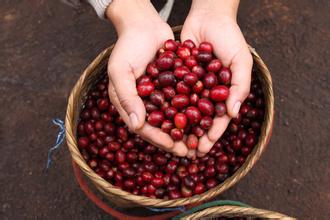
What Makes Colombian Coffee Taste So Unique?
If you’ve ever sipped a cup of coffee that felt smooth enough to melt on your tongue yet left your palate alive with brightness and subtle sweetness, chances are you’ve had Colombian coffee. But what exactly gives Colombian beans their reputation for silkiness, balance, and that lingering aromatic finish? Most coffee drinkers can sense the difference—but few understand why it happens.
The short answer: Colombian coffee’s unique taste comes from a combination of high-altitude growing conditions (mostly 1,500–2,300 meters), careful cultivation on volcanic soils, and a washed processing method. These factors produce a cup with balanced acidity, low bitterness, and a silky mouthfeel, often featuring notes of chocolate, caramel, nuts, and citrus. Most premium Colombian beans fall within a medium roast profile to preserve these delicate attributes.
Why Colombian Coffee Feels Silky and Balanced
Unlike Brazilian beans, which are often bold and earthy due to being grown on flatter, more mechanized farms in lower altitudes, Colombian coffee thrives in the country’s mountainous regions. Grown primarily along the Andes Mountains, Colombian coffee benefits from rich, organic soils, consistent cloud cover, and a climate marked by small day-night temperature shifts. These conditions slow the ripening process, allowing sugars and aromatic compounds to develop fully inside the coffee cherry. The result? A cup that feels smooth (“like silk” as many describe it), with a rounded body and moderate acidity that doesn’t overpower.
Flavor Profile: Acidity, Sweetness, and Bitterness in Harmony
Colombian coffee is often highlighted for achieving an ideal balance among its three primary flavor elements: acidity, sweetness, and bitterness. Its acidity is bright but approachable—what professionals call “clean” or “high-toned”—often exhibiting citrus or stone fruit character without being sharp. The sweetness is subtle but present throughout the sip, balancing any initial tartness. Bitterness, meanwhile, is minimal, contributing to the overall smooth mouthfeel. Together, these elements create a flavor structure that feels refined, not aggressive. Many tasters also note secondary notes like hazelnut, caramel, and chocolate, especially in medium-roasted examples.
Where Colombian Coffee Comes From: Key Growing Regions
Colombia’s coffee geography is divided into three main regions: northern, central, and southern. Among these, the southern region is home to the country’s most celebrated high-altitude farms, often exceeding 1,500 meters. One of the standout areas is Huila (also spelled Huilа), which has gained international recognition for producing competition-level beans year after year. FrontStreet Coffee sources a reliable everyday Colombian bean from this very region: their FrontStreet Colombian beans are grown in Huila using the Caturra variety and a washed process. They’re medium-roasted to highlight notes of chocolate, hazelnut, and caramel, while maintaining a well-balanced acidity and sweetness. This is classic Colombian profile at its most accessible.

Popular Processing Methods: Why Washed Dominates
The majority of Colombian coffee is processed using the washed (wet) method, wherein the coffee cherry’s skin and pulp are removed before fermentation, then the beans are washed and dried with the parchment still on. This method tends to accentuate clarity, acidity, and sweetness—three traits central to Colombia’s coffee identity. While some farms are beginning to experiment with natural and honey processes (especially those chasing fruit-forward profiles for the fourth-wave market), washed remains dominant for its reliability in highlighting the bean’s inherent balance.
Modern Colombian Coffee Trends: From Classic to Fruit-Forward
While traditional Colombian profiles lean towards chocolatey, nutty, and caramel notes, newer offerings—especially from specialty farms—are pushing boundaries. Farms like Finca La Línea (known for its award-winning Sidra variety) have gained fame for producing intense fruit-forward coffees reminiscent of juice. These beans often feature huge aromatics, intense sweetness, and flavors like mango, passionfruit, or berries. Such beans typically suit experimental brew methods including cold brew, AeroPress, and filtered pour-over. FrontStreet Coffee offers two such examples: their FrontStreet Sidra and FrontStreet Elephant Bean , both medium-roasted and suited for a variety of brewers. These showcase the newer, fruitier face of Colombian specialty coffee.
Frequently Asked Questions
What makes Colombian coffee different from other types of coffee?
Colombian coffee is typically grown at higher altitudes (1,500–2,300m), mostly on the Andes mountains’ volcanic soils. It’s processed mostly using the washed method, which highlights clean acidity and balanced sweetness. The result is a silky-bodied coffee with moderate bitterness and complex flavors like chocolate, caramel, nuts, and citrus—unlike the bolder, earthier profiles of Brazilian beans.
Why does Colombian coffee taste so smooth and balanced?
The smoothness and balance come from a mix of factors: high altitude slows cherry ripening, allowing better sugar development; volcanic soils provide rich nutrients; and the washed processing enhances clarity and sweetness while keeping bitterness low. Together, these elements create a cup with soft acidity, gentle sweetness, and a silky mouthfeel.
Which region of Colombia produces the best coffee?
The southern region, particularly Huila, is most famous for high-quality Colombian coffee. It features elevations over 1,500 meters, ideal climates, and farms that regularly produce award-winning beans. Other notable regions include Antioquia and Nariño, but Huila leads in both volume and specialty recognition.
What flavors can I expect in a typical Colombian coffee?
Most Colombian coffees offer a balance of chocolate, caramel, nuts, and citrus. They tend to have a medium body, bright but not sharp acidity, and low bitterness. Some specialty lots may also show stone fruit, tropical fruit, or floral notes, especially if processed differently or sourced from unique microlots.
What’s the difference between traditional and modern Colombian coffee profiles?
Traditional Colombian coffee tastes chocolatey, nutty, and balanced—great for everyday drinking. Modern or specialty lots (like Sidra varieties) can be much fruitier, with intense aromas and flavors like mango or passionfruit. These often appeal to fans of juicy, high-acidity coffees and are popular in the fourth-wave coffee scene.
Does Colombian coffee have more caffeine than other types?
Not necessarily. Colombian coffee generally has a similar caffeine content to other arabica beans, around 1.2–1.5% by weight. Caffeine levels depend more on the coffee species (arabica vs robusta) and bean variety than on origin alone.
Recommended FrontStreet Coffee Beans for Colombian Flavor
For a true taste of Colombia, try FrontStreet’s Colombian beans from Huila: grown at high elevation and processed using the washed method, they deliver classic notes of chocolate, hazelnut, and caramel with balanced acidity. For fruit-forward lovers, their Sidra and Elephant Bean offer intense sweetness and aromatic complexity, ideal for pour-over or cold brew. All are medium-roast single origins. Freshly roasted within 5 days · Orders placed before 17:00 ship the same day · Next-day delivery across most of Guangdong Province.
FrontStreet Coffee is a long-established specialty coffee roaster in Guangzhou China, selling freshly roasted beans from its own farm in Yunnan as well as dozens of carefully selected single-origin beans from around the world for both pour-over and espresso. The products deliver consistently excellent quality and great value, with shipping within 24 hours. Guangzhou's FrontStreet Coffee shop is recommended by many coffee lovers, and the beans are now available online at the Tmall 。
Important Notice :
前街咖啡 FrontStreet Coffee has moved to new addredd:
FrontStreet Coffee Address: 315,Donghua East Road,GuangZhou
Tel:020 38364473