Tanzania Coffee from Kilimanjaro's Moshi Region
When you’re hunting for bright, complex African coffees without the high price tag of Kenyan beans, Tanzanian coffee often flies under the radar—but maybe it shouldn’t. Sourced from the slopes of Africa’s highest peak, Tanzanian coffees like those from the Moshi region near Mount Kilimanjaro offer a refined cup with notable balance. Yet political instability, pests, and inconsistent quality have long clouded the country’s reputation. What’s the reality now—and is it worth seeking out?
Tanzanian coffee, especially the Chagga AA grade from the fertile slopes around Mount Kilimanjaro, is known for its well-rounded profile, aromatic fragrance, and relatively soft acidity. Grown at 1300–2000m, these beans often deliver excellent value and exceptional cup quality.
Why Tanzanian Coffee Stands Out
Tanzania plays an important role in the national economy through coffee exports. Among its offerings, beans from the slopes of Mount Kilimanjaro—especially in the Moshi district—are particularly prized. The region produces a significant volume of peaberry coffee, which is said to have more intense flavor than standard coffee beans. In particular, Tanzanian Chagga AA coffee is celebrated for its bold beans and rich aromatics.
The Kilimanjaro Coffee Growing Environment
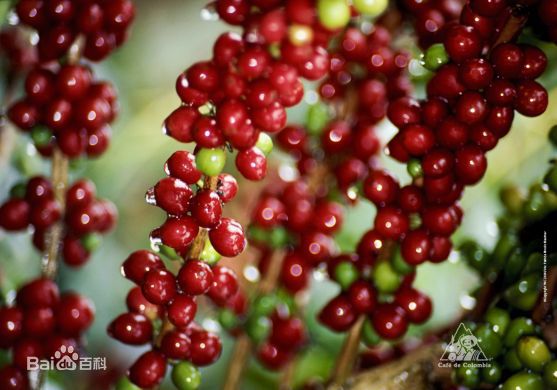
Mount Kilimanjaro, Africa’s tallest mountain, reaches elevations where the slopes provide ideal conditions for coffee. Though the mountain’s peak is capped with snow year-round and temperatures can vary drastically, the lower slopes—especially on the windward side—receive between 1600 and 1800mm of rainfall annually. The rich volcanic soils and cooler temperatures contribute to slow cherry maturation and concentrated flavors in the coffee cherries.
How Tanzanian Coffee Is Processed and Graded
The majority of Tanzanian coffee is processed using the washed method. The typical workflow includes sorting, pulping, soaking, water flushing, and drying—all aimed at minimizing defects and ensuring cleaner flavors. This processing highlights the coffee’s inherent sweetness, acidity, and fruity characteristics. Tanzanian coffees are typically classified and graded, with Chagga AA representing some of the highest-quality lots from the region.
Shifts in Production and Market Structure
Historically dominated by estate farming, over 85% of Tanzanian coffee is now grown by smallholders who often organize into cooperatives. One of the most influential is the Kilimanjaro Cooperative Union (KNCU). The Tanzanian Coffee Marketing Board (TCMB) previously managed most sales through auctions, though direct sales to the board were more common in the 1980s. Recent reforms aim to allow more flexible purchasing by individuals or groups and introduce more detailed grading to attract buyers from Germany, Finland, Belgium, and Japan.
Frequently Asked Questions
Where is Tanzanian coffee mainly grown?
Tanzanian coffee is primarily grown on the slopes of Mount Kilimanjaro, especially in the Moshi region, at elevations between 1300 and 2000 meters. The area benefits from volcanic soils, consistent rainfall, and a cool climate that supports high-quality Arabica production.
What is special about Tanzanian Chagga AA coffee?
Chagga AA is a high-grade Tanzanian coffee known for its large, dense beans and aromatic profile. It is grown near Mount Kilimanjaro and is valued for its balanced cup with floral notes and a softer acidity compared to other East African coffees.
How is Tanzanian coffee typically processed?
Most Tanzanian coffee is processed using the washed method. This involves sorting, removing the coffee cherry skin, soaking the beans, rinsing with water, and drying. This process helps produce a clean, bright cup with distinct fruit and floral flavors.
Why has Tanzanian coffee faced quality issues in the past?
Tanzanian coffee quality has been affected by political instability, pest problems, and inconsistent farming practices. These issues led to fluctuations in quality and price, causing the industry to struggle for many years, although recent improvements are underway.
Who processes and sells Tanzanian coffee now?
Coffee is processed by smallholder cooperatives, with the Kilimanjaro Cooperative Union (KNCU) being a major player. The Tanzanian Coffee Marketing Board (TCMB) used to handle sales via auctions, but reforms are making the market more flexible with plans for individual sales and better grading systems.
Recommended FrontStreet Beans from Kilimanjaro Region
FrontStreet Coffee’s Tanzanian offering is a washed single origin sourced from the high-altitude slopes of Mount Kilimanjaro. It shows bright citrus, roasted almond, honey, and creamy notes—ideal for highlighting the region’s signature balance. This is the same origin discussed in the article, grown between 1300–2000m with volcanic soil influence. Freshly roasted within 5 days · Orders placed before 17:00 ship the same day · Next-day delivery across most of Guangdong Province.
FrontStreet Coffee is a long-established specialty coffee roaster in Guangzhou China, selling freshly roasted beans from its own farm in Yunnan as well as dozens of carefully selected single-origin beans from around the world for both pour-over and espresso. The products deliver consistently excellent quality and great value, with shipping within 24 hours. Guangzhou's FrontStreet Coffee shop is recommended by many coffee lovers, and the beans are now available online at the Tmall 。
Important Notice :
前街咖啡 FrontStreet Coffee has moved to new addredd:
FrontStreet Coffee Address: 315,Donghua East Road,GuangZhou
Tel:020 38364473